Parvesh Verma Responds to Kejriwal’s ‘Who Are You’ Remark
NewsParvesh Verma Responds to Kejriwal's 'Who Are You' Remark
BJP Leader Parvesh Verma Hits Back at Kejriwal's Taunt in Political Clash
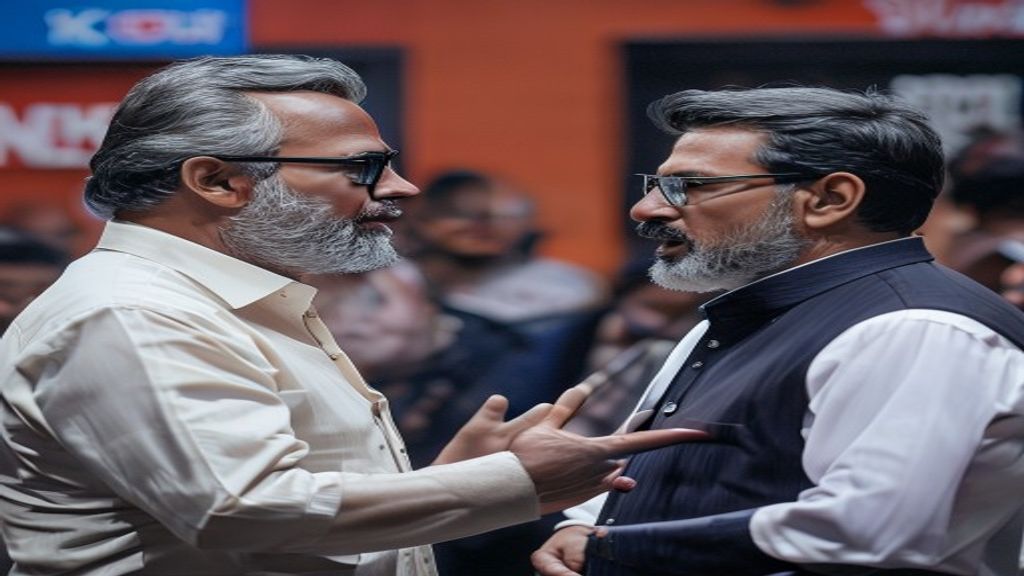
Parvesh Verma, a prominent BJP leader, has made headlines with his sharp response to Delhi Chief Minister Arvind Kejriwal's recent jab, "Who are you?" This verbal exchange unfolded after Kejriwal's remarks during a public event, where he seemingly dismissed Verma's political significance. The incident highlights the ongoing tensions between the BJP and AAP, particularly following Verma's notable victory over Kejriwal in the 2025 Assembly elections.
In a pointed retort, Verma questioned Kejriwal's memory, asking, "Do you even remember me or not?" This statement not only underscores Verma's political stature but also serves as a reminder of his past electoral success against Kejriwal. The exchange has sparked discussions among political analysts and supporters alike, showcasing the fierce rivalry between the two leaders.
The Context of the Verbal Clash
The backdrop of this confrontation lies in the intense political landscape of Delhi. Kejriwal, known for his sharp rhetoric, often targets opposition leaders to assert his dominance. However, Verma's emergence as a formidable opponent has shifted the dynamics. His victory in the 2025 Assembly polls marked a significant turning point, positioning him as a key player in Delhi politics.
Furthermore, Verma's response reflects a broader trend among BJP leaders to challenge AAP's narrative. The BJP aims to capitalize on any perceived weaknesses in Kejriwal's leadership. As a result, this exchange is not merely personal; it symbolizes the ongoing battle for political supremacy in the capital.
Rekha Gupta's Counterattack
In addition to Verma's remarks, BJP leader Rekha Gupta also weighed in on the situation. Gupta launched a fierce counterattack against Kejriwal, criticizing his dismissive attitude towards opposition figures. She emphasized the importance of recognizing all political leaders, regardless of their party affiliation. Gupta's comments further illustrate the BJP's strategy to unify its ranks against AAP's perceived arrogance.
Moreover, Gupta's intervention highlights the collective effort within the BJP to challenge Kejriwal's authority. By rallying support from fellow party members, the BJP aims to present a united front against AAP's governance. This solidarity is crucial as the party prepares for upcoming elections, where every remark and response can influence voter sentiment.
The Impact of Social Media
The exchange between Verma and Kejriwal has also gained traction on social media platforms. Users have taken to Twitter and Facebook to express their opinions, with many supporting Verma's stance. This digital engagement amplifies the significance of their verbal sparring, as it reaches a wider audience beyond traditional media.
Furthermore, social media serves as a battleground for political narratives. Supporters of both leaders are quick to share memes, videos, and commentary, shaping public perception. As a result, the impact of this exchange extends beyond the immediate political arena, influencing how voters view both parties.
Future Implications for Delhi Politics
Looking ahead, the implications of this verbal clash could be significant for both Verma and Kejriwal. For Verma, maintaining a strong public presence is essential as he seeks to solidify his position within the BJP. His ability to effectively counter Kejriwal's remarks may enhance his reputation among party supporters.
On the other hand, Kejriwal's dismissive comments could backfire if they are perceived as arrogance. Voter sentiment may shift if constituents feel that their leaders are not engaging with opposition voices. Therefore, both leaders must navigate this political landscape carefully, as their words could shape the future of Delhi politics.
The Role of Leadership in Political Rivalries
Leadership plays a crucial role in shaping political rivalries. Verma's assertive response to Kejriwal demonstrates a proactive approach to political engagement. By challenging Kejriwal directly, Verma positions himself as a leader who is unafraid to confront authority.
In contrast, Kejriwal's approach may reflect a strategy to maintain his image as a dominant figure in Delhi politics. However, this strategy could alienate potential supporters who value respectful discourse. As political dynamics evolve, the effectiveness of each leader's approach will be tested in the court of public opinion.
Conclusion of the Political Exchange
The exchange between Parvesh Verma and Arvind Kejriwal encapsulates the fierce competition in Delhi's political arena. As both leaders continue to navigate their rivalry, the impact of their words will resonate with voters. The ongoing dialogue between them not only reflects their personal ambitions but also highlights the broader political landscape in which they operate.
Source: News Feed

