Supreme Court Ruling: Who Will Reclaim Our Footpaths Now?
NewsSupreme Court Ruling: Who Will Reclaim Our Footpaths Now?
Supreme Court's recent decision raises questions about public access to footpaths and pedestrian rights.
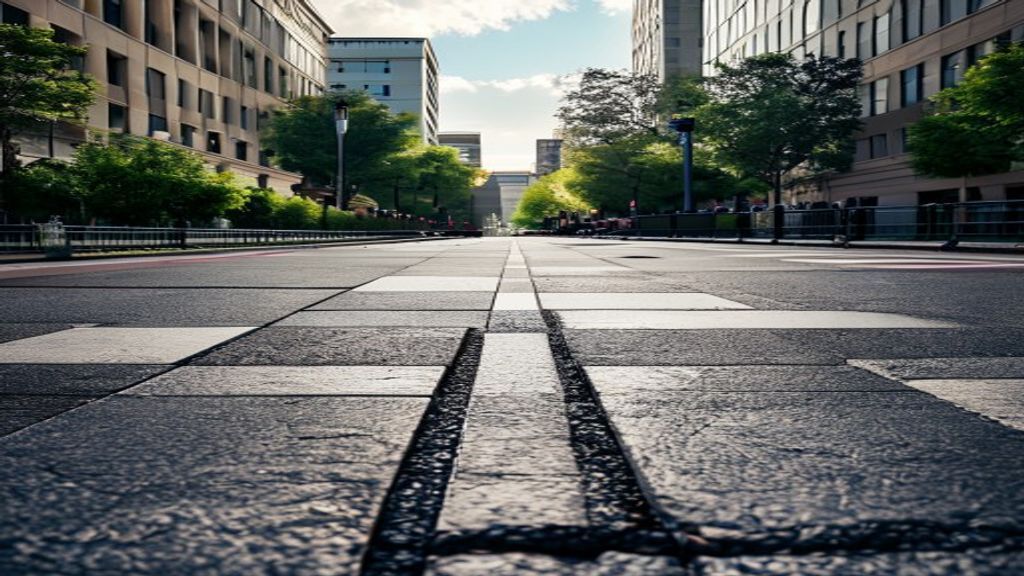
The recent Supreme Court ruling has sparked a significant debate about the right to reclaim footpaths across urban areas. This landmark decision, announced on October 15, 2023, emphasizes the importance of pedestrian access and public spaces. As cities grapple with the implications, many are left wondering who will take the initiative to reclaim footpaths for public use.
Understanding the Supreme Court Ruling
The Supreme Court's ruling addresses longstanding issues regarding pedestrian rights and the use of footpaths. The court found that local governments must prioritize public access to these essential pathways. This decision comes in response to increasing complaints about encroachments and the privatization of public spaces.
Furthermore, the ruling mandates that municipalities develop clear policies to ensure footpaths remain accessible. This includes removing obstacles and enforcing regulations against illegal encroachments. As a result, cities must now reassess their approach to urban planning and pedestrian infrastructure.
The Importance of Reclaiming Footpaths
Reclaiming footpaths is crucial for enhancing urban mobility and safety. Footpaths serve as vital links for pedestrians, connecting neighborhoods and facilitating access to public transport. However, many cities have seen these pathways obstructed by vehicles, street vendors, and construction activities.
In addition, reclaiming footpaths can significantly improve the quality of life in urban areas. Wider and unobstructed footpaths encourage walking, reduce traffic congestion, and promote healthier lifestyles. As cities work to reclaim footpaths, they must also consider the needs of all pedestrians, including those with disabilities.
Challenges in Reclaiming Footpaths
Despite the Supreme Court's ruling, several challenges remain in reclaiming footpaths effectively. Local governments often face resistance from businesses and residents who may rely on footpath space for various activities. This pushback can complicate efforts to enforce the ruling and reclaim public access.
Moreover, funding and resources for urban infrastructure projects are often limited. Cities must prioritize footpath reclamation while balancing other pressing needs, such as road maintenance and public transport improvements. As a result, collaboration between government agencies, community organizations, and citizens is essential for successful implementation.
Community Involvement in Reclaiming Footpaths
Community involvement plays a vital role in the effort to reclaim footpaths. Local residents can advocate for their rights and push for changes that enhance pedestrian access. Grassroots movements have proven effective in raising awareness and mobilizing support for reclaiming footpaths.
Furthermore, community engagement can lead to innovative solutions for footpath design and usage. By involving residents in the planning process, cities can create footpaths that meet the needs of all users. This collaborative approach fosters a sense of ownership and responsibility among community members.
Future of Footpaths Post-Ruling
Looking ahead, the future of footpaths will depend on how effectively cities implement the Supreme Court's ruling. Local governments must act swiftly to develop policies that prioritize pedestrian access. This includes conducting audits of existing footpaths and identifying areas that require immediate attention.
In addition, cities should explore partnerships with non-profit organizations and advocacy groups to enhance footpath reclamation efforts. By leveraging community resources and expertise, municipalities can create a more pedestrian-friendly environment. The goal is to ensure that footpaths serve their intended purpose as safe and accessible routes for all.
Conclusion: A Call to Action
The Supreme Court's ruling presents a unique opportunity for cities to reclaim footpaths and enhance pedestrian rights. However, this requires a concerted effort from local governments, communities, and advocacy groups. As cities move forward, it is crucial to prioritize public access and ensure that footpaths remain a vital part of urban infrastructure. By working together, we can reclaim footpaths and create safer, more accessible environments for everyone.
Source: