Nehru’s Promise: Addressing Dalai Lama’s Concerns with Zhou Enla
NewsNehru's Promise: Addressing Dalai Lama's Concerns with Zhou Enlai
How Nehru upheld his commitment to the Dalai Lama in 1959 amidst rising tensions.
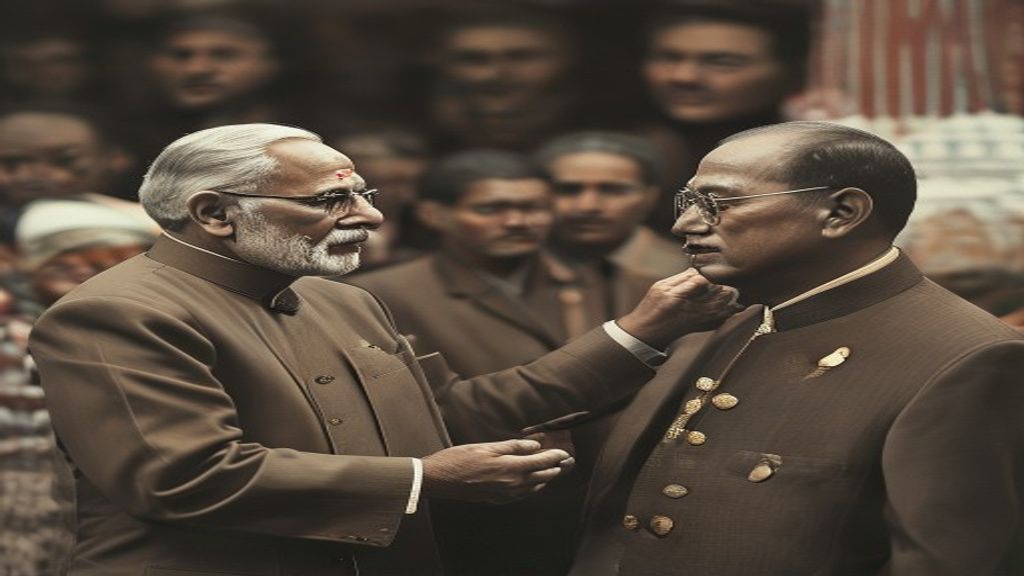
In 1959, Indian Prime Minister Jawaharlal Nehru took significant steps to address the concerns of the Dalai Lama regarding China's actions in Tibet. This pivotal moment occurred during a time of escalating tensions between India and China, particularly after the Dalai Lama fled to India seeking asylum. Nehru's commitment to the Dalai Lama's concerns highlighted India's diplomatic stance and its role in the region.
Nehru's Diplomatic Engagement with the Dalai Lama
Nehru's approach to the Dalai Lama's concerns was rooted in a desire to maintain peace and stability in the region. He recognized the importance of addressing the Tibetan leader's fears about Chinese policies. The Dalai Lama's flight to India marked a turning point in Indo-Tibetan relations, prompting Nehru to take action. He believed that supporting the Dalai Lama would not only protect Tibetan autonomy but also strengthen India's position in the region.
Furthermore, Nehru's engagement with the Dalai Lama was not merely symbolic. He actively sought to raise these concerns with Chinese Premier Zhou Enlai. This diplomatic effort aimed to foster dialogue and reduce tensions between India and China. Nehru's willingness to confront these issues head-on demonstrated his commitment to both the Dalai Lama and the principles of non-violence and diplomacy.
The Context of the 1959 Tibetan Uprising
The backdrop of the 1959 Tibetan uprising significantly influenced Nehru's actions. As tensions escalated in Tibet, the Dalai Lama's concerns grew more urgent. The uprising against Chinese rule led to widespread unrest, prompting the Dalai Lama to seek refuge in India. Nehru understood that the situation required immediate attention, as it had implications for regional security and India's foreign policy.
As a result, Nehru's decision to support the Dalai Lama was not just a humanitarian gesture; it was a strategic move. By aligning with the Dalai Lama, India positioned itself as a defender of Tibetan rights. This stance resonated with many in the international community, who viewed China's actions in Tibet as oppressive.
Nehru's Communication with Zhou Enlai
Nehru's promise to the Dalai Lama included direct communication with Zhou Enlai. He sought to convey the Tibetan leader's concerns regarding human rights and autonomy. This dialogue was crucial in attempting to mitigate the growing tensions between India and China. Nehru believed that open communication could pave the way for a peaceful resolution.
However, the discussions were fraught with challenges. Zhou Enlai's government maintained a firm stance on Tibet, viewing it as an integral part of China. Despite this, Nehru persisted in advocating for the Dalai Lama's concerns. His diplomatic efforts underscored India's commitment to regional stability and its role as a mediator in Asian affairs.
The Impact of Nehru's Actions on Indo-Tibetan Relations
Nehru's actions had a lasting impact on Indo-Tibetan relations. By supporting the Dalai Lama, he not only provided refuge but also established a framework for ongoing dialogue. This relationship would influence India's policies towards Tibet for decades. The Dalai Lama became a symbol of Tibetan resistance, and India’s support bolstered his international standing.
Moreover, Nehru's commitment to the Dalai Lama's concerns highlighted India's broader foreign policy objectives. It showcased India's willingness to stand up for oppressed peoples while navigating complex geopolitical landscapes. This approach resonated with many nations, reinforcing India's image as a leader in the fight for human rights.
Legacy of Nehru's Support for the Dalai Lama
The legacy of Nehru's support for the Dalai Lama continues to shape India's foreign policy today. His actions set a precedent for India's engagement with Tibetan issues and its stance towards China. The relationship between India and the Dalai Lama remains significant, influencing contemporary discussions on human rights and regional security.
In addition, Nehru's commitment to the Dalai Lama's concerns reflects a broader narrative of India's role in promoting peace and stability in Asia. This historical context is essential for understanding current dynamics between India, Tibet, and China. As tensions persist, Nehru's legacy serves as a reminder of the importance of diplomacy and dialogue in resolving conflicts.
Source: