India’s Namo Cities: Transforming Urban Living in Delhi-NCR
NewsIndia’s Namo Cities: Transforming Urban Living in Delhi-NCR
Discover how Namo Cities aim to reshape Delhi-NCR with innovative urban planning and transit solutions.
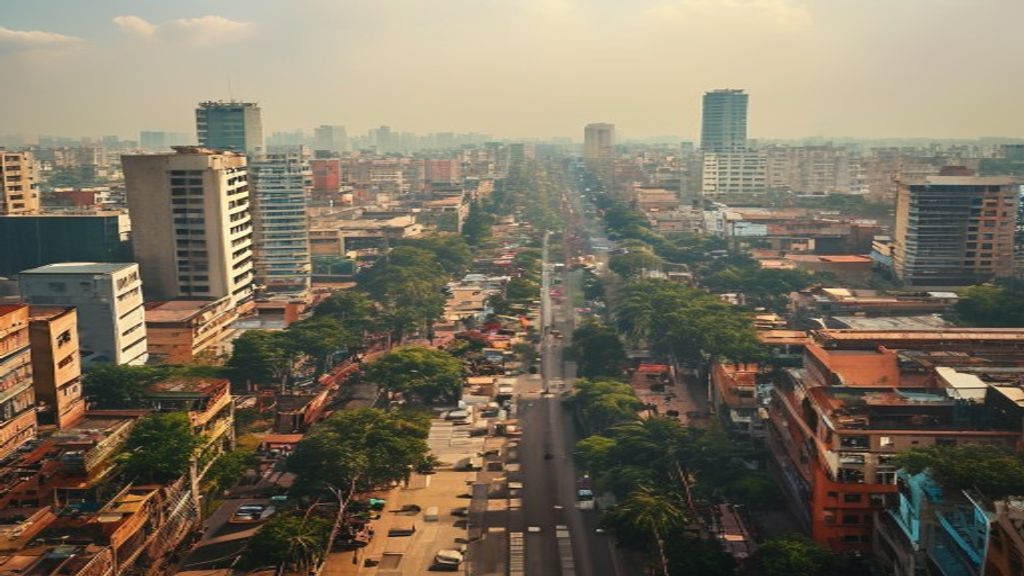
India is set to revolutionize urban living with the introduction of Namo Cities, designed to address the anticipated population growth in the National Capital Region (NCR). This ambitious initiative, part of the Regional Plan-2041, focuses on creating Transit-Oriented Developments (TOD) that will integrate housing, employment, and essential services around Namo Bharat Rapid Rail Transit System (RRTS) stations. The project aims to enhance connectivity and improve the quality of life for residents in the bustling Delhi-NCR area.
Understanding Namo Cities
Namo Cities represent a strategic response to the challenges posed by rapid urbanization in India. With the NCR expected to see a significant increase in its population, these cities will serve as a model for sustainable urban development. The concept emphasizes the importance of public transport, reducing reliance on personal vehicles, and promoting a walkable environment. By clustering residential and commercial spaces around transit hubs, Namo Cities aim to create vibrant communities that foster economic growth and social interaction.
Furthermore, the Namo Cities initiative aligns with India's broader goals of sustainable development and environmental conservation. By prioritizing public transport and minimizing urban sprawl, these cities will help reduce carbon emissions and promote a healthier lifestyle for residents. The integration of green spaces and eco-friendly infrastructure will also enhance the overall living experience.
Key Features of Namo Cities
One of the standout features of Namo Cities is their focus on Transit-Oriented Development. This approach ensures that residential areas are conveniently located near RRTS stations, making commuting easier for residents. As a result, individuals can access jobs and services without the need for long travel times. This model not only improves accessibility but also encourages the use of public transport, leading to reduced traffic congestion.
In addition, Namo Cities will incorporate mixed-use developments, combining residential, commercial, and recreational spaces. This integration fosters a sense of community and encourages social interaction among residents. By providing essential services within walking distance, Namo Cities will enhance the overall quality of life, making them attractive places to live and work.
The Role of Technology in Namo Cities
Technology will play a crucial role in the development of Namo Cities. Smart city initiatives will be implemented to enhance urban management and improve service delivery. For instance, digital platforms will facilitate efficient traffic management, waste disposal, and energy consumption. These innovations will not only streamline operations but also empower residents to engage with their urban environment actively.
Moreover, the use of data analytics will inform urban planning decisions, ensuring that developments meet the needs of the population. By leveraging technology, Namo Cities can adapt to changing demographics and preferences, creating a dynamic urban landscape that evolves with its residents.
Economic Implications of Namo Cities
The establishment of Namo Cities is expected to have significant economic implications for the Delhi-NCR region. By creating new job opportunities and attracting investments, these cities will stimulate local economies. The focus on mixed-use developments will also encourage entrepreneurship, providing a platform for small businesses to thrive.
Furthermore, the improved infrastructure and connectivity offered by Namo Cities will enhance the region's appeal to businesses and investors. As a result, the NCR could become a hub for innovation and economic activity, driving growth and development in the years to come.
Challenges and Considerations
While the vision for Namo Cities is ambitious, several challenges must be addressed to ensure successful implementation. Land acquisition and regulatory hurdles can pose significant obstacles to development. Additionally, ensuring that the infrastructure can support the projected population growth will require careful planning and investment.
Moreover, community engagement is essential to the success of Namo Cities. Involving residents in the planning process will help address their needs and concerns, fostering a sense of ownership and pride in their communities. By prioritizing inclusivity and sustainability, Namo Cities can become exemplary models of urban living in India.
Future Prospects for Namo Cities
Looking ahead, the future of Namo Cities appears promising. As urbanization continues to accelerate, the need for innovative solutions to housing and transportation will only grow. Namo Cities represent a forward-thinking approach to urban planning, prioritizing sustainability and connectivity.
In conclusion, the development of Namo Cities in the Delhi-NCR region marks a significant step towards transforming urban living in India. By integrating housing, jobs, and services around efficient transit systems, these cities aim to create vibrant, sustainable communities that meet the needs of a growing population. As the project unfolds, it will be essential to monitor its progress and adapt to the challenges that arise, ensuring that Namo Cities fulfill their potential as models of modern urban living.
Source: