Waqf Amendment Act 2025.
News INDIA TODAY, THE TIMES OF INDIA, HINDUSTAN TIMES, dc win thriller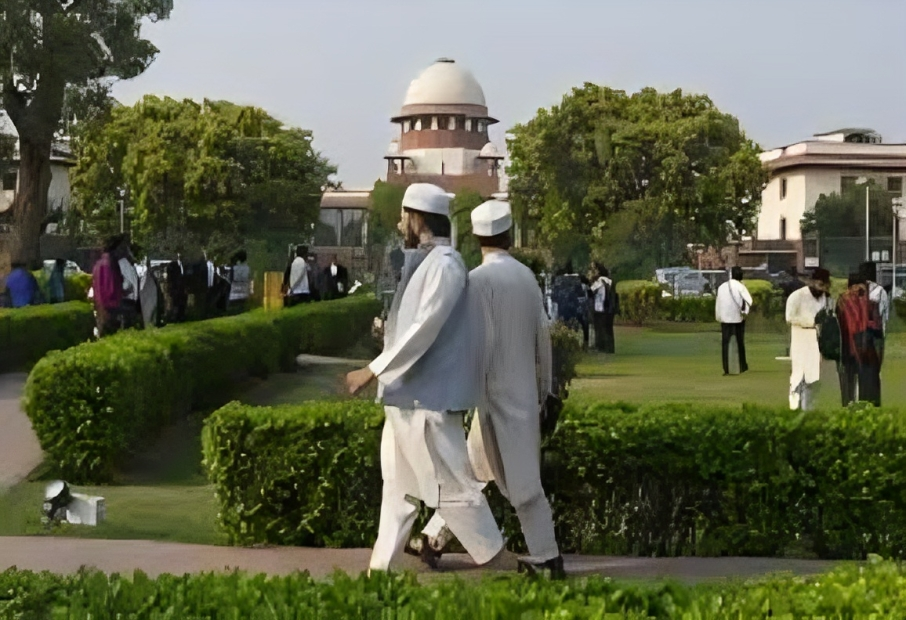
On April 16, 2025, during a Supreme Court hearing on petitions challenging the constitutional validity of the Waqf (Amendment) Act, 2025, Chief Justice of India (CJI) Sanjiv Khanna addressed concerns about the religious composition of the bench. Responding to arguments suggesting that non-Muslim judges should not hear the case due to its religious nature, CJI Khanna stated, “When we sit on the bench, we lose our religion. Both sides are equal to us. Don’t compare this to judges.”
The petitions contest provisions in the amendment that allow non-Muslim members on Waqf Boards, which manage Islamic charitable properties. Petitioners argue this inclusion infringes upon the Muslim community’s right to self-manage religious affairs. The court questioned the Centre on whether similar inclusivity would be extended to Hindu religious boards, asking, “Are you willing to say that from now on, Muslims can also be members of Hindu endowment boards?”
Additionally, the Supreme Court expressed concern over the removal of the concept of “waqf by user” from the amendment. This concept recognizes properties as waqf based on long-standing religious or charitable use, even without formal documentation. The bench warned that eliminating this could lead to the loss of recognition for many such properties.
The hearing is set to continue on April 17, 2025, with the court expected to further examine these contentious provisions.
Sources

