Opposition Parties Urge CJI to Address Concerns Over SIR Process
NewsOpposition Parties Urge CJI to Address Concerns Over SIR Process
Twenty-four opposition parties express serious concerns about the SIR process and its impact on electoral integrity.
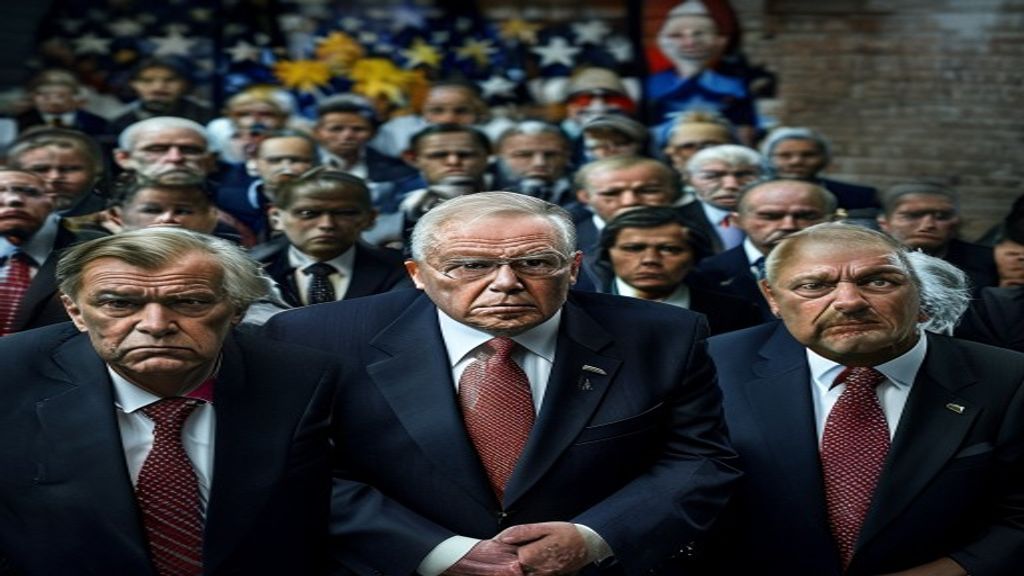
Twenty-four opposition parties, along with an independent Member of Parliament, have formally addressed a letter to the Chief Justice of India. This communication raises significant concerns regarding the Special Intensive Revision (SIR) process and the Election Commission's alleged bias. The opposition argues that the current situation threatens the integrity of the electoral system, prompting them to seek intervention from the Supreme Court.
Concerns Over the Special Intensive Revision Process
The Special Intensive Revision process has come under intense scrutiny from various political factions. The opposition claims that this process lacks transparency and has created administrative confusion. Furthermore, they argue that the Election Commission's actions appear to favor certain political interests, undermining the democratic process. This situation has led to a growing distrust among voters regarding the fairness of upcoming elections.
In their letter, the opposition parties emphasize the need for immediate action. They believe that without intervention, the credibility of the electoral system could be severely compromised. As a result, they are calling on the Supreme Court to take a proactive stance in addressing these issues.
The Role of the Election Commission
The Election Commission plays a crucial role in maintaining the integrity of elections in India. However, the opposition alleges that the Commission's recent decisions have raised questions about its impartiality. Critics argue that the Commission's perceived alignment with the ruling party could lead to unfair advantages during elections.
Moreover, the opposition's letter highlights specific instances where the Election Commission's actions have been called into question. They assert that these actions not only jeopardize the electoral process but also threaten the democratic fabric of the nation. The opposition is urging the Supreme Court to ensure that the Election Commission operates independently and transparently.
Implications for Democracy
The implications of the current situation extend beyond the immediate concerns of the opposition parties. A compromised electoral process can have far-reaching effects on democracy itself. Voter confidence is essential for a healthy democratic system, and any perception of bias can lead to disillusionment among the electorate.
In addition, the opposition argues that the integrity of the electoral process is foundational to the functioning of democracy. If citizens believe that their votes do not count or that the system is rigged, they may disengage from the political process altogether. This disengagement can lead to lower voter turnout and a weakened democratic mandate.
The Call for Supreme Court Intervention
The opposition's letter to the Chief Justice of India is a call to action. They are urging the Supreme Court to intervene in the Special Intensive Revision process and address the concerns raised about the Election Commission. The parties believe that judicial oversight is necessary to restore public confidence in the electoral system.
Furthermore, the opposition is advocating for reforms that would enhance transparency and accountability within the Election Commission. They argue that such reforms are essential to ensure that the electoral process remains fair and impartial. The Supreme Court's involvement could pave the way for necessary changes that uphold the principles of democracy.
The Future of Electoral Integrity
As the political landscape continues to evolve, the future of electoral integrity remains uncertain. The opposition's concerns about the Special Intensive Revision process highlight the need for vigilance in protecting democratic values. Ensuring that elections are conducted fairly is paramount for the health of democracy in India.
Meanwhile, the response from the Supreme Court will be closely watched by both political leaders and the public. The outcome of this situation could set important precedents for how electoral processes are managed in the future. The stakes are high, and the demand for a transparent and fair electoral system is louder than ever.
Source: