Omar Abdullah Advocates India-Pakistan Dialogue for Peace
NewsOmar Abdullah Advocates India-Pakistan Dialogue for Peace
Jammu and Kashmir Chief Minister emphasizes dialogue as key to peace, noting support from RSS leaders.
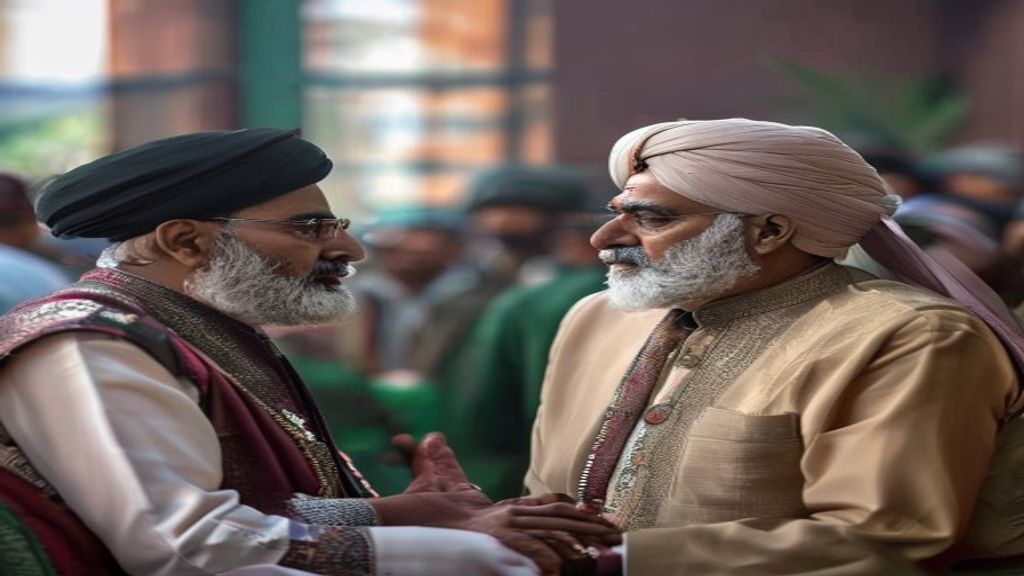
Jammu and Kashmir Chief Minister Omar Abdullah has strongly advocated for renewed India-Pakistan dialogue, stating that it is the only viable path to de-escalate tensions between the two nations. Abdullah's remarks come amid rising calls for peace talks, highlighting the importance of diplomatic engagement. He questioned why J&K politicians face criticism for promoting dialogue while leaders from the Rashtriya Swayamsevak Sangh (RSS) receive no backlash for similar sentiments.
Abdullah emphasized that improving neighborly relations is crucial for long-term stability in the region. He referenced the vision of former Prime Minister Atal Bihari Vajpayee, who believed in fostering friendly ties with Pakistan. This historical perspective underlines the necessity of dialogue in addressing ongoing conflicts and misunderstandings.
Importance of India-Pakistan Dialogue
The call for India-Pakistan dialogue is not new, but it has gained renewed urgency in recent times. Political leaders and analysts argue that open communication can pave the way for resolving longstanding issues, including territorial disputes and cross-border terrorism. Abdullah's advocacy reflects a growing recognition that dialogue is essential for peace.
Furthermore, the Chief Minister pointed out that dialogue should not be seen as a sign of weakness. Instead, it represents a commitment to finding common ground. Engaging in discussions can help build trust and reduce hostilities, ultimately benefiting both nations and their citizens.
Criticism of Political Leaders
Abdullah's comments also addressed the double standards in political discourse surrounding dialogue. He noted that while J&K politicians advocating for peace talks often face backlash, RSS leaders promoting similar ideas do not encounter the same level of scrutiny. This inconsistency raises questions about the political climate and the willingness to embrace dialogue.
As a result, Abdullah called for a more unified approach among political leaders in India. He urged them to prioritize national interests over partisan politics. By doing so, they can create an environment conducive to constructive dialogue with Pakistan.
Historical Context of India-Pakistan Relations
The history of India-Pakistan relations is marked by conflict and tension. However, there have been moments when dialogue led to significant breakthroughs. For instance, the Lahore Declaration in 1999 aimed to improve bilateral relations, showcasing the potential for diplomacy.
In addition, Abdullah referenced past leaders who have championed dialogue. Their efforts demonstrate that peace is achievable through sustained engagement. By learning from history, current leaders can adopt strategies that prioritize dialogue over confrontation.
The Role of Public Sentiment
Public sentiment plays a crucial role in shaping the discourse around India-Pakistan dialogue. Many citizens express a desire for peace and stability, recognizing the benefits of cooperation. Abdullah's advocacy reflects this growing public demand for dialogue.
Moreover, fostering a culture of dialogue can help mitigate the impact of extremist views. By promoting understanding and empathy, leaders can counteract narratives that fuel division. This approach aligns with Abdullah's vision of a peaceful and prosperous region.
Future Prospects for Dialogue
Looking ahead, the prospects for India-Pakistan dialogue remain uncertain. However, Abdullah's call for renewed discussions signals a willingness to explore diplomatic avenues. Engaging in dialogue could lead to practical solutions for pressing issues.
Furthermore, both nations must recognize the importance of sustained engagement. Regular communication can help prevent misunderstandings and reduce tensions. As political leaders navigate this complex landscape, the emphasis on dialogue will be crucial for fostering peace.
Abdullah's advocacy for India-Pakistan dialogue serves as a reminder of the potential for diplomacy to transform relations. By prioritizing dialogue, leaders can work towards a more stable and peaceful future for both nations.
Source: