India-Pakistan Relations: The Challenge of Track II Diplomacy
NewsIndia-Pakistan Relations: The Challenge of Track II Diplomacy
Renewed calls for dialogue highlight the complexities of peace efforts between India and Pakistan.
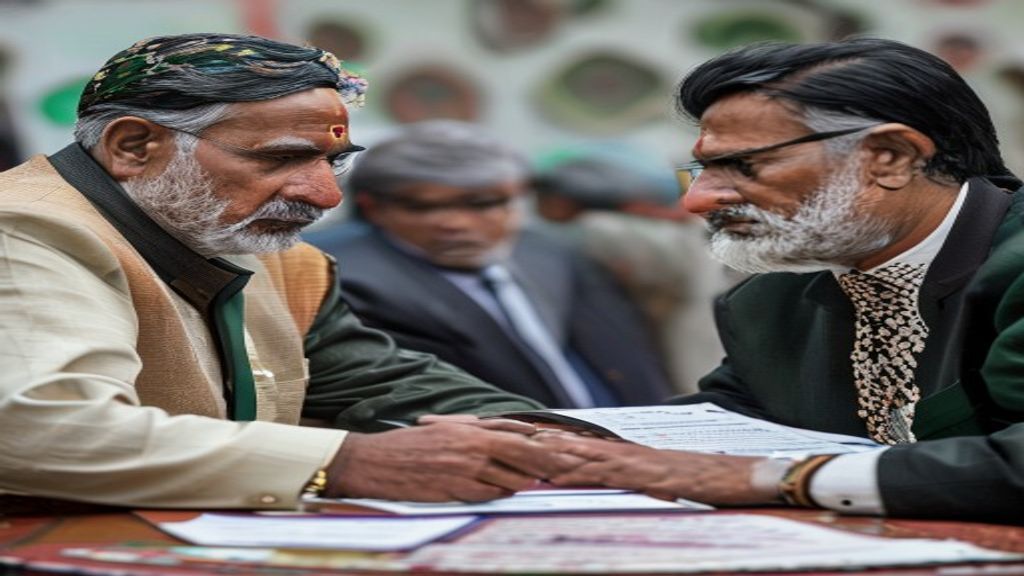
A recent open letter from notable citizens in India and Pakistan has called for renewed dialogue to improve India-Pakistan relations. This initiative faces significant challenges due to entrenched ideological, political, and institutional divides. The letter emphasizes that the stagnation in relations is not due to a lack of meetings but rather the deep-rooted issues that hinder meaningful discussions.
The Current State of India-Pakistan Relations
India-Pakistan relations have been fraught with tension for decades. The historical context includes territorial disputes, particularly over Kashmir, which remains a contentious issue. Furthermore, both nations have experienced cycles of dialogue and conflict, leading to a complex relationship that is difficult to navigate. The recent letter reflects a growing desire among citizens for peace, yet the path forward is laden with obstacles.
In addition, the political landscape in both countries complicates these relations. In Pakistan, the military establishment wields significant influence over foreign policy, often sidelining civilian perspectives. This dynamic raises questions about the effectiveness of civilian-led dialogues, as military interests may overshadow peace initiatives. As a result, any attempts to foster dialogue must consider these power structures.
The Role of Track II Diplomacy
Track II diplomacy refers to informal dialogues and problem-solving activities between individuals or groups from different countries. In the context of India-Pakistan relations, this approach has been employed to bridge gaps where formal negotiations have failed. However, the effectiveness of Track II diplomacy remains debatable, given the entrenched positions of both governments.
Moreover, Track II initiatives often lack the necessary political backing to effect real change. While they can foster understanding and build relationships, they may not translate into actionable policies. As a result, the impact of these dialogues on official negotiations is often limited, leaving many to question their overall utility in improving India-Pakistan relations.
Challenges to Effective Dialogue
The challenges to effective dialogue between India and Pakistan are multifaceted. Ideological differences play a significant role, as both nations have distinct national identities shaped by historical grievances. These differences often manifest in public sentiment, making it difficult for leaders to pursue peace without facing backlash from their constituents.
Furthermore, the institutional divides within both countries exacerbate the situation. In India, political parties may exploit tensions with Pakistan for electoral gains, while in Pakistan, the military's dominance can stifle civilian efforts for peace. This environment creates a cycle of mistrust, making it challenging to establish a foundation for constructive dialogue.
The Importance of Civil Society Engagement
Engaging civil society is crucial for fostering a conducive environment for dialogue. Grassroots movements and citizen-led initiatives can play a pivotal role in shaping public opinion and encouraging leaders to pursue peace. The recent open letter from Indian and Pakistani citizens is a testament to the potential of civil society to influence the discourse surrounding India-Pakistan relations.
In addition, civil society can help bridge the ideological divides by promoting mutual understanding and empathy. Initiatives that focus on cultural exchange, education, and shared experiences can create a more favorable atmosphere for dialogue. As a result, empowering citizens to take an active role in peacebuilding efforts may lead to more sustainable outcomes.
Future Prospects for India-Pakistan Relations
Looking ahead, the prospects for India-Pakistan relations remain uncertain. While there is a clear desire for dialogue among citizens, the entrenched political and military dynamics pose significant challenges. However, the continued push for Track II diplomacy and civil society engagement may provide avenues for progress.
Moreover, international actors can play a role in facilitating dialogue by encouraging both nations to engage in constructive discussions. As global dynamics shift, the importance of stable India-Pakistan relations becomes increasingly evident. Therefore, fostering an environment conducive to dialogue is essential for long-term peace and stability in the region.
In summary, while the road to improved India-Pakistan relations is fraught with challenges, the ongoing calls for dialogue reflect a persistent hope for peace. By addressing the ideological and institutional divides and empowering civil society, there may be a path forward that leads to meaningful engagement and understanding between these two nations.
Source: