Congress Demands Dharmendra Pradhan’s Resignation Over CBSE Contr
NewsCongress Demands Dharmendra Pradhan's Resignation Over CBSE Controversy
Congress labels government actions as mere eyewash in education crisis
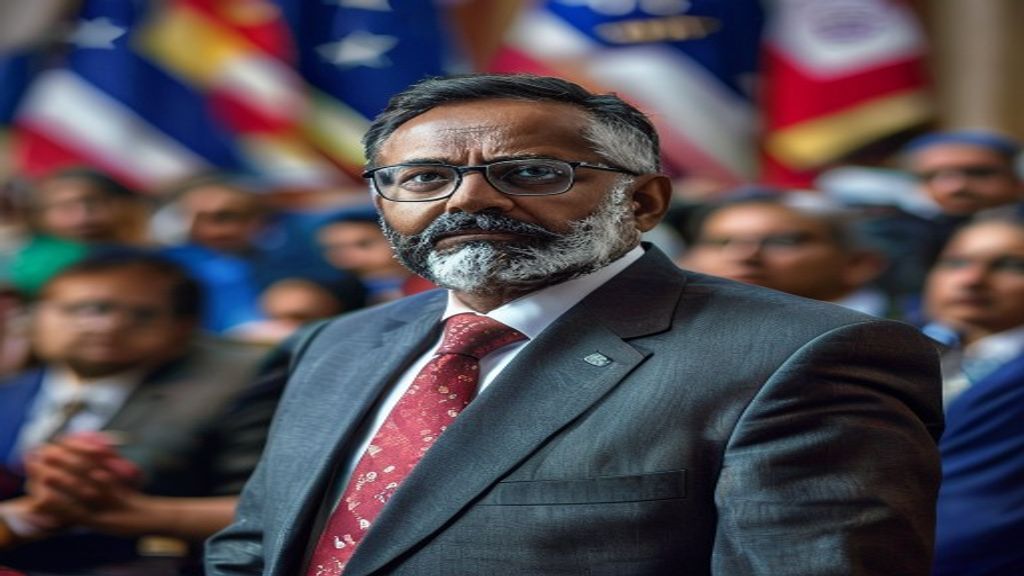
The Congress party has strongly criticized the government's recent actions regarding the CBSE controversy, labeling them as a mere "cover-up" and "eyewash." This criticism comes in light of the government's handling of the situation involving the Central Board of Secondary Education (CBSE) officials. Congress leaders are calling for the resignation of Education Minister Dharmendra Pradhan, claiming that his leadership has created an "inept and incompetent ecosystem" detrimental to students.
Congress Criticism of Government Actions
The Congress party has voiced its discontent with the government's response to the CBSE controversy. They argue that the actions taken against CBSE officials do not address the root issues affecting students. Furthermore, Congress leaders assert that these measures are insufficient and merely serve to distract from the real problems within the education system. The party believes that the government's failure to implement meaningful reforms is a significant factor contributing to the ongoing crisis.
In addition, Congress has accused the government of prioritizing political interests over the welfare of students. They argue that the current administration's approach lacks transparency and accountability. As a result, many students and parents feel abandoned in the face of educational challenges. The party's demands for Pradhan's resignation stem from a belief that his leadership has failed to provide the necessary support and guidance for the education sector.
The Role of Dharmendra Pradhan in the Controversy
Dharmendra Pradhan, as the Education Minister, has been at the forefront of the CBSE controversy. Critics argue that his policies have led to confusion and dissatisfaction among students and educators alike. The Congress party claims that Pradhan's inability to address these issues effectively has resulted in a decline in educational standards. They contend that his leadership style lacks the decisiveness needed to navigate such a critical situation.
Moreover, Congress points to specific instances where Pradhan's decisions have been questioned. They highlight the lack of clear communication from the Ministry of Education regarding examination protocols and curriculum changes. This uncertainty has left students and parents frustrated, further fueling the call for Pradhan's resignation. The party believes that a change in leadership is essential for restoring confidence in the education system.
Public Reaction to the CBSE Controversy
The public response to the CBSE controversy has been overwhelmingly critical of the government's actions. Many parents and students have expressed their concerns through social media and public forums. They feel that the government's response has been inadequate and does not reflect the seriousness of the situation. As a result, there is growing pressure on the government to take more decisive action.
Furthermore, educational experts have weighed in on the controversy, emphasizing the need for systemic reforms. They argue that the issues within the CBSE are symptomatic of broader problems in the Indian education system. Many believe that without significant changes, the quality of education will continue to suffer. This sentiment aligns with the Congress party's demands for accountability and reform within the Ministry of Education.
Implications for the Future of Education
The ongoing CBSE controversy raises critical questions about the future of education in India. If the government fails to address the concerns raised by the Congress party and the public, the consequences could be severe. Students may continue to face uncertainty and challenges in their academic journeys. Additionally, the reputation of the CBSE could suffer long-term damage, affecting its credibility.
In light of these developments, educational stakeholders are calling for a comprehensive review of the current policies and practices. They advocate for a more collaborative approach that includes input from educators, parents, and students. This could lead to a more effective and responsive education system that meets the needs of all stakeholders.
The Path Forward for the Government
To regain public trust, the government must take meaningful steps to address the concerns surrounding the CBSE controversy. This includes transparent communication and a commitment to reforming the education system. The Congress party's demands for Dharmendra Pradhan's resignation highlight the urgency of the situation. However, the government must also focus on implementing policies that prioritize student welfare and educational integrity.
As the situation unfolds, it remains to be seen how the government will respond to the mounting pressure. The future of education in India depends on the ability of leaders to listen to the voices of students and educators. Only through genuine reform can the government hope to restore confidence in the CBSE and the broader education system.
Source: