India Rejects Third-Party Involvement in Nepal Border Dispute
NewsIndia Rejects Third-Party Involvement in Nepal Border Dispute
India emphasizes bilateral resolution, dismissing UK intervention proposal
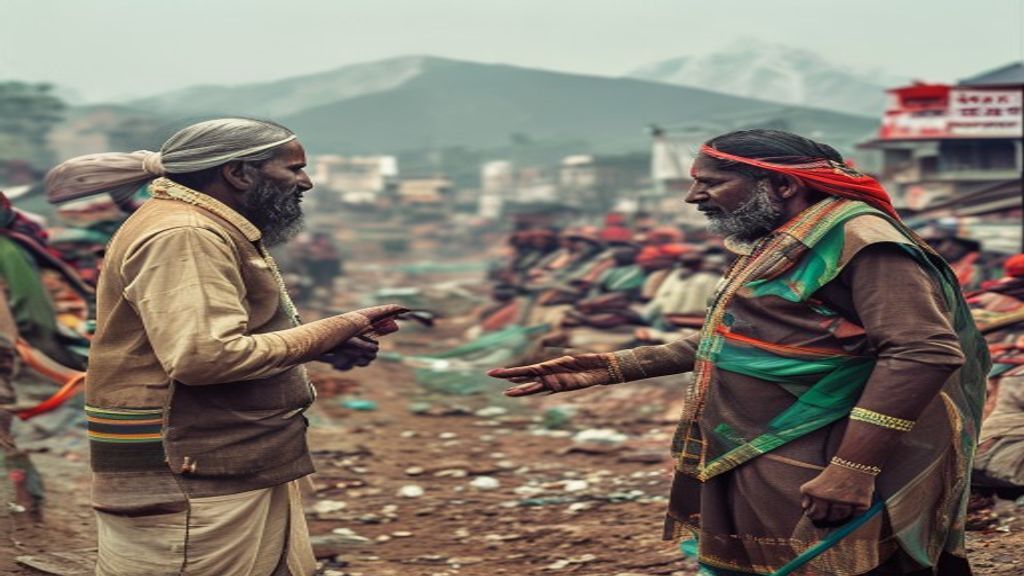
India has firmly rejected any third-party involvement in the ongoing Nepal border dispute. This decision comes after Nepal's Prime Minister suggested that the United Kingdom intervene, citing historical ties dating back to British rule. India asserts that all matters regarding the Nepal border dispute are strictly bilateral and should be resolved through established diplomatic channels.
India’s Stance on the Nepal Border Dispute
India's Ministry of External Affairs (MEA) has reiterated its position that the Nepal border dispute is a bilateral issue. The MEA emphasized that India and Nepal have existing mechanisms to address boundary issues effectively. Furthermore, India believes that involving a third party could complicate the situation rather than facilitate a resolution.
As a result, India remains committed to resolving the Nepal border dispute through dialogue and mutual understanding. The Indian government has expressed confidence in its ability to handle the matter without external interference. This stance underscores India's approach to maintaining sovereignty and territorial integrity.
Historical Context of the Dispute
The Nepal border dispute has its roots in historical agreements and colonial-era maps. The origins of the conflict date back to the Sugauli Treaty of 1815, which defined the boundaries between British India and Nepal. However, differing interpretations of this treaty have led to ongoing tensions over specific border areas.
In addition, the dispute has been fueled by nationalistic sentiments in both countries. Nepal's Prime Minister has called for international support, arguing that the historical context warrants a broader discussion. However, India maintains that the historical context should not dictate current diplomatic relations.
Bilateral Mechanisms for Resolution
India and Nepal have established various bilateral mechanisms to address border disputes. These include regular diplomatic talks and joint boundary committees that work to clarify and resolve issues. The Indian government believes these mechanisms are sufficient for addressing the Nepal border dispute effectively.
Moreover, both nations have a history of cooperation in various sectors, including trade and security. This cooperative spirit is crucial for maintaining stability in the region. India emphasizes that any resolution must respect the sovereignty of both nations and be achieved through direct negotiations.
Implications of Third-Party Involvement
The suggestion of third-party involvement in the Nepal border dispute raises several concerns. India fears that such intervention could set a precedent for future disputes in the region. Furthermore, it could undermine the trust and cooperation that have been built over the years between India and Nepal.
As a result, India is cautious about any external influence in its bilateral relations. The government believes that allowing a third party to mediate could lead to misunderstandings and further complicate the resolution process. India’s position is clear: the Nepal border dispute must be settled by the two nations involved.
Regional Reactions to the Dispute
The Nepal border dispute has garnered attention from various regional players. Neighboring countries are closely monitoring the situation, as any escalation could impact regional stability. Furthermore, the involvement of external powers could shift the balance of influence in South Asia.
In addition, public sentiment in both India and Nepal plays a significant role in shaping the narrative around the dispute. National pride and historical grievances often fuel public opinion, making it essential for both governments to manage the situation carefully. Diplomatic efforts must consider these sentiments to avoid further tensions.
Future Prospects for Resolution
Looking ahead, the resolution of the Nepal border dispute will require sustained diplomatic engagement. Both India and Nepal must prioritize dialogue to address their differences. As tensions persist, the need for constructive communication becomes increasingly important.
Furthermore, both nations can benefit from focusing on shared interests, such as economic cooperation and security collaboration. By fostering a spirit of partnership, India and Nepal can work towards a peaceful resolution of the border dispute. Ultimately, the goal should be to strengthen bilateral relations while respecting each country's sovereignty.
Source: