CJP Founder Dipke Plans Protest in India Despite Arrest Threats
NewsCJP Founder Dipke Plans Protest in India Despite Arrest Threats
Despite potential arrest, CJP founder Dipke vows to protest in India for justice and rights.
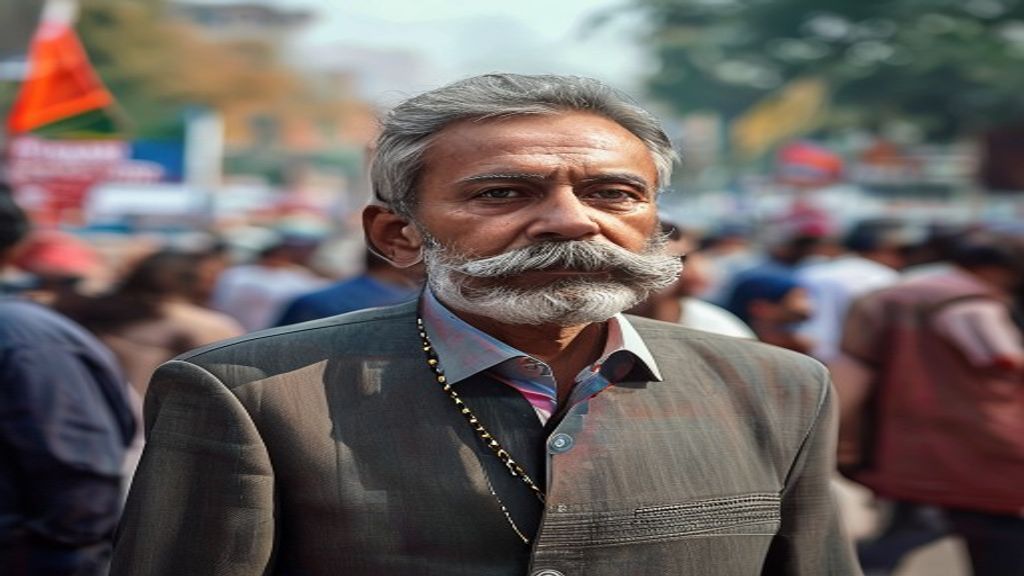
CJP founder Dipke has announced plans to protest in India, despite facing potential arrest. The protest aims to highlight critical issues surrounding justice and human rights. Scheduled for next month, this event will take place in major cities across India, drawing attention to the ongoing struggles faced by marginalized communities.
CJP Founder Dipke's Commitment to Justice
Dipke, a prominent figure in the fight for human rights, emphasizes the importance of standing up for justice. The CJP founder believes that protests are essential for raising awareness about systemic injustices. Furthermore, he asserts that the right to protest is a fundamental aspect of democracy, which must be protected at all costs.
In his statement, Dipke expressed that the potential for arrest will not deter him from participating in the protest. He stated, "Even if I may get arrested, I feel it is my duty to come to India and voice the concerns of the people." This unwavering commitment to justice resonates with many activists and supporters.
The Importance of Protests in India
Protests have historically played a crucial role in shaping social and political landscapes in India. They serve as a platform for citizens to express their grievances and demand accountability from authorities. The upcoming protest led by the CJP founder Dipke aims to address pressing issues such as discrimination, inequality, and the need for legal reforms.
Moreover, protests can mobilize communities and foster solidarity among diverse groups. As a result, they often lead to significant changes in public policy and societal attitudes. Dipke's protest is expected to attract a wide range of participants, including activists, students, and concerned citizens.
Key Issues to be Addressed
The protest organized by CJP founder Dipke will focus on several key issues affecting marginalized communities in India. These include the ongoing struggles against caste-based discrimination, gender inequality, and the need for better legal protections for vulnerable populations.
In addition, Dipke plans to highlight the importance of freedom of expression and the right to dissent. He believes that these rights are under threat in the current political climate. By bringing these issues to the forefront, the protest aims to inspire action and encourage dialogue among citizens and policymakers alike.
The Role of CJP in Advocacy
The Citizens for Justice and Peace (CJP) organization, founded by Dipke, has been at the forefront of advocating for human rights in India. The CJP works tirelessly to support victims of injustice and promote legal reforms. Their efforts have included providing legal aid, raising awareness, and mobilizing communities to stand against oppression.
Furthermore, the CJP has been involved in various campaigns aimed at protecting civil liberties. The organization’s commitment to justice aligns with Dipke's vision for a more equitable society. As the protest approaches, the CJP is gearing up to rally support and amplify the voices of those who have been silenced.
Anticipated Challenges Ahead
Despite the determination of CJP founder Dipke and his supporters, the upcoming protest may face several challenges. Authorities may impose restrictions or attempt to disband gatherings, citing public safety concerns. However, Dipke remains resolute in his belief that peaceful protests are a vital part of democratic expression.
Moreover, there is a possibility of backlash from opposing groups. This could lead to confrontations during the protest. Nevertheless, Dipke and the CJP are prepared to navigate these challenges and ensure that their message is heard loud and clear.
How to Get Involved
Individuals interested in supporting the protest led by CJP founder Dipke can participate in various ways. Attending the protest is one option, but there are also opportunities to volunteer with the CJP. Those who wish to contribute can help with organizing efforts, spreading awareness, and mobilizing community support.
In addition, sharing information about the protest on social media can help amplify the message. Engaging in discussions about the issues at stake can also foster greater understanding and solidarity. By getting involved, supporters can play a crucial role in advocating for justice and human rights in India.
