Shashi Tharoor Critiques Mandatory Vande Mataram Recitation
NewsShashi Tharoor Critiques Mandatory Vande Mataram Recitation
Congress MP Shashi Tharoor calls full rendition an unnecessary imposition at public events.
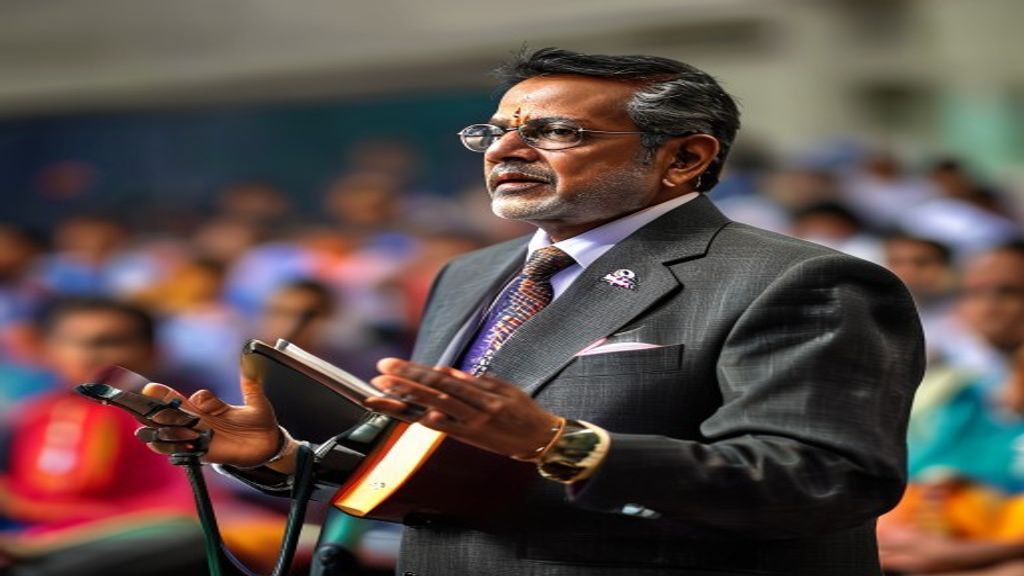
Congress MP Shashi Tharoor has raised concerns regarding the mandatory full recitation of Vande Mataram at public events. He argues that this requirement is an "unnecessary imposition" on attendees. Tharoor's comments come in light of the increasing frequency of such mandates, which he believes do not align with the spirit of the national song.
Tharoor's Perspective on Vande Mataram Recitation
Tharoor's critique centers around the practicality of requiring the complete rendition of Vande Mataram during short public programs. He points out that while the national song deserves respect, compelling its full performance twice in brief events is challenging to justify. This perspective has sparked discussions about the appropriateness of such mandates in contemporary society.
Furthermore, Tharoor emphasizes the importance of understanding the cultural significance of Vande Mataram. He believes that the song should be celebrated, but not enforced in a manner that may alienate individuals. His stance encourages a more nuanced approach to national symbols, advocating for respect without coercion.
Public Reaction to Tharoor's Comments
The public response to Tharoor's remarks has been mixed. Some individuals support his view, arguing that the imposition of mandatory recitation can detract from the song's meaning. They believe that forcing participation may lead to resentment rather than appreciation.
On the other hand, some critics argue that Vande Mataram is a vital part of India's identity and should be honored in its entirety at every opportunity. This divide highlights the ongoing debate about national pride and the ways it should be expressed in public settings.
Historical Context of Vande Mataram
Vande Mataram, composed by Bankim Chandra Chatterjee, has a rich history as a symbol of India's struggle for independence. The song was first introduced in the late 19th century and has since become an anthem of patriotism. Understanding this context is crucial when discussing its role in modern India.
In addition, the song's significance has evolved over time. While it was once a rallying cry for freedom fighters, today it serves as a reminder of national unity. Tharoor's comments invite a reevaluation of how such symbols are integrated into contemporary public life.
The Role of National Symbols in Society
National symbols like Vande Mataram play a significant role in shaping collective identity. They evoke feelings of pride and belonging among citizens. However, the challenge lies in balancing respect for these symbols with individual freedoms.
Moreover, the debate surrounding Vande Mataram recitation raises questions about how national identity is constructed. Should participation in national rituals be mandatory, or should it be a voluntary expression of patriotism? Tharoor's critique encourages a broader dialogue on this topic.
Future Implications for Public Events
As discussions around Vande Mataram recitation continue, the implications for future public events are significant. Organizers may need to reconsider how they incorporate national symbols into their programs. Striking a balance between honoring tradition and respecting individual choice will be essential.
Furthermore, Tharoor's comments may influence policymakers to review existing mandates. A more flexible approach could foster a greater sense of inclusivity while still celebrating national pride. This shift could lead to more meaningful expressions of patriotism in public spaces.
Conclusion of the Debate
The debate over the mandatory recitation of Vande Mataram is far from over. Shashi Tharoor's perspective has opened the floor for discussions about the role of national symbols in modern India. As society evolves, so too must the ways in which these symbols are honored and integrated into public life.
Source: