10L Execution Petitions Pending in District Courts Nationwide
News10L Execution Petitions Pending in District Courts Nationwide
Over 10,000 execution petitions are currently awaiting resolution in district courts across the country.
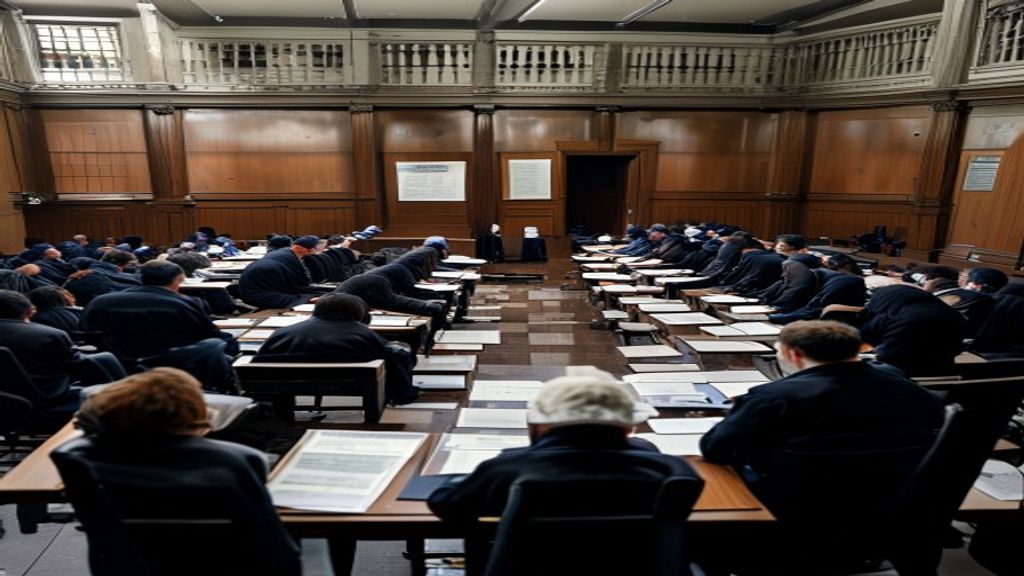
In a significant legal development, over 10,000 execution petitions are currently pending in district courts across the nation. This backlog raises concerns about the efficiency of the judicial system and the implications for those involved in capital cases. Legal experts are closely monitoring the situation, as the resolution of these execution petitions could have far-reaching consequences for the justice system.
Understanding Execution Petitions
Execution petitions are formal requests made by inmates on death row, seeking to challenge their sentences or the methods of execution. These petitions can arise from various legal grounds, including claims of ineffective counsel, new evidence, or violations of constitutional rights. The sheer volume of execution petitions pending in district courts highlights the complexities involved in capital punishment cases.
Furthermore, the process of reviewing these petitions can be lengthy and complicated. Courts must carefully examine each case, considering the legal arguments presented and the potential impact on the individuals involved. As a result, many petitions remain unresolved for extended periods, contributing to the growing backlog.
The Impact of Backlogged Execution Petitions
The backlog of execution petitions has significant implications for both the judicial system and the individuals awaiting execution. Delays in resolving these petitions can prolong the uncertainty faced by inmates, leading to increased psychological stress. Additionally, the backlog can strain court resources, as judges and legal staff work to manage an overwhelming caseload.
Moreover, the backlog raises questions about the fairness and efficiency of the capital punishment system. Critics argue that prolonged delays can undermine the integrity of the judicial process. They contend that timely resolution of execution petitions is essential to uphold justice and ensure that the rights of all parties are respected.
Legal Challenges and Developments
In recent years, several high-profile cases have brought attention to the challenges surrounding execution petitions. Legal advocates have increasingly focused on issues such as racial bias, inadequate legal representation, and the use of controversial execution methods. These factors contribute to the growing number of petitions filed in district courts.
As a result, some states have begun to reevaluate their capital punishment policies. Legislative changes and court rulings have emerged in response to the mounting concerns about the fairness of the execution process. These developments may influence the future landscape of execution petitions and the overall approach to capital punishment in the United States.
The Role of Advocacy Groups
Advocacy groups play a crucial role in addressing the issues surrounding execution petitions. Organizations dedicated to criminal justice reform work tirelessly to raise awareness about the challenges faced by inmates on death row. They provide legal assistance, support, and resources to those navigating the complex legal landscape.
In addition, these groups often engage in public campaigns to highlight the need for reform in the capital punishment system. Their efforts aim to ensure that execution petitions are handled fairly and efficiently, ultimately contributing to a more just legal process.
Future Outlook for Execution Petitions
Looking ahead, the future of execution petitions remains uncertain. The ongoing backlog in district courts may prompt further legal reforms and changes in policy. As public awareness of the issues surrounding capital punishment grows, there may be increased pressure on lawmakers to address the systemic challenges.
Furthermore, advancements in legal technology and case management systems could help streamline the review process for execution petitions. By improving efficiency, courts may be better equipped to handle the volume of cases and reduce the backlog.
Overall, the landscape of execution petitions is evolving, and stakeholders across the legal system must remain vigilant in addressing the challenges that persist. The resolution of these petitions will not only impact the lives of those on death row but also shape the future of capital punishment in the United States.
Source: