PM Modi Advocates Women’s Reservation Act for Equality and Progre
NewsPM Modi Advocates Women's Reservation Act for Equality and Progress
Prime Minister Modi highlights Ambedkar's vision to empower women in India through legislative change.
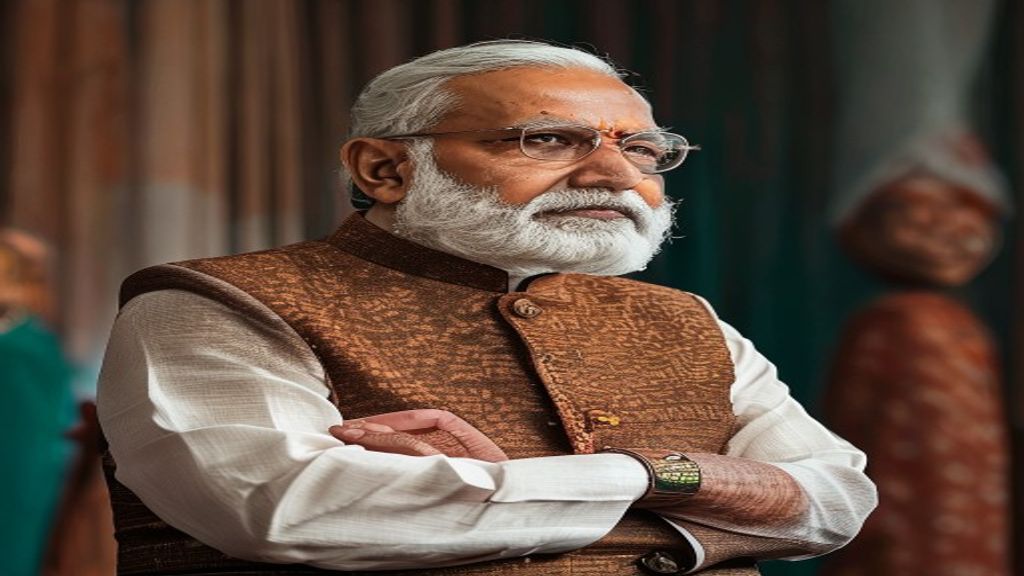
Prime Minister Narendra Modi recently championed the Women's Reservation Act, emphasizing its alignment with Dr. B.R. Ambedkar's vision of equality and inclusivity. During a speech, he called for the swift passage of this crucial legislation, asserting that its full implementation by the 2029 elections will significantly enhance Indian democracy. This initiative aims to accelerate the nation's development towards a 'Viksit Bharat', or Developed India, by ensuring women's representation in governance.
Importance of the Women's Reservation Act
The Women's Reservation Act is a pivotal legislative proposal aimed at reserving a certain percentage of seats for women in legislative bodies. This act seeks to address the gender imbalance in politics, where women have historically been underrepresented. By promoting women's participation, the act aims to create a more equitable political landscape in India.
Furthermore, the act is not just about numbers; it is about empowering women to take active roles in decision-making processes. Prime Minister Modi highlighted that this initiative resonates with Dr. Ambedkar's commitment to social justice and equality. By invoking Ambedkar's legacy, Modi reinforces the idea that true democracy cannot exist without the active participation of all its citizens, especially women.
Historical Context of Women's Representation
Historically, women's representation in Indian politics has been limited. Despite making up nearly half of the population, women have faced numerous barriers to entry in political spheres. The Women's Reservation Act seeks to dismantle these barriers by ensuring that women have a guaranteed presence in legislative assemblies.
As a result, this act could lead to more inclusive policies that address the unique challenges faced by women in society. The push for the Women's Reservation Act is not merely a contemporary issue; it reflects a long-standing struggle for gender equality in India.
The Role of Dr. B.R. Ambedkar
Dr. B.R. Ambedkar, a key architect of the Indian Constitution, advocated for social justice and equality. His vision included the empowerment of marginalized communities, including women. By referencing Ambedkar, Prime Minister Modi underscores the historical significance of this legislative change.
Moreover, Ambedkar's principles serve as a guiding light for contemporary efforts to enhance women's rights. The Women's Reservation Act embodies these principles by striving to create a more just and equitable society. This connection to Ambedkar's legacy adds weight to the call for swift legislative action.
Expected Impact on Indian Democracy
The implementation of the Women's Reservation Act is expected to have a profound impact on Indian democracy. By increasing women's representation, the act can lead to more diverse perspectives in governance. This diversity is crucial for addressing the complex issues facing the nation today.
In addition, a more representative government can foster greater public trust and engagement. When women see themselves reflected in leadership roles, it can inspire future generations to participate in politics. Thus, the Women's Reservation Act is not just a legislative change; it is a step towards a more inclusive democracy.
Challenges Ahead for the Women's Reservation Act
Despite the potential benefits, the Women's Reservation Act faces several challenges. Opposition from various political factions and societal norms may hinder its passage. Furthermore, there is a need for widespread awareness and support among the public to ensure its success.
However, Prime Minister Modi's advocacy for the act signals a commitment to overcoming these obstacles. His call for urgency in passing the legislation reflects an understanding of the critical role it plays in shaping the future of Indian democracy.
The Path Forward for Women's Empowerment
Looking ahead, the Women's Reservation Act represents a significant opportunity for advancing women's rights in India. As the nation moves towards the 2029 elections, the urgency for this legislation becomes increasingly clear.
Moreover, the act can serve as a catalyst for broader societal changes that promote gender equality. By ensuring women's voices are heard in legislative processes, India can work towards a more equitable future. The Women's Reservation Act is not just a policy; it is a commitment to building a society where everyone has an equal opportunity to contribute to the nation's progress.
Source: