Bihar Politics Shifts as Nitish Kumar Exits, BJP Era Begins
NewsBihar Politics Shifts as Nitish Kumar Exits, BJP Era Begins
The departure of Nitish Kumar marks a new chapter in Bihar politics, paving the way for BJP's influence.
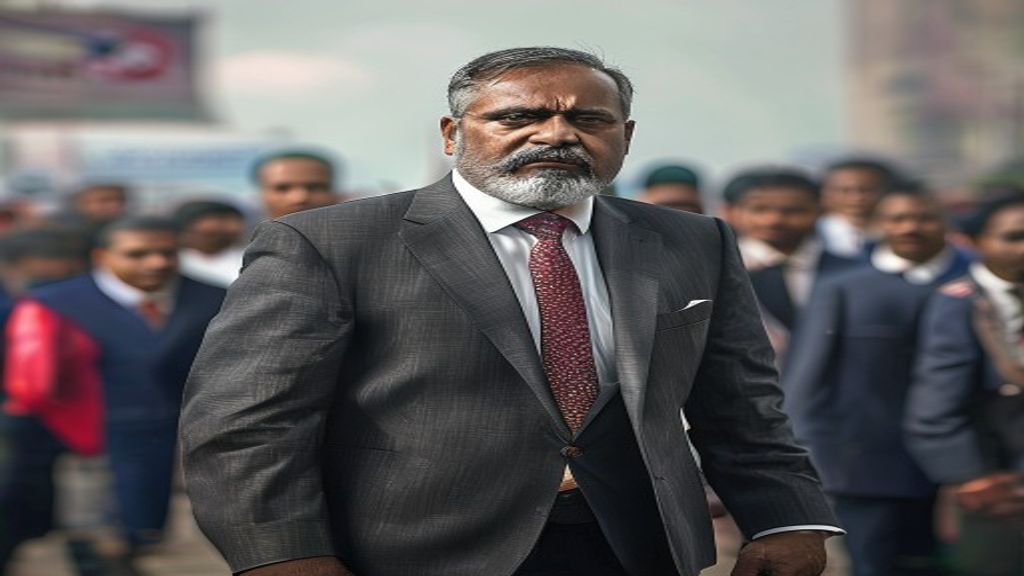
In a significant shift in Bihar politics, Chief Minister Nitish Kumar has stepped down, signaling the end of an era. This transition occurred on October 23, 2023, as Kumar announced his resignation, paving the way for the Bharatiya Janata Party (BJP) to take a more prominent role in the state's governance. The political landscape in Bihar is poised for a transformation, raising questions about the future direction of the state.
The Rise of BJP in Bihar Politics
The BJP's ascent in Bihar politics has been gradual yet impactful. Over the past few years, the party has strengthened its foothold through strategic alliances and grassroots mobilization. With Nitish Kumar's exit, the BJP is expected to consolidate its power and implement its agenda more effectively. This shift could lead to significant policy changes that resonate with the party's core supporters.
Furthermore, the BJP's influence in Bihar politics is not just limited to state governance. The party has been actively engaging with local communities, addressing issues that matter to the electorate. As a result, the BJP's popularity has surged, making it a formidable force in the region. The party's focus on development and infrastructure has resonated well with the voters, positioning it as a key player in the upcoming elections.
Implications of Nitish Kumar's Departure
Nitish Kumar's resignation carries profound implications for Bihar politics. His leadership has been characterized by a coalition approach, often balancing various political interests. However, with his exit, the political dynamics are likely to shift, leading to a more assertive BJP. This change could alter the way policies are formulated and implemented in the state.
Moreover, Kumar's departure may create a power vacuum that other political parties could exploit. The Rashtriya Janata Dal (RJD) and other regional parties may seek to fill this gap, potentially leading to a more fragmented political landscape. As a result, the upcoming elections will be crucial in determining the future trajectory of Bihar politics.
Voter Sentiment and Future Elections
The changing dynamics in Bihar politics will undoubtedly influence voter sentiment. Many voters have expressed a desire for stability and effective governance. With the BJP now in a stronger position, it will be essential for the party to address the concerns of the electorate. This includes focusing on employment, education, and healthcare, which are critical issues for the people of Bihar.
In addition, the BJP's ability to maintain its support will depend on its performance in the upcoming elections. The party must demonstrate that it can deliver on its promises and effectively govern the state. Voter expectations are high, and any failure to meet these expectations could lead to a backlash against the party.
The Role of Regional Parties
Regional parties have historically played a significant role in Bihar politics. With Nitish Kumar's exit, these parties may find new opportunities to assert their influence. The RJD, led by Tejashwi Yadav, is likely to capitalize on this moment to rally support against the BJP. This could lead to a more competitive political environment as regional parties seek to reclaim their lost ground.
Furthermore, the emergence of new political alliances cannot be ruled out. As parties reassess their strategies, we may witness unexpected coalitions forming in response to the changing political landscape. This fluidity could reshape the electoral map in Bihar, making the next elections even more unpredictable.
Economic Policies and Development Initiatives
As the BJP prepares to take the reins of power in Bihar, its economic policies will be under scrutiny. The party has promised to focus on development initiatives that aim to boost the state's economy. This includes investments in infrastructure, agriculture, and technology. The effectiveness of these policies will be critical in determining the party's success in the upcoming elections.
Moreover, the BJP's approach to economic development will need to address the unique challenges faced by Bihar. High levels of poverty and unemployment are persistent issues that require targeted solutions. The party's ability to implement effective policies will be crucial in winning over skeptical voters who may be wary of the BJP's promises.
Public Reaction and Media Coverage
Public reaction to Nitish Kumar's resignation has been mixed. Supporters of the BJP view this as a positive development, while Kumar's supporters express concern about the future of governance in Bihar. Media coverage has focused on the potential implications of this political shift, analyzing how it may affect the state's stability and development.
In addition, social media platforms have become a battleground for political discourse. Both the BJP and its opponents are leveraging these platforms to communicate their messages and engage with voters. This digital engagement will play a significant role in shaping public opinion as the political landscape evolves.
The exit of Nitish Kumar marks a pivotal moment in Bihar politics, ushering in a new era dominated by the BJP. As the party prepares to assert its influence, the implications for governance, voter sentiment, and regional dynamics will unfold in the coming months. The future of Bihar politics remains uncertain, but one thing is clear: significant changes are on the horizon.
Source: