ECI Reveals 2,926 Candidates for West Bengal Assembly Elections
NewsECI Reveals 2,926 Candidates for West Bengal Assembly Elections
The Election Commission of India prepares for crucial polls in West Bengal with nearly 3,000 candidates.
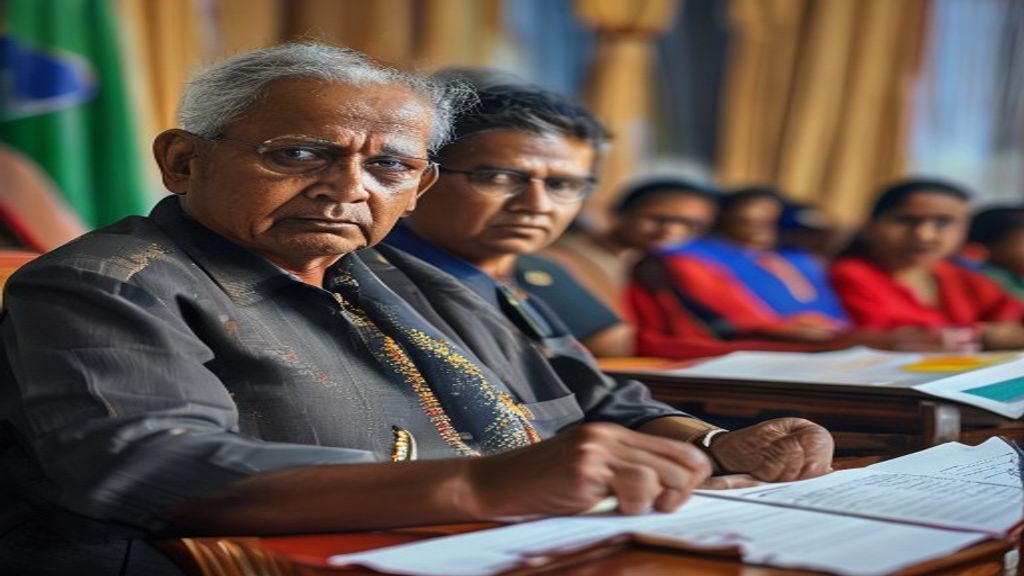
The Election Commission of India (ECI) has announced that a total of 2,926 candidates will contest in the upcoming West Bengal assembly elections. These elections are set to take place in two phases on April 23 and April 29, with results expected to be declared on May 4. The West Bengal assembly elections are critical as they will determine the political landscape of the state for the next five years.
Overview of West Bengal Assembly Elections
The West Bengal assembly elections are a significant event in Indian politics, attracting attention from across the nation. With 2,926 candidates in the fray, the competition is fierce. The ECI has organized the elections into two phases to ensure a smooth voting process. This strategic approach allows for better management of resources and security during the polling days.
Furthermore, the assembly elections will involve various political parties, including major players like the Trinamool Congress (TMC) and the Bharatiya Janata Party (BJP). Each party aims to secure a majority in the 294-member assembly. The stakes are high, as the outcome will influence governance and policy-making in West Bengal.
Candidate Profiles and Party Representation
In the West Bengal assembly elections, candidates come from diverse backgrounds, representing a wide array of political ideologies. The ECI has ensured that the nomination process is transparent, allowing for a fair chance for all parties. This year, the number of candidates reflects the growing political engagement among the populace.
Moreover, the representation of women and youth in the candidate list has seen a notable increase. Political parties are focusing on inclusivity, aiming to attract younger voters and women. This shift indicates a changing dynamic in West Bengal politics, where traditional norms are being challenged.
Election Schedule and Voting Process
The West Bengal assembly elections will unfold over two phases, with polling scheduled for April 23 and April 29. Voters will have the opportunity to cast their ballots at designated polling stations across the state. The ECI has implemented strict guidelines to ensure a safe and secure voting environment, especially in light of recent health concerns.
As a result, voters are encouraged to familiarize themselves with the voting process. They should check their voter registration status and locate their polling stations ahead of time. The ECI aims to facilitate a smooth experience for all voters during the assembly elections.
Security Measures for the Elections
Security is a top priority for the ECI during the West Bengal assembly elections. The commission has coordinated with local law enforcement agencies to deploy adequate security personnel at polling stations. This measure aims to prevent any disruptions and ensure that voters can exercise their rights without fear.
In addition, the ECI has established protocols for handling any potential electoral malpractices. Surveillance measures, including CCTV cameras and monitoring teams, will be in place to maintain the integrity of the elections. These efforts reflect the ECI's commitment to conducting free and fair elections in West Bengal.
Importance of Voter Participation
Voter participation is crucial in the West Bengal assembly elections. The ECI has launched various initiatives to encourage citizens to engage in the electoral process. Awareness campaigns highlight the significance of voting and the impact it has on local governance.
Furthermore, the youth and first-time voters are being targeted through social media and community outreach programs. Engaging these demographics is essential for fostering a vibrant democracy. The ECI hopes that increased participation will lead to a more representative assembly.
Anticipated Outcomes and Political Implications
The outcome of the West Bengal assembly elections is expected to have far-reaching implications for the state's political landscape. Analysts predict that the results could reshape alliances and influence national politics. The performance of major parties like TMC and BJP will be closely monitored.
As a result, the elections are not just a local affair but a significant event in the broader context of Indian politics. The ECI's announcement of 2,926 candidates sets the stage for a highly competitive electoral battle, with voters poised to make their voices heard.
Source: