PM Modi Advocates Women’s Reservation Bill Ahead of Parliament Se
NewsPM Modi Advocates Women's Reservation Bill Ahead of Parliament Session
Prime Minister Modi emphasizes urgency for women's empowerment in legislative bodies ahead of special session.
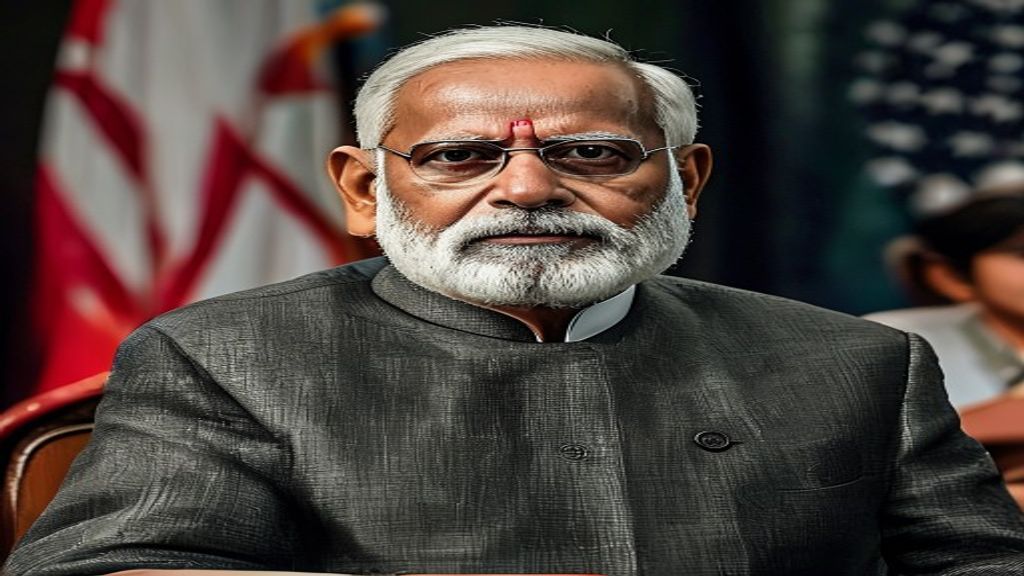
Prime Minister Narendra Modi has called upon the women of India to support the Women's Reservation Bill, emphasizing the government's commitment to empowering women in legislative bodies. This appeal comes ahead of a special Parliament session scheduled to discuss the Nari Shakti Vandan Adhiniyam, which aims for full implementation by the 2029 elections. Modi's message underscores the importance of women's representation in governance.
Importance of the Women's Reservation Bill
The Women's Reservation Bill is a significant legislative proposal aimed at reserving a certain percentage of seats for women in Parliament and state assemblies. This initiative seeks to enhance women's participation in politics, thereby ensuring that their voices are heard in decision-making processes. As a result, the bill is seen as a crucial step toward achieving gender equality in India.
Furthermore, the bill aligns with the government's broader agenda of promoting "Nari Shakti," or women's power. By reserving seats for women, the government hopes to create a more inclusive political landscape. This move is not just about numbers; it represents a shift in societal attitudes towards women's roles in leadership and governance.
Prime Minister Modi's Vision
Prime Minister Modi has consistently advocated for women's empowerment throughout his tenure. His recent address highlights the urgency of passing the Women's Reservation Bill. He stated that delaying this legislation would be a "gross injustice" to women who aspire to participate in politics. Modi's vision includes a future where women play a pivotal role in shaping policies that affect their lives.
In addition, Modi's emphasis on the bill reflects a growing recognition of women's contributions to society. By facilitating their entry into politics, the government aims to harness the potential of half the population. This initiative is expected to inspire more women to engage in public service and leadership roles.
Upcoming Special Parliament Session
The special Parliament session dedicated to the Women's Reservation Bill is set to be a pivotal moment in Indian politics. Lawmakers will discuss the constitutional amendment necessary for the bill's passage. The government is keen on ensuring that this session leads to concrete actions that support women's representation.
Moreover, the timing of this session is strategic, as it aligns with the government's commitment to implement the bill before the 2029 elections. This urgency reflects the administration's understanding of the need for timely reforms that resonate with the electorate, particularly women voters.
Challenges Ahead
Despite the government's commitment, the Women's Reservation Bill faces several challenges. Opposition parties have raised concerns about the bill's implications and its potential impact on existing political dynamics. Some critics argue that reserving seats for women may lead to tokenism rather than genuine empowerment.
However, supporters of the bill argue that without such measures, women's representation will continue to lag. They believe that the Women's Reservation Bill is essential for breaking down barriers that have historically limited women's participation in politics. As discussions unfold, it will be crucial for lawmakers to address these concerns while emphasizing the bill's potential benefits.
The Role of Civil Society
Civil society organizations play a vital role in advocating for the Women's Reservation Bill. They have mobilized support among women across the country, raising awareness about the importance of political representation. These groups are crucial in ensuring that the voices of women are heard in the legislative process.
In addition, grassroots movements have emerged, pushing for greater accountability from politicians regarding women's issues. The collaboration between the government and civil society can create a robust framework for implementing the Women's Reservation Bill effectively. This partnership is essential for fostering an environment where women's rights are prioritized.
Future Implications of the Bill
The passage of the Women's Reservation Bill could have far-reaching implications for Indian politics. It may lead to a significant increase in the number of women in leadership positions, influencing policy decisions on various issues, including health, education, and social welfare. As more women enter the political arena, the legislative agenda may shift to reflect their priorities and concerns.
Furthermore, the bill could inspire a new generation of women leaders. Young women may feel empowered to pursue careers in politics, knowing that there are pathways for their participation. This shift could ultimately transform the political landscape, making it more representative of the diverse population of India.
The Women's Reservation Bill represents a critical opportunity for advancing gender equality in India. As Prime Minister Modi rallies support for this initiative, the focus remains on ensuring that women's voices are not just heard but also valued in the corridors of power.
Source: