IMD Predicts Below Normal Monsoon Amid El Nino Concerns
NewsIMD Predicts Below Normal Monsoon Amid El Nino Concerns
India's agricultural sector braces for challenges as IMD forecasts below normal rainfall due to El Nino effects.
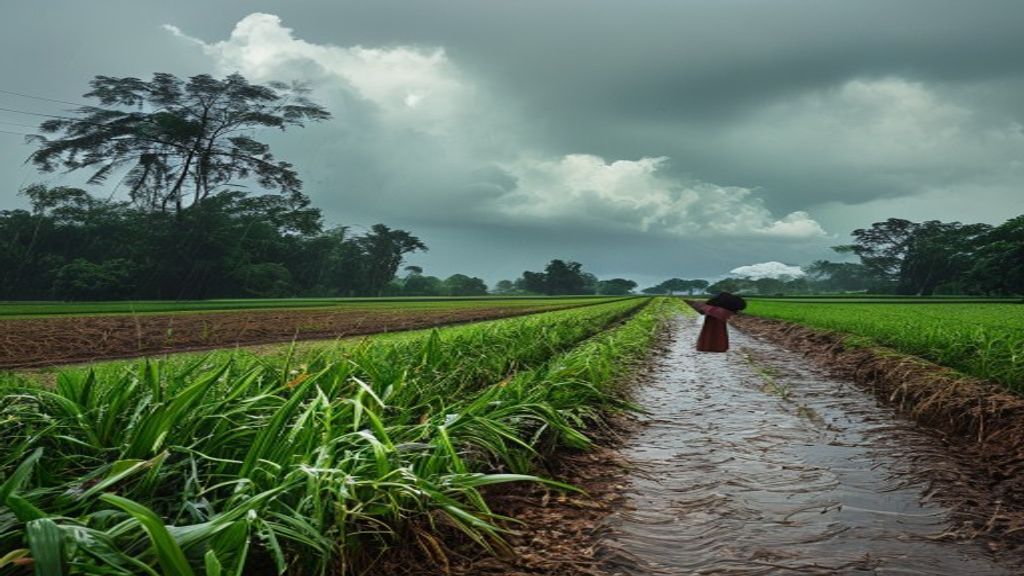
India's agricultural sector is bracing for potential challenges as the India Meteorological Department (IMD) predicts a below normal monsoon for the upcoming season. This forecast comes amid growing concerns about the El Nino phenomenon, which is expected to impact rainfall patterns significantly. The IMD has indicated that rainfall is likely to reach only 92% of the long period average, raising alarms about the possibility of deficient rains across the country.
Impact of El Nino on Monsoon Forecast
The El Nino phenomenon has long been associated with changes in weather patterns, particularly in India. As a result, the IMD's prediction of a below normal monsoon raises concerns for farmers who rely heavily on consistent rainfall for their crops. The agency's forecast suggests that the southwest monsoon may not deliver the expected precipitation levels, which could lead to adverse effects on agricultural productivity.
Furthermore, the IMD has highlighted that the probability of experiencing deficient rainfall is higher this year. This situation could exacerbate existing challenges in the agricultural sector, particularly for regions that depend on the monsoon for irrigation. Farmers are now faced with the daunting task of preparing for a season that may not provide the necessary water supply for their crops.
Historical Context of Monsoon Variability
Historically, the Indian monsoon has shown considerable variability, influenced by various climatic factors, including El Nino. The IMD's current prediction of a below normal monsoon aligns with past occurrences where El Nino conditions have led to reduced rainfall. In previous years, similar forecasts have resulted in significant agricultural losses, prompting concerns about food security and economic stability.
In addition, the impact of a below normal monsoon extends beyond immediate agricultural concerns. It can affect water supply for drinking and sanitation, leading to broader implications for public health. As a result, understanding the historical context of monsoon variability is crucial for policymakers and farmers alike.
Regional Implications of Below Normal Monsoon
The implications of a below normal monsoon will vary across different regions of India. Some areas may experience more severe impacts than others, depending on their reliance on monsoon rains for agriculture. For instance, states like Punjab and Haryana, which are major contributors to India's food grain production, could face significant challenges if rainfall falls short of expectations.
Moreover, regions that are already experiencing water scarcity may find the situation exacerbated by a below normal monsoon. Farmers in these areas may need to explore alternative irrigation methods or crop choices to mitigate the effects of insufficient rainfall. As a result, the agricultural landscape in India may undergo significant changes in response to the forecasted weather patterns.
Government Response and Mitigation Strategies
In light of the IMD's prediction of a below normal monsoon, the Indian government is likely to implement various mitigation strategies. These may include providing financial assistance to farmers, promoting drought-resistant crop varieties, and enhancing irrigation infrastructure. By taking proactive measures, the government aims to support farmers and ensure food security despite the challenges posed by the monsoon forecast.
Furthermore, agricultural experts are advocating for increased awareness and education among farmers regarding climate resilience. By equipping farmers with the knowledge to adapt to changing weather patterns, the agricultural sector can better withstand the impacts of a below normal monsoon.
Future Outlook for the Agricultural Sector
Looking ahead, the agricultural sector must prepare for the potential consequences of a below normal monsoon. This includes not only immediate adjustments to farming practices but also long-term strategies for sustainability. As climate change continues to influence weather patterns, farmers and policymakers must work together to develop adaptive measures.
In addition, ongoing research into the effects of El Nino on monsoon patterns will be crucial. Understanding these dynamics can help improve forecasting accuracy and inform better decision-making for the agricultural community. As the season approaches, the focus will remain on monitoring weather developments and implementing strategies to mitigate the risks associated with a below normal monsoon.
Source: