Balen Accepts PM Modi’s Invitation for Historic Visit to India
NewsBalen Accepts PM Modi's Invitation for Historic Visit to India
Balen's acceptance of PM Modi's invitation marks a significant diplomatic milestone for both nations.
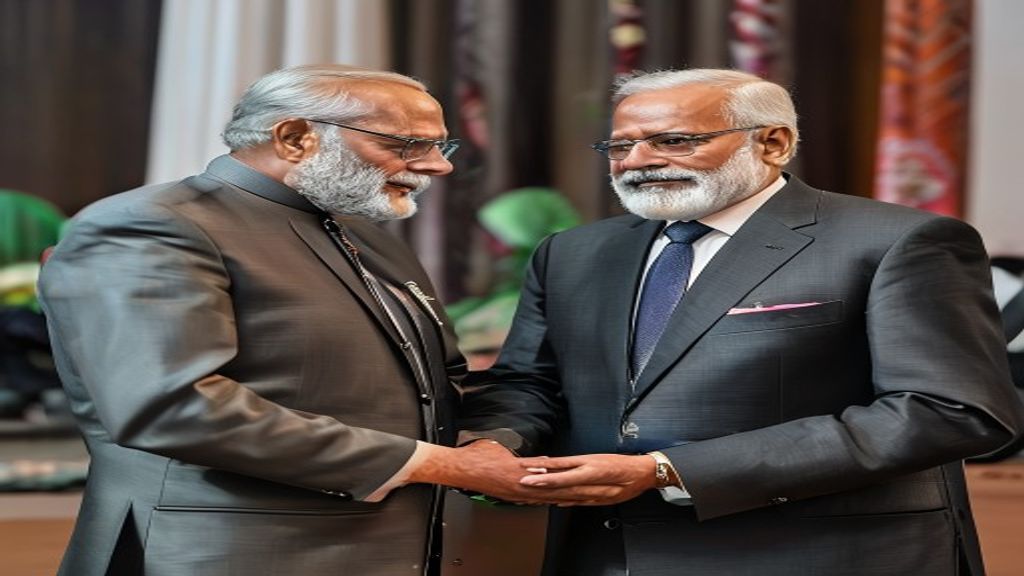
In a significant diplomatic move, Balen has accepted Prime Minister Modi's invitation to visit India. This visit is set to strengthen ties between the two nations and is expected to take place in the coming months. The Balen visit to India represents a pivotal moment in international relations, highlighting the importance of collaboration and dialogue.
Significance of the Balen Visit to India
The Balen visit to India is not just a ceremonial event; it holds substantial significance for both countries. This visit aims to enhance bilateral relations, focusing on trade, culture, and technology. As global dynamics shift, such visits become crucial for fostering mutual understanding and cooperation.
Furthermore, the timing of this visit aligns with ongoing discussions about economic partnerships. Both nations are eager to explore new avenues for collaboration, particularly in sectors like renewable energy and digital innovation. This visit could pave the way for future agreements that benefit both economies.
Key Objectives of the Visit
During the Balen visit to India, several key objectives will be on the agenda. First, enhancing trade relations is a primary focus. Both leaders are expected to discuss ways to increase trade volume and reduce barriers that hinder economic growth.
In addition, cultural exchange will play a vital role in the discussions. By promoting cultural ties, both nations can foster a deeper understanding of each other's values and traditions. This aspect of the visit aims to strengthen people-to-people connections, which are essential for long-term diplomatic relations.
Anticipated Outcomes of the Balen Visit
The anticipated outcomes of the Balen visit to India are promising. Experts believe that this visit could lead to a series of agreements that enhance cooperation in various fields. For instance, sectors such as education and technology are likely to see new partnerships formed.
Moreover, the visit is expected to boost tourism between the two nations. By highlighting cultural landmarks and shared heritage, both countries can attract more visitors. This increase in tourism can significantly benefit local economies and promote cultural understanding.
Historical Context of India-Balen Relations
Understanding the historical context of India-Balen relations is essential. Over the years, both nations have engaged in various diplomatic efforts to strengthen ties. The Balen visit to India marks a new chapter in this ongoing relationship, emphasizing the importance of dialogue and collaboration.
Historically, both nations have shared common interests in areas such as trade and cultural exchange. This visit serves as a reminder of the potential that exists for deeper cooperation. As both leaders engage in discussions, they will likely reflect on past achievements while looking forward to future opportunities.
Public and Political Reactions
The announcement of the Balen visit to India has generated significant public and political reactions. Many citizens express optimism about the potential benefits of this visit. They believe that stronger ties could lead to improved economic conditions and cultural exchanges.
Politically, leaders from various parties have voiced their support for the visit. They recognize the importance of international diplomacy in addressing global challenges. This visit is seen as a step toward fostering a more collaborative international environment.
Next Steps Following the Visit
Following the Balen visit to India, several next steps are anticipated. Both nations will likely work on implementing the agreements reached during the discussions. This process will involve collaboration between various government agencies and stakeholders.
Additionally, public engagement will be crucial in maintaining momentum. Both governments may initiate campaigns to inform citizens about the outcomes of the visit. By doing so, they can foster a sense of shared ownership in the diplomatic process and encourage further collaboration in the future.
Source: