PM Modi Hails Historic Moment as Parliament Prepares Women’s Bill
NewsPM Modi Hails Historic Moment as Parliament Prepares Women's Bills
Prime Minister Modi emphasizes the significance of women's bills in Parliament's agenda for equality and empowerment.
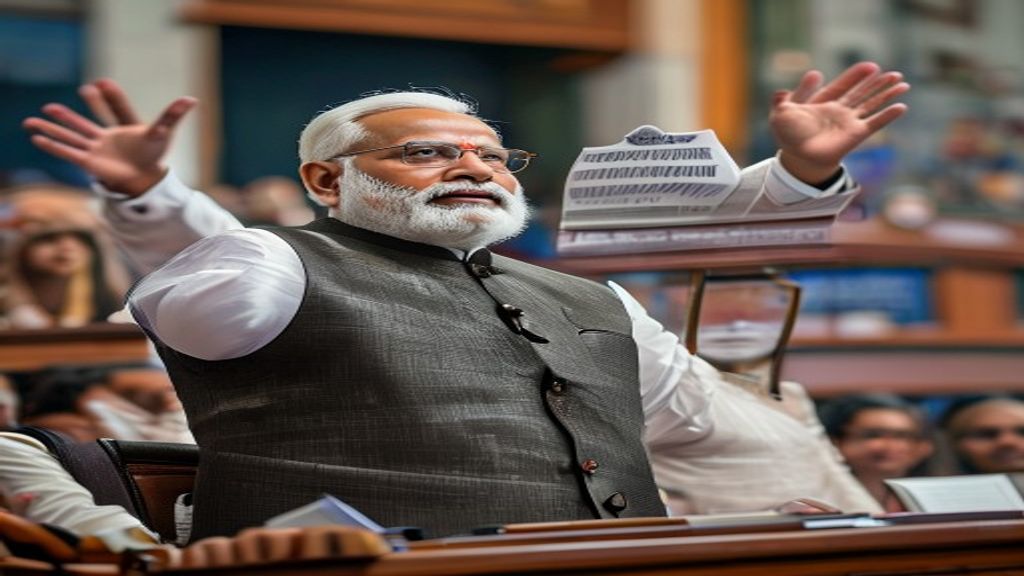
Prime Minister Narendra Modi announced a historic moment for India as Parliament prepares to discuss women's bills aimed at enhancing gender equality. This significant event is set to take place during the upcoming parliamentary session, which begins next week. The focus on women's bills reflects the government's commitment to empowering women and addressing longstanding issues of gender disparity in the country.
Importance of Women's Bills in Parliament
The introduction of women's bills in Parliament marks a pivotal step towards achieving gender equality in India. These legislative measures aim to provide women with better representation and rights in various sectors, including politics, employment, and education. By prioritizing women's issues, the government seeks to create a more inclusive society where women can thrive and contribute to national development.
Furthermore, the discussion surrounding these bills comes at a crucial time when women's rights and safety are under global scrutiny. The government's initiative to address these issues through legislation demonstrates its recognition of the need for systemic change. As a result, the upcoming parliamentary session is expected to draw significant attention from both lawmakers and the public.
Key Features of the Proposed Women's Bills
The proposed women's bills encompass a range of provisions designed to enhance women's rights and opportunities. One of the key features includes measures to increase women's representation in legislative bodies. This initiative aims to ensure that women's voices are heard in decision-making processes that affect their lives.
In addition, the bills propose stricter penalties for crimes against women, addressing safety concerns that have plagued the nation. These measures reflect a growing awareness of the need to protect women from violence and discrimination. By implementing these changes, the government hopes to foster a safer environment for women across India.
Government's Commitment to Gender Equality
Prime Minister Modi reiterated the government's unwavering commitment to gender equality during a recent address. He emphasized that the passage of women's bills is not just a legislative formality but a moral imperative for the nation. The Prime Minister's remarks highlight the government's recognition of the vital role women play in society and the economy.
Moreover, the government's focus on women's empowerment aligns with global trends advocating for gender equality. As countries around the world strive to improve women's rights, India aims to position itself as a leader in this movement. The upcoming parliamentary session will be a crucial platform for advancing these goals.
Public Response to Women's Bills
The public response to the proposed women's bills has been overwhelmingly positive. Advocacy groups and women's rights organizations have expressed their support for the government's initiatives. Many believe that these bills will pave the way for a more equitable society where women can access the same opportunities as men.
However, some critics argue that the implementation of these bills must be closely monitored to ensure their effectiveness. They stress the importance of not only passing legislation but also enforcing it rigorously. As a result, the government faces the challenge of translating these bills into tangible benefits for women across the country.
Next Steps for Parliament
As Parliament gears up for the discussion of women's bills, lawmakers are preparing to engage in meaningful debates. The upcoming session will provide an opportunity for representatives to voice their opinions and contribute to shaping the future of women's rights in India.
Furthermore, the government plans to hold consultations with various stakeholders, including civil society organizations, to gather input on the proposed legislation. This collaborative approach aims to ensure that the bills address the diverse needs of women from different backgrounds.
The Global Context of Women's Empowerment
The focus on women's bills in India is part of a broader global movement towards gender equality. Countries worldwide are recognizing the importance of empowering women and addressing issues such as violence, discrimination, and economic inequality.
In this context, India's commitment to advancing women's rights through legislation is significant. It not only reflects the nation's dedication to social justice but also positions India as a proactive participant in the global dialogue on women's empowerment. As the parliamentary session approaches, the world will be watching how India navigates this critical moment in its legislative history.
Source: