Supreme Court Affirms Right to Vote for Indian Citizens Born in In
NewsSupreme Court Affirms Right to Vote for Indian Citizens Born in India
Supreme Court emphasizes the importance of electoral participation for citizens born in India.
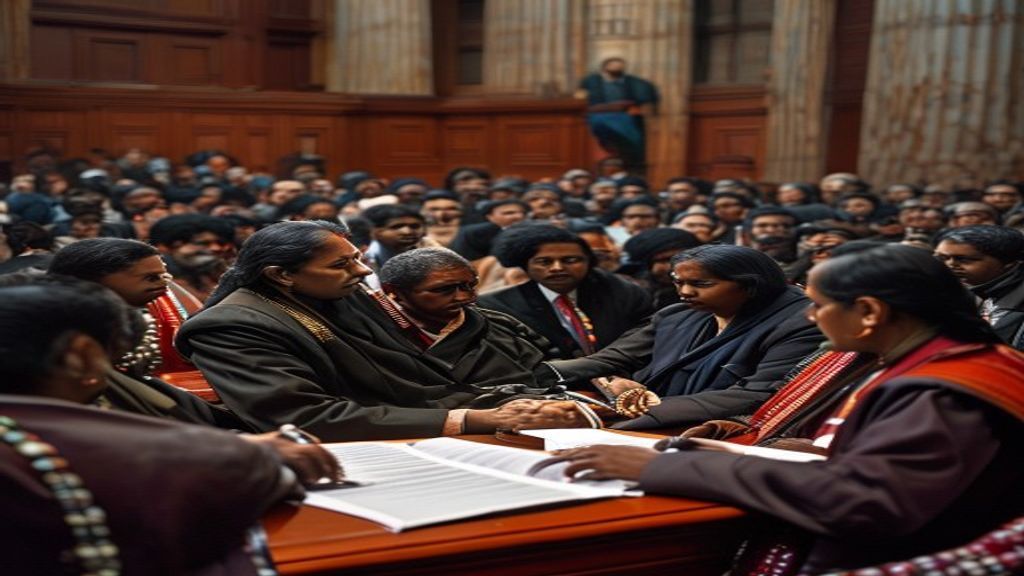
The Supreme Court of India has reaffirmed the right to vote for individuals born in India, highlighting their constitutional entitlement to remain on the electoral roll. This significant ruling underscores the importance of electoral participation and the need for accurate voter lists. The court's decision came during a recent hearing, where it emphasized that citizens must have their voting rights protected, especially in light of potential discrepancies in voter registrations.
Importance of the Right to Vote
The right to vote is a fundamental aspect of democracy. It empowers citizens to influence government decisions and policies. The Supreme Court's ruling reinforces this principle, stating that every person born in India possesses an inherent right to be included on the electoral roll. This ruling aims to ensure that all eligible voters can participate in elections without facing unjust barriers.
Furthermore, the court indicated that it would closely examine election results, particularly in cases where victory margins are narrow and voter deletions are significant. This scrutiny aims to maintain the integrity of the electoral process and protect the rights of citizens. By addressing these concerns, the Supreme Court is taking steps to uphold democratic values and ensure fair elections.
Scrutiny of Voter Lists
The Supreme Court's decision also highlights the necessity of scrutinizing older voter lists. Many citizens may find themselves removed from the electoral roll due to outdated information or administrative errors. The court's stance suggests that if there are high rates of voter deletions, it could warrant a re-evaluation of election outcomes.
In addition, the court's emphasis on reviewing voter lists aims to prevent disenfranchisement. Citizens must have access to accurate and up-to-date information regarding their voting status. This ensures that everyone eligible to vote can exercise their right without hindrance.
Legal Implications of the Ruling
The ruling by the Supreme Court carries significant legal implications for electoral processes in India. It sets a precedent for how voter eligibility is determined and maintained. As a result, election authorities may need to implement more rigorous checks and balances to ensure that all eligible voters are accurately represented on the electoral roll.
Moreover, the court's decision may prompt legislative changes to strengthen voter rights. Lawmakers could introduce measures to simplify the process of registering to vote and updating voter information. This would enhance the overall electoral experience for citizens and promote higher voter turnout.
Voter Participation and Democracy
Voter participation is crucial for a thriving democracy. The Supreme Court's ruling serves as a reminder of the importance of every citizen's voice in the electoral process. By affirming the right to vote for those born in India, the court encourages greater civic engagement and participation in governance.
As a result, this ruling may inspire citizens to take an active role in their democracy. Increased awareness of voting rights can lead to higher turnout rates in elections, ultimately strengthening the democratic fabric of the nation. Citizens must understand their rights and the importance of their participation in shaping the future of their country.
Future of Electoral Reforms
Looking ahead, the Supreme Court's ruling may catalyze further electoral reforms in India. Authorities may need to address the challenges of maintaining accurate voter lists and ensuring that all eligible citizens can vote. This could involve adopting new technologies and methods for voter registration and verification.
Furthermore, the ruling may lead to increased public discourse on the importance of voting rights. Advocacy groups and civil society organizations could play a vital role in educating citizens about their rights and the electoral process. By fostering a culture of informed voting, India can enhance its democratic practices and ensure that every citizen's voice is heard.
Conclusion
The Supreme Court's affirmation of the right to vote for individuals born in India is a landmark decision that underscores the importance of electoral participation. By emphasizing the need for accurate voter lists and protecting citizens' rights, the court is taking significant steps to uphold democracy in India. As the nation moves forward, this ruling may pave the way for essential reforms that enhance the electoral process and empower citizens to engage actively in their governance.
Source: