Jallianwala Bagh Massacre: A Turning Point in India’s History
NewsJallianwala Bagh Massacre: A Turning Point in India's History
Remembering the Jallianwala Bagh massacre: A pivotal moment in India's fight for freedom
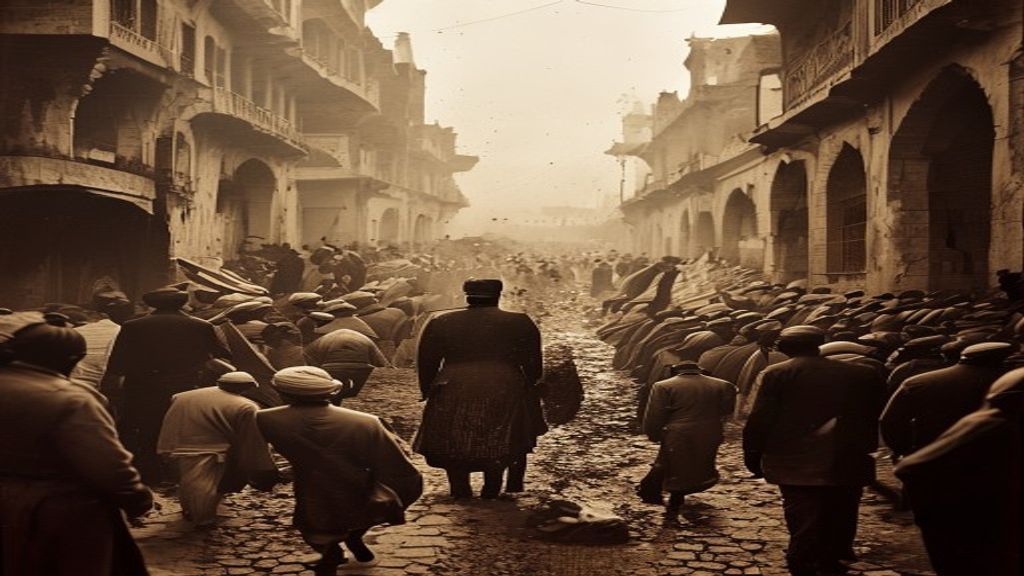
On April 13, 1919, the Jallianwala Bagh massacre marked a tragic chapter in India's history when British troops opened fire on unarmed civilians in Amritsar. This brutal event, driven by oppressive colonial policies, sparked outrage and fueled the Indian independence movement. The Jallianwala Bagh massacre remains a haunting reminder of the sacrifices made for freedom and the importance of collective memory in shaping national identity.
The Historical Context of the Jallianwala Bagh Massacre
The Jallianwala Bagh massacre occurred against a backdrop of growing discontent in India. British colonial rule had imposed severe restrictions on civil liberties, leading to widespread unrest. The Rowlatt Act of 1919, which allowed for the arrest of individuals without trial, intensified public anger. On that fateful day, thousands gathered at Jallianwala Bagh to protest these oppressive measures, unaware of the impending tragedy.
Furthermore, the British response to the protests was brutal. General Dyer, the officer in charge, ordered his troops to fire into the crowd without warning. The massacre resulted in the deaths of hundreds, with
Source: