Jallianwala Bagh Massacre: A Turning Point in India’s Freedom Str
NewsJallianwala Bagh Massacre: A Turning Point in India's Freedom Struggle
Remembering the Jallianwala Bagh massacre, a pivotal moment in India's fight for independence.
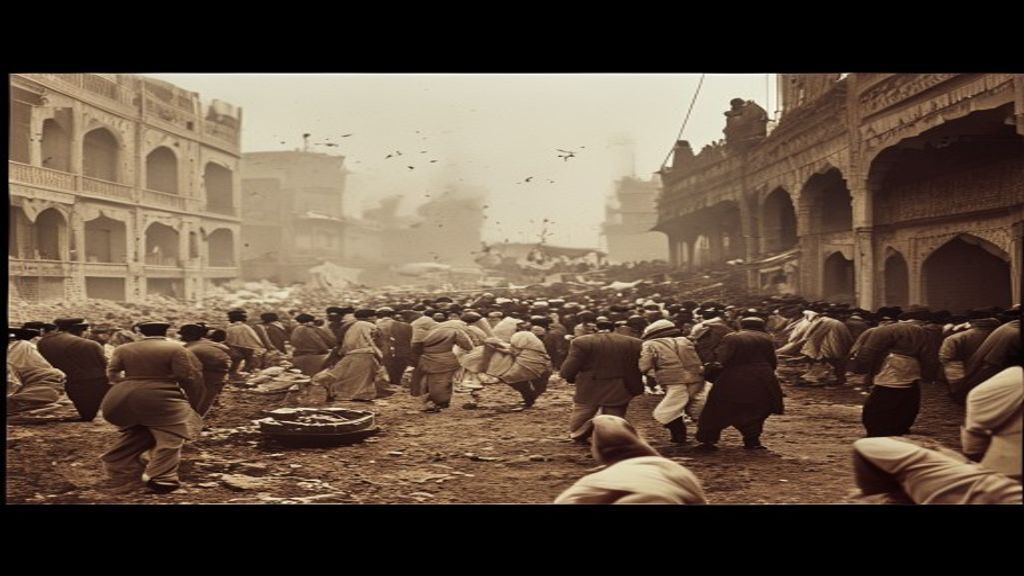
On April 13, 1919, the Jallianwala Bagh massacre marked a tragic turning point in India's freedom struggle. British forces opened fire on a large gathering of unarmed civilians in Amritsar, Punjab, resulting in a horrific loss of life. This brutal act of violence, driven by oppressive colonial policies, ignited widespread outrage and became a catalyst for India's quest for independence.
The Historical Context of the Jallianwala Bagh Massacre
The Jallianwala Bagh massacre occurred against a backdrop of rising tensions between the British colonial government and Indian citizens. The Rowlatt Act of 1919, which allowed for the arrest and detention of Indians without trial, fueled discontent. Many Indians viewed this legislation as a direct attack on their rights and freedoms.
Furthermore, the atmosphere in India was charged with nationalistic fervor. Leaders like Mahatma Gandhi were advocating for non-violent resistance against British rule. The Jallianwala Bagh massacre, therefore, was not just an isolated incident; it was a culmination of years of frustration and anger towards colonial oppression.
The Events of April 13, 1919
On that fateful day, thousands of people gathered at Jallianwala Bagh to protest against the Rowlatt Act. The gathering included men, women, and children, all seeking to express their dissent peacefully. However, Brigadier General Reginald Dyer, the British officer in charge, viewed this assembly as a threat.
In a shocking display of force, Dyer ordered his troops to open fire on the crowd without warning. The gunfire lasted for approximately ten minutes, resulting in the deaths of hundreds and injuring many more. This brutal act shocked the nation and drew international condemnation, highlighting the extreme measures the British were willing to take to maintain control.
The Aftermath of the Jallianwala Bagh Massacre
The
Source: