Nepal PM Balen Shah Accepts Modi’s Invite Amid Governance Reforms
NewsNepal PM Balen Shah Accepts Modi's Invite Amid Governance Reforms
Balen Shah's governance agenda targets VIP culture and public service delays while accepting Modi's invitation to India.
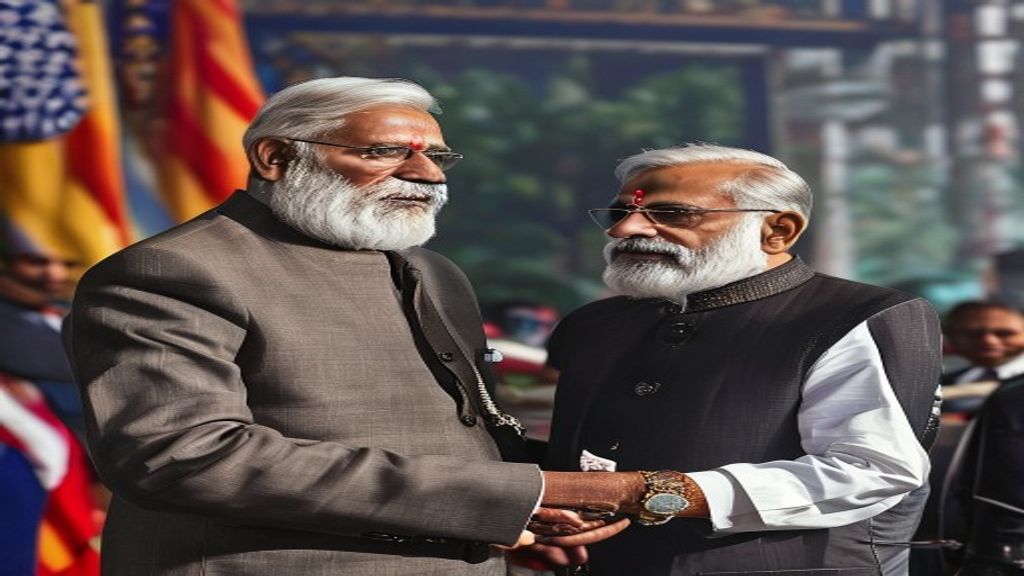
Nepal Prime Minister Balen Shah has officially accepted an invitation from Indian Prime Minister Narendra Modi to visit India. This announcement comes as Shah introduces a comprehensive 100-point governance agenda aimed at tackling the pervasive VIP culture in Nepal. The reforms also focus on reducing political interference in educational institutions and bureaucracy, enhancing public service efficiency, and expanding free healthcare for the underprivileged.
Governance Reforms in Nepal
Balen Shah's governance agenda represents a significant shift in Nepal's political landscape. The Prime Minister aims to address long-standing issues that have hindered the country's development. By prioritizing the reduction of VIP culture, Shah seeks to create a more equitable society where all citizens receive fair treatment. This initiative is particularly relevant in a country where political elites often enjoy privileges that ordinary citizens do not.
Furthermore, the agenda includes measures to cut delays in public services, which have been a source of frustration for many Nepalese. By streamlining processes and reducing bureaucratic red tape, the government hopes to improve the efficiency of public service delivery. This focus on governance reform is expected to resonate well with the citizens, who have long demanded accountability and transparency from their leaders.
Enhancing Public Services
In addition to tackling VIP culture, Balen Shah's agenda emphasizes the need for improved public services. The Prime Minister has outlined plans to enhance free healthcare for the poor, ensuring that vulnerable populations have access to essential medical services. This initiative is crucial in a country where healthcare disparities often leave the underprivileged without necessary support.
Moreover, Shah's administration aims to improve women's safety in public transport. This focus on safety is vital for empowering women and ensuring their active participation in society. By addressing these issues, the government hopes to foster a more inclusive environment for all citizens.
Education and Academic Pressure
Another critical aspect of Balen Shah's governance agenda is the reduction of academic pressure on young children. The Prime Minister recognizes that excessive academic demands can lead to stress and burnout among students. As a result, his administration plans to implement reforms that promote a balanced approach to education.
In addition, the agenda seeks to minimize political interference in educational institutions. By creating an independent educational framework, the government aims to ensure that academic institutions can operate without undue influence. This approach will help foster a more conducive learning environment for students across Nepal.
The Significance of Modi's Invitation
Balen Shah's acceptance of Narendra Modi's invitation to visit India holds significant diplomatic implications. This visit is expected to strengthen bilateral relations between Nepal and India, two countries with deep historical ties. The meeting will provide an opportunity for both leaders to discuss various issues, including trade, security, and regional cooperation.
Furthermore, Shah's visit to India may also serve as a platform to showcase his governance agenda. By highlighting his commitment to reform, he can garner support from international partners and attract investment to Nepal. Strengthening ties with India could also lead to collaborative efforts in addressing common challenges faced by both nations.
Public Response to Governance Reforms
The public response to Balen Shah's governance reforms has been largely positive. Many citizens express hope that these initiatives will lead to tangible improvements in their daily lives. The focus on reducing VIP culture and enhancing public services resonates with a population eager for change.
However, some skeptics question whether these reforms will be effectively implemented. They emphasize the need for accountability and transparency in the government's actions. As a result, it will be crucial for Shah's administration to maintain open communication with the public and demonstrate progress on these initiatives.
Future Prospects for Nepal
Looking ahead, Balen Shah's governance agenda has the potential to reshape Nepal's political landscape. By prioritizing reforms that address VIP culture, public service efficiency, and educational pressures, the Prime Minister aims to create a more just and equitable society. The upcoming visit to India may further bolster these efforts by fostering international collaboration and support.
In conclusion, the acceptance of Modi's invitation and the unveiling of the governance agenda mark a pivotal moment for Nepal. As Balen Shah embarks on this journey of reform, the eyes of the nation remain fixed on the outcomes of these initiatives and their impact on the future of Nepal.
Source: