Umar Khalid Appeals SC Verdict Denying Bail, Seeks Open Hearing
NewsUmar Khalid Appeals SC Verdict Denying Bail, Seeks Open Hearing
Khalid's legal team requests a review of the Supreme Court's decision on his bail in a high-profile case.
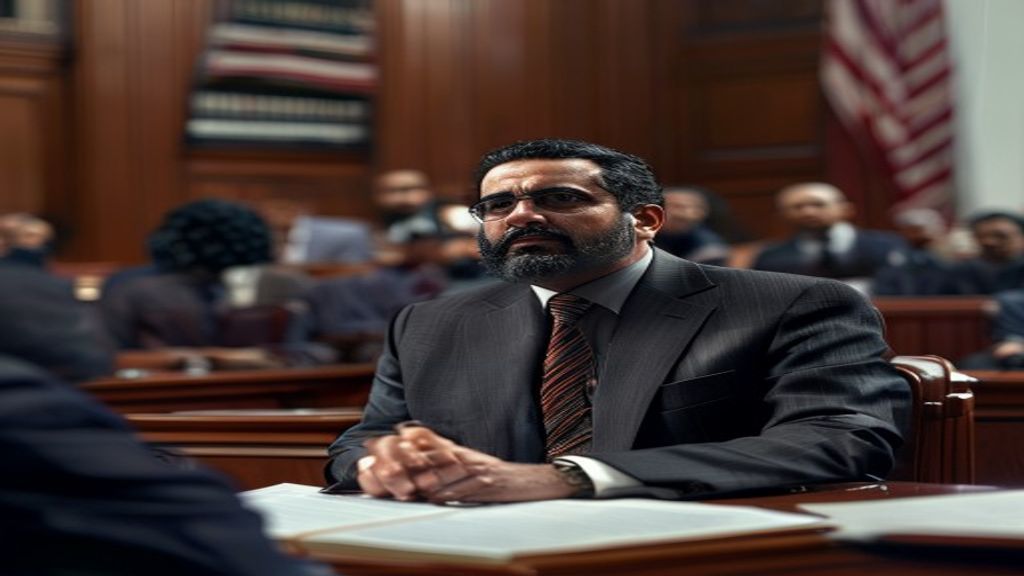
Umar Khalid, a prominent activist, has filed an appeal seeking a review of the Supreme Court's recent verdict that denied him bail. This legal move comes as Khalid aims for an open-court hearing regarding the charges against him. The appeal highlights significant concerns about the implications of the court's decision on Khalid's rights and the broader context of civil liberties in India.
Background on Umar Khalid's Case
Umar Khalid has been embroiled in legal battles since his arrest in connection with the Delhi riots of 2020. The Supreme Court's ruling, which denied him bail, has raised eyebrows among legal experts and human rights advocates. Khalid's legal team argues that the decision undermines the principles of justice and due process. They emphasize that the charges against him lack substantial evidence and are politically motivated.
Furthermore, Khalid's case has become a focal point in discussions about freedom of expression and dissent in India. Activists believe that the government's actions against Khalid reflect a broader trend of suppressing voices that challenge the status quo. As a result, the appeal for bail is not just about Khalid's freedom; it symbolizes a fight for civil rights in the country.
Legal Grounds for the Bail Appeal
Khalid's legal team is basing their appeal on several key legal arguments. They contend that the Supreme Court's decision did not adequately consider the evidence presented during the bail hearing. In addition, they argue that the court failed to recognize the potential for a fair trial being compromised due to pre-trial detention.
Moreover, the legal team points out that the lengthy detention of Khalid could lead to irreparable harm to his mental and physical health. They assert that the right to a fair trial includes the right to be free from prolonged detention without sufficient cause. This appeal aims to address these critical issues and seek justice for Khalid.
Implications of the Supreme Court's Ruling
The Supreme Court's ruling on Khalid's bail has significant implications for the legal landscape in India. It raises questions about the balance between national security and individual rights. Critics argue that the decision sets a dangerous precedent for future cases involving dissenters and activists.
In addition, the ruling has sparked widespread protests and discussions among civil society groups. Many view the denial of bail as an attempt to silence dissenting voices. As a result, Khalid's appeal is not only a personal battle but also a reflection of the ongoing struggle for justice and freedom in India.
Public and Political Reactions
The public response to Khalid's bail appeal has been mixed. Supporters of Khalid have rallied behind him, calling for his immediate release. They argue that his activism is rooted in a desire for justice and equality. On the other hand, some political factions view Khalid's actions as a threat to national integrity.
Furthermore, prominent figures in the legal community have expressed concern over the implications of the Supreme Court's decision. They emphasize the need for a transparent judicial process that upholds the rights of all individuals, regardless of their political beliefs. This ongoing discourse highlights the critical intersection of law, politics, and civil rights in India.
Next Steps in the Legal Process
As Khalid's legal team prepares for the next steps in the appeal process, they are focused on gathering additional evidence and testimonies. They aim to present a compelling case that underscores the need for an open-court hearing. This approach seeks to ensure that the proceedings are transparent and that Khalid's rights are protected.
Meanwhile, the legal community is closely monitoring the developments in this high-profile case. The outcome of Khalid's appeal could have far-reaching consequences for similar cases in the future. As such, the stakes are high, and the implications of this appeal extend beyond Khalid himself.
The Broader Context of Civil Rights in India
Khalid's bail appeal is situated within a larger narrative about civil rights in India. Activists and legal experts are increasingly concerned about the erosion of democratic freedoms. The treatment of Khalid and others like him raises alarms about the state of dissent in the country.
In addition, the case has sparked a renewed interest in the role of the judiciary in protecting individual rights. Many are calling for reforms to ensure that the legal system remains a bastion of justice. Khalid's appeal serves as a critical reminder of the ongoing struggle for civil liberties in India, emphasizing the need for vigilance and advocacy in the face of adversity.
Source: