Sonia Gandhi Critiques Women’s Quota Bill as Constitutional Assau
NewsSonia Gandhi Critiques Women's Quota Bill as Constitutional Assault
Sonia Gandhi labels the government's approach to women's reservation as dangerous and politically motivated.
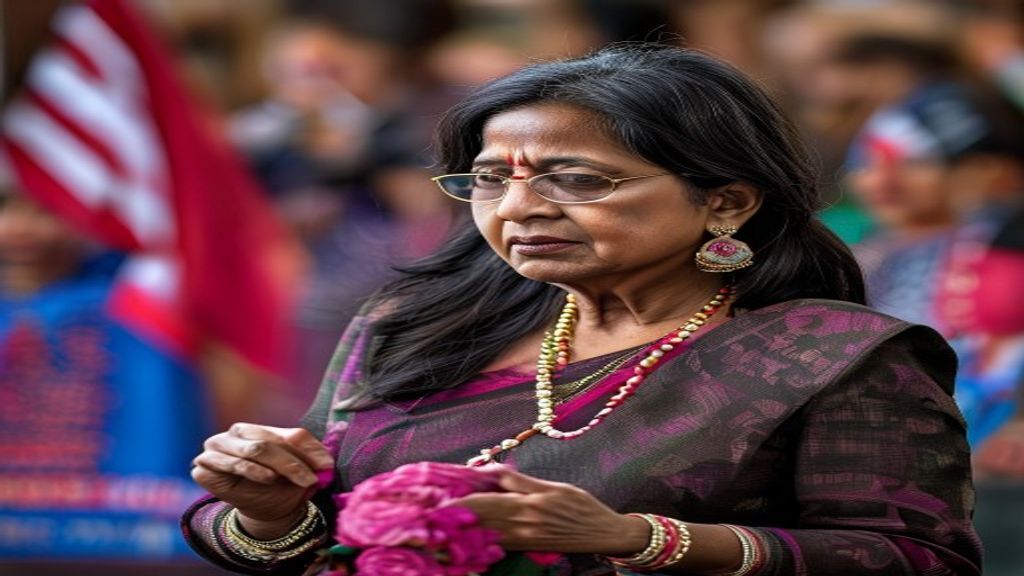
Sonia Gandhi has publicly criticized the Women's quota bill, calling it a "deeply flawed" initiative that undermines the Constitution. During a recent statement, she emphasized that the government's focus on delimitation rather than genuine women's reservation is the "real issue" behind the special Parliament session. This approach, she argues, poses a significant threat to democratic principles and the rights of women in India.
Gandhi's remarks come amid growing concerns regarding the government's intentions with the Women's quota bill. She believes that the rushed implementation of this legislation is primarily aimed at political gain rather than addressing the actual needs of women. By labeling the bill as "hollow" and "anti-democratic," she highlights the potential dangers of prioritizing political agendas over meaningful reforms.
Concerns Over the Women's Quota Bill
The Women's quota bill aims to reserve a certain percentage of seats for women in Parliament and state legislatures. However, Sonia Gandhi argues that the bill fails to address the underlying issues affecting women's representation. She believes that without a comprehensive approach to women's empowerment, the bill merely serves as a superficial solution.
Furthermore, Gandhi points out that the government's focus on delimitation distracts from the pressing need for genuine women's reservation. She asserts that this shift in focus is not only misleading but also detrimental to the progress of women's rights in India. As a result, many advocates for women's empowerment are left questioning the true intentions behind the legislation.
Political Implications of the Bill
The political implications of the Women's quota bill are significant. Critics argue that the government's approach may lead to further marginalization of women rather than enhancing their representation. Sonia Gandhi's critique underscores the need for a more thoughtful and inclusive strategy that genuinely supports women's rights.
In addition, Gandhi's comments reflect a broader concern about the political landscape in India. The rush to implement the Women's quota bill may be seen as an attempt to divert attention from other pressing issues. This tactic could ultimately undermine the credibility of the government and its commitment to women's empowerment.
The Need for Genuine Women's Empowerment
Sonia Gandhi emphasizes that true women's empowerment goes beyond mere representation in legislative bodies. It requires addressing systemic issues such as education, healthcare, and economic opportunities for women. The Women's quota bill, in its current form, does not adequately tackle these critical areas.
Moreover, Gandhi argues that the government must prioritize policies that support women's rights and provide them with the necessary tools to succeed. This includes investing in education and vocational training programs that empower women to participate fully in society. Without these foundational changes, the Women's quota bill may fail to achieve its intended goals.
Public Response to Gandhi's Critique
The public response to Sonia Gandhi's critique of the Women's quota bill has been mixed. Many supporters of women's rights echo her concerns, calling for a more comprehensive approach to women's empowerment. They argue that the government must listen to the voices of women and ensure that their needs are met.
Conversely, some political analysts suggest that the Women's quota bill is a step in the right direction, even if it is not perfect. They argue that any effort to increase women's representation in politics should be welcomed. However, Gandhi's warnings about the potential pitfalls of the bill cannot be ignored.
Future of Women's Representation in India
The future of women's representation in India hinges on the government's ability to address the concerns raised by Sonia Gandhi and other advocates. If the Women's quota bill is to be effective, it must be part of a broader strategy that genuinely empowers women. This includes fostering an environment where women can thrive in all aspects of life.
As discussions around the Women's quota bill continue, it is crucial for policymakers to consider the implications of their decisions. The path forward must prioritize the rights and needs of women, ensuring that they are not merely tokens in a political game but active participants in shaping the future of the nation.
Source: