PM Modi Promises Women’s Reservation Bill to Strengthen Democracy
NewsPM Modi Promises Women's Reservation Bill to Strengthen Democracy
Prime Minister Modi emphasizes the importance of women's representation in government for a stronger democracy.
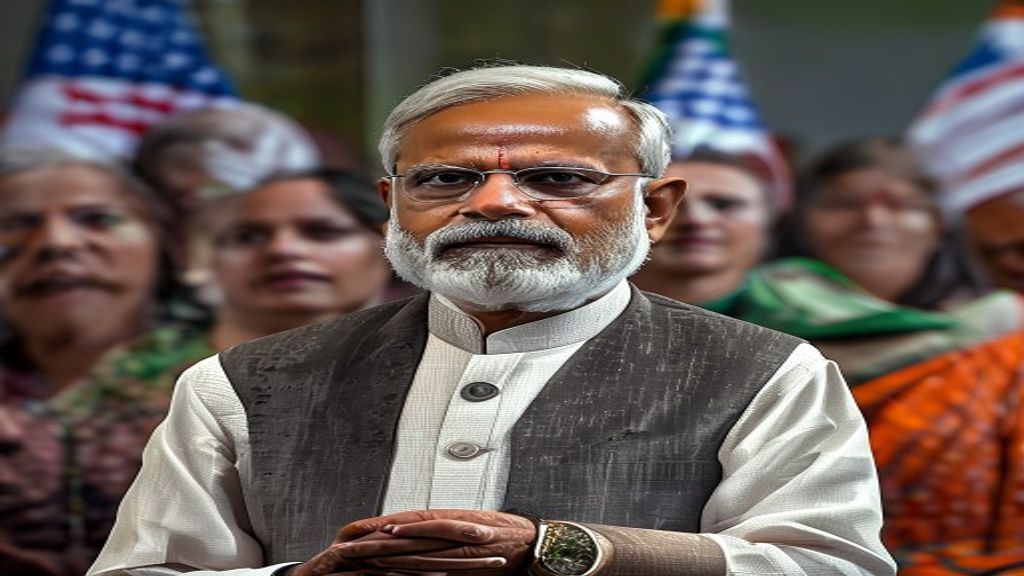
Prime Minister Narendra Modi announced that the Women's Reservation Bill is on the brink of becoming law, a move he believes will significantly strengthen democracy in India. This pivotal legislation aims to reserve one-third of seats for women in the Lok Sabha and state assemblies. Modi made this declaration during a recent address, highlighting the importance of women's representation in governance.
Importance of the Women's Reservation Bill
The Women's Reservation Bill is a landmark initiative that seeks to enhance women's participation in politics. Currently, women hold only a fraction of seats in legislative bodies, which limits their influence on policy-making. By reserving 33% of seats for women, the bill aims to create a more balanced and equitable political landscape.
Furthermore, this bill is expected to empower women across various socio-economic backgrounds. It will provide them with a platform to voice their concerns and contribute to national development. As a result, the Women's Reservation Bill could lead to more inclusive governance and better representation of women's issues in legislative discussions.
Historical Context of Women's Representation
Historically, women's representation in Indian politics has been inadequate. Despite making up nearly half of the population, women have faced numerous barriers to entry in political roles. The Women's Reservation Bill seeks to address these disparities by ensuring that women have a guaranteed presence in legislative assemblies.
Moreover, the bill has been a topic of discussion for several years, with various governments attempting to introduce similar measures. However, it is only now that the bill is on the verge of being enacted. This shift reflects a growing recognition of the need for gender equality in political representation.
Expected Impact on Democracy
The introduction of the Women's Reservation Bill is poised to have a transformative impact on Indian democracy. By increasing women's representation, the bill can lead to more diverse perspectives in decision-making processes. This diversity is crucial for addressing the unique challenges faced by women in society.
In addition, studies have shown that when women participate in politics, there is often a positive correlation with improved governance. Women leaders tend to prioritize issues such as health, education, and social welfare, which can lead to more comprehensive policy-making. Therefore, the Women's Reservation Bill could enhance the overall quality of governance in India.
Challenges Ahead for Implementation
Despite the positive outlook, challenges remain in the implementation of the Women's Reservation Bill. Critics argue that simply reserving seats for women does not guarantee their empowerment. There are concerns about whether women elected through this bill will truly represent the interests of their constituents.
Furthermore, political parties may need to adapt their strategies to accommodate this change. They will have to ensure that women candidates are not only selected but also supported throughout their campaigns. This support is essential for overcoming the societal and cultural barriers that women often face in politics.
Public Support and Reactions
Public reaction to the Women's Reservation Bill has been largely positive. Many citizens and women's rights organizations have expressed their support for the initiative. They believe that this bill is a significant step towards achieving gender equality in India.
Moreover, various political leaders have also voiced their opinions on the bill. Some have praised the government's commitment to women's empowerment, while others have raised concerns about the need for comprehensive measures beyond mere reservation. This ongoing dialogue reflects the importance of the issue in the public consciousness.
Future Prospects for Women in Politics
Looking ahead, the Women's Reservation Bill could pave the way for future reforms aimed at enhancing women's roles in politics. If successful, this initiative may inspire similar measures in other countries, promoting global discussions on gender equality in governance.
In addition, the bill could encourage more women to engage in political activities, fostering a new generation of female leaders. As women gain more visibility in politics, it may lead to a cultural shift that values and prioritizes women's contributions to society. The Women's Reservation Bill is not just a legislative change; it represents a movement towards a more equitable future for all.
Source: