Agnimitra Paul vs Tapas Banerjee: Asansol Becomes Crucial Battlegr
NewsAgnimitra Paul vs Tapas Banerjee: Asansol Becomes Crucial Battleground for Bengal Assembly Elections
The political landscape intensifies as key candidates prepare for a fierce contest in West Bengal.
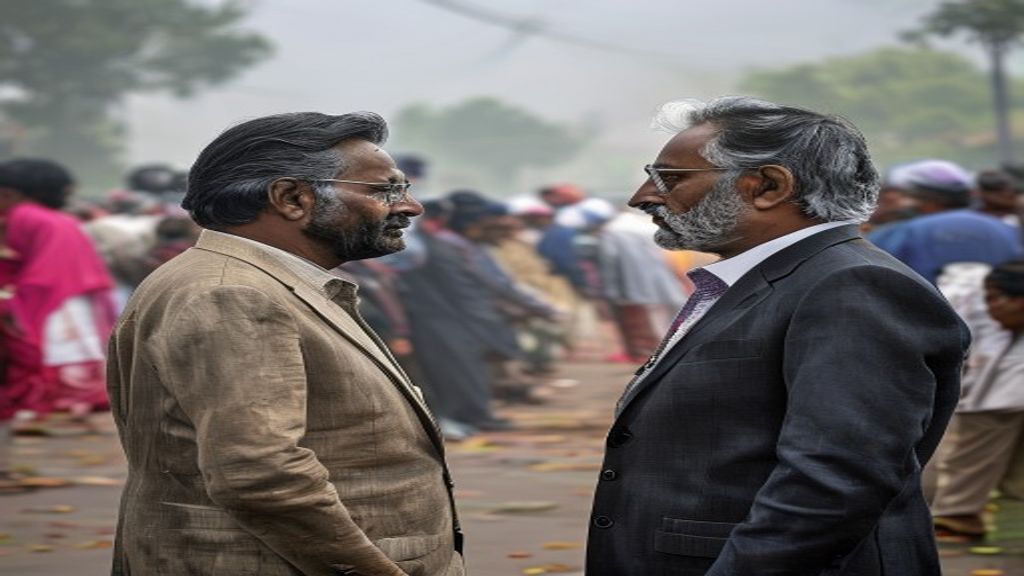
Asansol is gearing up for a significant political showdown as the Bengal assembly elections approach. The contest between Agnimitra Paul of the Bharatiya Janata Party (BJP) and Tapas Banerjee of the Trinamool Congress (TMC) is set to capture the attention of voters and political analysts alike. Both candidates bring unique strengths and challenges to the table, making this constituency a focal point in the upcoming elections.
The Importance of Asansol
Asansol, located in West Bengal's Burdwan district, has a diverse electorate. The constituency has a mix of urban and rural voters, which adds complexity to the political dynamics. Historically, Asansol has been a stronghold for the TMC, but the BJP has made significant inroads in recent years. The 2019 Lok Sabha elections saw the BJP winning a substantial share of votes, indicating a shift in voter sentiment. This shift has made Asansol a key battleground for both parties.
Agnimitra Paul: The BJP's Rising Star
Agnimitra Paul, a prominent face of the BJP in West Bengal, is not new to the political arena. With a background in fashion and acting, Paul has leveraged her public persona to connect with voters. She emphasizes development and governance as her primary campaign themes. Her supporters praise her for her approachable demeanor and commitment to addressing local issues.
Paul's campaign focuses on several key areas. She aims to improve infrastructure, enhance education, and boost employment opportunities in Asansol. Her strategy includes engaging with local communities and addressing their concerns directly. This grassroots approach has resonated with many voters who feel neglected by the current administration.
Moreover, Paul has been vocal about the need for a strong opposition to the TMC's rule. She argues that the BJP can bring about the change that West Bengal desperately needs. Her message of hope and progress is designed to inspire confidence among the electorate.
Tapas Banerjee: The TMC's Veteran Politician
On the other side, Tapas Banerjee represents the TMC, a party that has dominated West Bengal politics for over a decade. Banerjee is an experienced politician with a deep understanding of the local political landscape. His long-standing association with the TMC gives him an edge in terms of party loyalty and organizational support.
Banerjee's campaign centers around continuity and stability. He emphasizes the achievements of the TMC government, particularly in areas like social welfare and infrastructure development. His supporters argue that the TMC has successfully implemented various schemes that have benefited the people of Asansol.
Banerjee also focuses on the importance of maintaining the status quo in the face of rising BJP influence. He warns voters about the potential consequences of a BJP-led government, framing it as a threat to the state's cultural and social fabric. His narrative aims to evoke a sense of pride in the TMC's legacy while rallying support for his candidacy.
The Clash of Campaign Strategies
The contrasting campaign strategies of Paul and Banerjee highlight the broader political battle in West Bengal. While Paul seeks to position herself as a fresh alternative, Banerjee relies on the TMC's established reputation. This dynamic creates a compelling narrative for voters, who must weigh the promise of change against the familiarity of the current administration.
Both candidates are actively engaging with voters through rallies, door-to-door campaigns, and social media outreach. The use of digital platforms has become increasingly important in this election cycle, allowing candidates to reach a wider audience. Paul, in particular, has embraced social media to amplify her message and connect with younger voters.
The Role of Local Issues
Local issues play a crucial role in shaping voter preferences in Asansol. Concerns about unemployment, education, and healthcare are at the forefront of voters' minds. Both candidates are keenly aware of these issues and are tailoring their messages accordingly.
Paul's campaign highlights the need for job creation and skill development programs. She argues that the BJP can bring in new investments that will create employment opportunities for the youth. Her focus on education reform aims to address the shortcomings in the current system, appealing to parents concerned about their children's future.
Banerjee counters by showcasing the TMC's existing initiatives in these areas. He points to successful programs that have already made a difference in the community. His narrative emphasizes the importance of building on these successes rather than starting anew.
Voter Sentiment and Expectations
As the election date approaches, voter sentiment in Asansol remains mixed. Many residents express frustration with the current political climate, feeling that their needs have not been adequately addressed. This sentiment creates an opportunity for both candidates to present themselves as champions of change.
However, loyalty to the TMC remains strong among certain demographics, particularly among long-time party supporters. Banerjee's challenge lies in mobilizing these voters while also appealing to those disillusioned with the status quo. Meanwhile, Paul must work to convert undecided voters and those who may be hesitant to support the BJP.
The Impact of National Politics
The political landscape in West Bengal is also influenced by national trends. The BJP's rise in various states has emboldened its local leaders, including Paul. Conversely, the TMC's ability to maintain its dominance in West Bengal is critical for its national aspirations. The outcome in Asansol could serve as a bellwether for the broader political climate in the state.
Both parties are aware that the stakes are high. The results in Asansol could have implications beyond the constituency, affecting party strategies and alliances in future elections. As the campaigns intensify, the focus will remain on how effectively each candidate can resonate with the electorate.
In summary, the battle for Asansol is shaping up to be a pivotal moment in the Bengal assembly elections. With Agnimitra Paul and Tapas Banerjee at the forefront, voters will soon decide which vision for the future resonates most with them. The outcome will not only impact the candidates but also set the tone for the political landscape in West Bengal for years to come.
Source: