Assam Experiences 4.3 Magnitude Earthquake
NewsAssam Experiences 4.3 Magnitude Earthquake
Tremor Strikes Cachar District Without Immediate Damage Reports
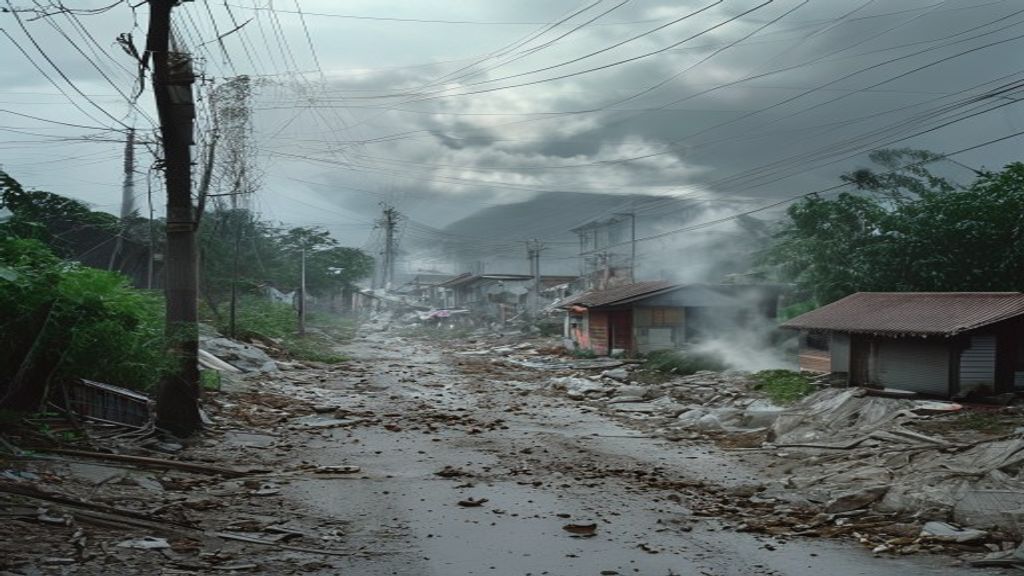
On Sunday morning, Assam was shaken by a magnitude 4.3 earthquake. The tremor occurred at precisely 09:21:58 IST. It originated from a depth of 5 kilometers in Cachar district. The epicenter was located at latitude 24.659°N and longitude 92.763°E.
Residents felt the quake, but there have been no immediate reports of damage or casualties. Local authorities are monitoring the situation closely. They are prepared to respond if necessary.
Earthquakes are not uncommon in this region. Assam lies in a seismically active zone. The northeastern part of India has experienced significant seismic activity in the past. This latest tremor serves as a reminder of the geological volatility in the area.
The Indian Meteorological Department (IMD) is responsible for monitoring seismic activity. They provide timely updates and alerts to the public. Following the earthquake, the IMD reassured residents that they are continuously assessing the situation.
Community response teams are on standby. They are ready to assist if any aftershocks occur. Local officials have urged residents to remain calm. They advise people to stay informed through official channels.
In the aftermath of the quake, many residents reported feeling the ground shake. Some described it as a brief but noticeable jolt. Others expressed concern about the potential for aftershocks.
Emergency services are prepared to conduct assessments in affected areas. They will check for structural damage to buildings and infrastructure. The safety of residents remains a top priority.
The tremor occurred during a time when many people were still at home. This may have contributed to the heightened sense of alarm. However, the absence of immediate reports of damage is reassuring.
Seismologists continue to study the earthquake's impact. They analyze data to understand the tremor's characteristics better. This information is crucial for improving future preparedness.
Public awareness about earthquake safety is essential. Authorities encourage residents to familiarize themselves with safety protocols. Knowing how to respond during an earthquake can save lives.
In addition to immediate safety measures, long-term planning is vital. Urban planners and engineers are working to ensure that buildings can withstand seismic activity. This proactive approach aims to minimize damage in future events.
The region's history of earthquakes highlights the need for ongoing vigilance. Past earthquakes have caused significant destruction. Learning from these events helps improve response strategies.
Local schools and community centers are also involved in preparedness efforts. They conduct drills and educational programs. These initiatives aim to equip residents with the knowledge they need to stay safe.
As the situation develops, officials will continue to provide updates. They emphasize the importance of staying informed. Residents are encouraged to follow local news and heed official advisories.
In summary, the magnitude 4.3 earthquake in Cachar district serves as a reminder of the region's seismic risks. While no immediate damage has been reported, the community remains alert. Preparedness and awareness are key to ensuring safety in the face of natural disasters.
The IMD will keep monitoring seismic activity in the area. They will issue alerts if further tremors occur. Residents are advised to remain cautious and prepared.
As the day progresses, local authorities will assess the situation further. They will ensure that all necessary precautions are in place. The safety and well-being of the community are paramount.
In the coming days, officials will analyze data from the earthquake. This analysis will help improve future response efforts. Understanding the quake's impact is essential for enhancing safety measures.
The community's resilience is evident in their response to the earthquake. Residents are coming together to support one another. This solidarity is crucial in times of uncertainty.
As Assam continues to navigate the aftermath of the tremor, the focus remains on safety and preparedness. The lessons learned from this event will contribute to better future responses.
Source: