Voter Roll Revision Leads to Significant Changes Across 12 States
NewsVoter Roll Revision Leads to Significant Changes Across 12 States and UTs
Over 2 Crore New Voters Added Amidst 5.2 Crore Deletions
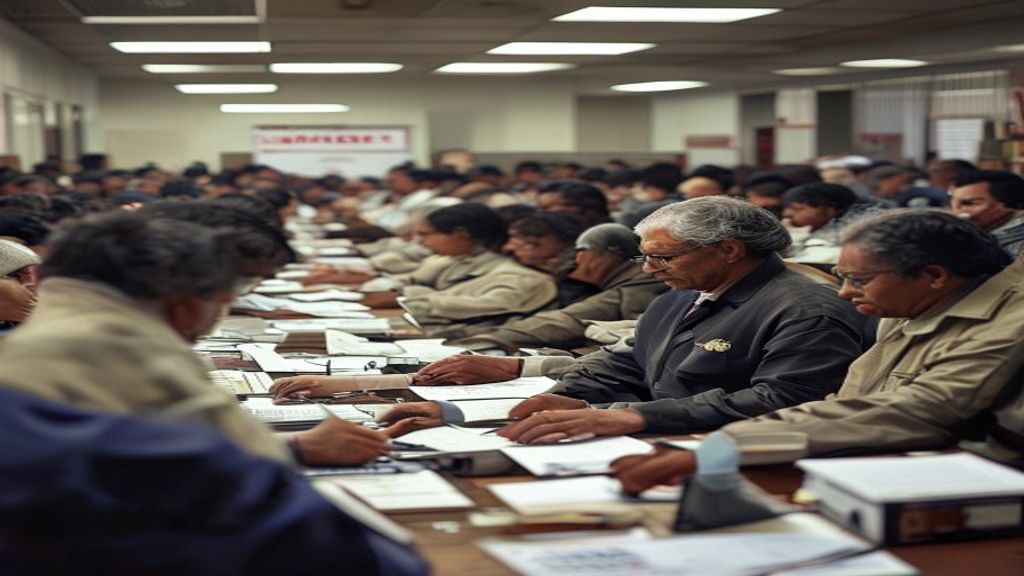
In a recent electoral revision, over 2 crore new voters have been added to the electoral rolls across 12 states and Union Territories (UTs). This extensive process aimed to enhance the accuracy of voter lists and curb instances of fraudulent voting. However, the revision also led to the deletion of nearly 5.2 crore names from the rolls. As a result, the total number of registered electors now stands at 45.8 crore.
The revision process is crucial for maintaining the integrity of the electoral system. It ensures that only eligible voters are included in the electoral rolls. The recent updates reflect a significant effort to purify the voter lists, which is essential for fair elections.
New Voter Registrations
The addition of over 2 crore new voters is a positive development. This influx indicates increased civic engagement and participation in the democratic process. The new registrations were part of an intensive revision campaign that aimed to reach out to eligible voters, particularly young individuals who have recently turned 18.
The Election Commission of India (ECI) undertook various initiatives to encourage voter registration. These included awareness campaigns, outreach programs, and online registration facilities. The efforts appear to have paid off, as many young voters have stepped forward to make their voices heard.
Purification of Voter Lists
While the addition of new voters is encouraging, the deletion of 5.2 crore names raises concerns. This purification process is necessary to ensure that the electoral rolls are accurate and up to date. The deletions primarily involved names of individuals who had either passed away, moved to different locations, or were found to be ineligible to vote.
The ECI conducted thorough checks to identify and remove these names. This meticulous process is vital for preventing bogus voting and ensuring that each vote cast represents a legitimate elector. The high number of deletions underscores the importance of regular updates to the voter lists.
State-Specific Insights
Among the states and UTs involved in this revision, Andaman & Nicobar Islands and Uttar Pradesh recorded the highest percentages of purification. In these regions, the efforts to clean up the electoral rolls were particularly effective. The ECI's targeted approach in these areas has set a benchmark for other states to follow.
In Uttar Pradesh, the largest state by population, the revision process was especially significant. The state has a history of electoral challenges, making accurate voter lists crucial for fair elections. The successful removal of ineligible voters is a step toward enhancing the credibility of the electoral process in the state.
Andaman & Nicobar Islands, though smaller in population, also demonstrated a strong commitment to maintaining accurate voter rolls. The high percentage of deletions in this region reflects the ECI's dedication to ensuring that every vote counts.
Impact on Future Elections
The changes in the electoral rolls will have a direct impact on upcoming elections. With a more accurate list of voters, the chances of fraudulent activities decrease significantly. This, in turn, boosts public confidence in the electoral process.
The addition of new voters, particularly young individuals, is expected to influence the political landscape. Young voters often bring fresh perspectives and priorities to the forefront. Their participation can lead to shifts in party strategies and campaign focuses.
Moreover, the purification of the voter lists will facilitate smoother election processes. Polling stations will have clearer records, reducing confusion on election day. This clarity is essential for ensuring that every eligible voter can exercise their right to vote without hindrance.
Challenges Ahead
Despite the positive outcomes of the revision, challenges remain. The high number of deletions may lead to dissatisfaction among those who find their names missing from the rolls. The ECI must ensure that there is adequate communication regarding the reasons for these deletions.
Additionally, the process of adding new voters must continue. Ongoing efforts are necessary to engage with communities and encourage voter registration. The ECI must remain proactive in reaching out to underrepresented groups to ensure that all voices are heard.
Technological Advancements
The use of technology has played a significant role in the voter registration process. Online platforms have made it easier for individuals to register and check their status. The ECI's embrace of technology is a step in the right direction, making the electoral process more accessible.
Furthermore, the implementation of biometric systems and other technological tools can enhance the verification process. These advancements can help reduce the chances of fraudulent registrations and ensure that the electoral rolls remain accurate.
Public Awareness Campaigns
To complement the revision process, public awareness campaigns are essential. Educating citizens about the importance of voter registration and the electoral process can lead to higher participation rates. The ECI must continue to invest in outreach programs that inform the public about their voting rights and responsibilities.
Engaging with local communities, schools, and colleges can foster a culture of voting. Encouraging discussions about the significance of elections can motivate individuals to register and participate actively.
In summary, the recent voter roll revision across 12 states and UTs has led to significant changes. The addition of over 2 crore new voters is a positive sign of increased civic engagement. However, the deletion of 5.2 crore names highlights the need for ongoing efforts to maintain accurate electoral rolls. The impact of these changes will be felt in future elections, shaping the political landscape in India.
Source: