Indian LPG Tanker Navigates Hormuz Strait After Ceasefire
NewsIndian LPG Tanker Navigates Hormuz Strait After Ceasefire
Jag Vikram marks a significant milestone for Indian maritime operations
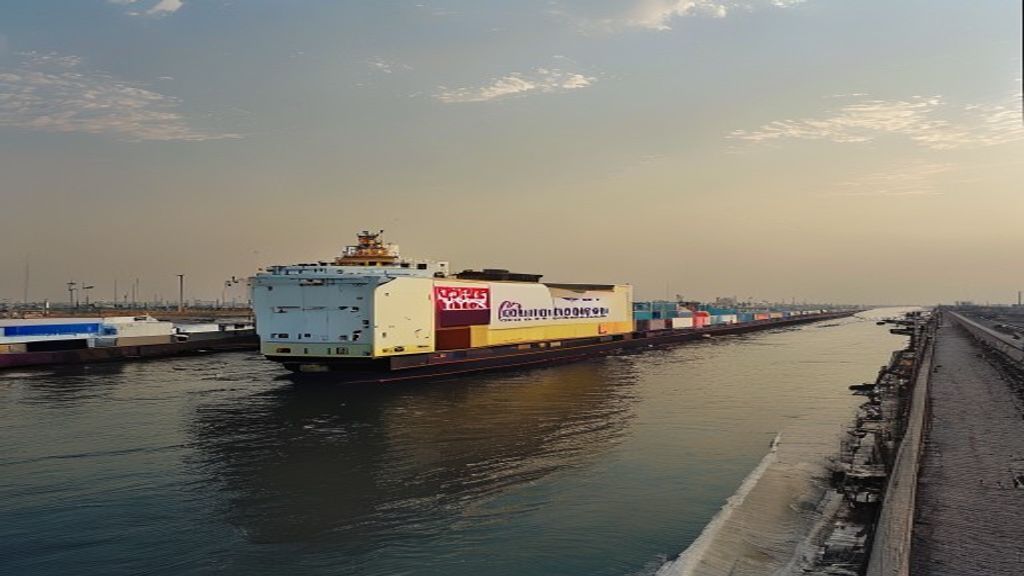
The Indian-flagged LPG tanker Jag Vikram has successfully crossed the Strait of Hormuz. This event marks a notable achievement as it is the first Indian vessel to navigate this critical waterway since a temporary ceasefire was established in the region. The tanker is transporting 20,400 tonnes of cooking gas, a vital commodity for many households in India.
The Strait of Hormuz is a strategic chokepoint, connecting the Persian Gulf to the Arabian Sea. It is one of the busiest maritime routes in the world, with a significant percentage of global oil and gas shipments passing through it. The recent ceasefire has allowed for safer passage, encouraging vessels to resume their journeys through this vital corridor.
The journey of Jag Vikram is particularly significant given the heightened tensions in the region. The ceasefire has provided a temporary respite from hostilities, allowing commercial shipping to operate with reduced risk. This development is crucial for countries reliant on energy imports, including India.
The LPG tanker departed from a port in the Gulf region and is expected to arrive in Mumbai on April 15. The timely delivery of cooking gas is essential for meeting domestic demand, especially as the country prepares for seasonal changes that often increase consumption.
Indian maritime authorities have closely monitored the situation in the Strait of Hormuz. They have implemented measures to ensure the safety of vessels operating in the area. The successful passage of Jag Vikram may encourage other shipping companies to resume operations in the region, potentially stabilizing supply chains.
The Indian government has expressed its commitment to safeguarding its maritime interests. Officials have emphasized the importance of maintaining open sea lanes for trade and energy security. The successful navigation of Jag Vikram serves as a testament to these efforts.
The tanker is operated by a prominent shipping company that specializes in the transportation of liquefied petroleum gas. The company has a strong track record in managing maritime operations in challenging environments. Their experience has been instrumental in ensuring the safe passage of Jag Vikram through the Strait of Hormuz.
As the vessel approaches Indian shores, preparations are underway to receive the cargo. Port authorities in Mumbai are coordinating logistics to facilitate a smooth unloading process. The timely arrival of cooking gas is crucial for various sectors, including households, restaurants, and industries.
The significance of this event extends beyond just the delivery of gas. It symbolizes a return to normalcy in maritime operations in a region that has faced instability. The successful crossing of Jag Vikram may pave the way for increased trade and economic cooperation between India and its partners in the Gulf region.
In recent months, the geopolitical landscape in the Middle East has been complex. Various nations have engaged in diplomatic efforts to reduce tensions and promote stability. The ceasefire has been a critical step in this direction, allowing for a more secure environment for commercial shipping.
The Indian government has been proactive in addressing the challenges posed by regional conflicts. By ensuring the safety of its vessels, India aims to protect its economic interests and maintain energy security. The successful passage of Jag Vikram is a positive indicator of the effectiveness of these measures.
The LPG sector plays a vital role in India's energy landscape. With a growing population and increasing energy demands, the need for reliable gas supplies is paramount. The successful navigation of Jag Vikram highlights the importance of maintaining open trade routes for energy imports.
As the tanker nears its destination, stakeholders in the energy sector are closely watching developments. The arrival of the cooking gas shipment will help alleviate supply pressures and support economic activities. This is particularly important as India continues to recover from the impacts of the pandemic.
The successful crossing of Jag Vikram also underscores the resilience of the shipping industry. Despite challenges posed by geopolitical tensions, companies are adapting and finding ways to operate safely. This adaptability is crucial for ensuring the continuity of global trade.
In summary, the successful navigation of the Indian LPG tanker Jag Vikram through the Strait of Hormuz represents a significant milestone for Indian maritime operations. It highlights the importance of maintaining safe passage in strategic waterways and the ongoing efforts to ensure energy security for the nation. As the tanker approaches Mumbai, the implications of this journey will resonate across various sectors, reinforcing the need for stable and secure maritime routes.
Source: