Global Delegates Praise India’s Electoral Process in Recent Assem
NewsGlobal Delegates Praise India's Electoral Process in Recent Assembly Polls
Observers from 22 Nations Commend the Vibrancy and Precision of Elections in Kerala, Assam, and Puducherry
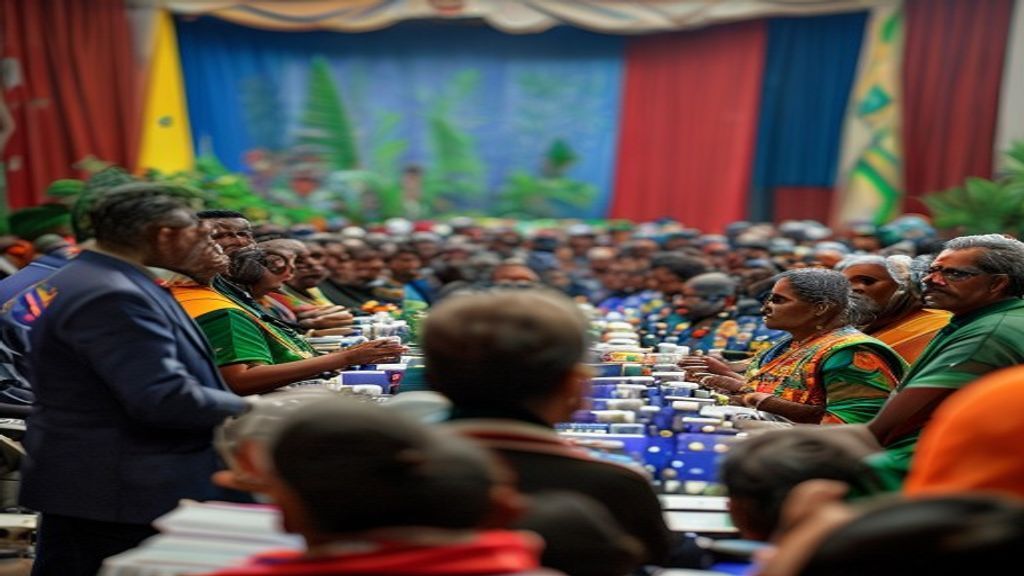
International observers from 22 countries recently gathered in India to witness the Assembly elections in Kerala, Puducherry, and Assam. Their presence underscored the global interest in India's democratic processes. The delegates were impressed by the scale and organization of the elections, describing the event as a "true festival of democracy."
The observers noted several key aspects of the electoral process that stood out during their visit. They highlighted the meticulous planning that went into the elections. From the setup of polling stations to the training of election officials, every detail was carefully considered. This level of preparation contributed to a smooth and efficient voting experience for citizens.
Vibrant Participation
One of the most striking features of the elections was the enthusiastic participation of voters. The delegates observed long lines at polling stations, reflecting the citizens' eagerness to exercise their democratic rights. The high turnout rates in all three regions showcased the importance of these elections to the local populace.
The observers also noted the diverse demographic of voters. People from various backgrounds, ages, and communities came together to cast their votes. This inclusivity is a testament to India's commitment to ensuring that every voice is heard in the democratic process.
Seamless Execution
The execution of the elections was another point of praise from the international delegates. They observed that the polling stations operated efficiently, with minimal delays. Election officials were well-prepared and knowledgeable, assisting voters with any questions or concerns. This professionalism contributed to a positive voting atmosphere.
Moreover, the use of technology played a significant role in the smooth conduct of the elections. Electronic voting machines were deployed across all polling stations, ensuring quick and accurate vote counting. The delegates appreciated the transparency that technology brought to the process, allowing for real-time updates and results.
Commitment to Transparency
Transparency is a cornerstone of any democratic process, and the observers noted India's efforts in this regard. The Election Commission of India implemented several measures to ensure that the elections were conducted fairly. These included strict monitoring of campaign financing and the presence of independent observers at polling stations.
The delegates were particularly impressed by the accessibility features at polling stations. Special provisions were made for elderly voters and those with disabilities. This commitment to inclusivity ensured that everyone had the opportunity to participate in the electoral process.
Global Perspective
The presence of international observers added a global perspective to the elections. Delegates from countries such as the United States, Canada, and several European nations shared their insights on the electoral process. They compared India's approach to their own countries' systems, noting both similarities and differences.
Many observers expressed admiration for India's ability to conduct elections on such a large scale. The sheer number of voters and polling stations is a logistical challenge that few countries face. Yet, India managed to execute the elections with remarkable efficiency.
Cultural Significance
The elections in Kerala, Assam, and Puducherry also held cultural significance. Each region has its unique traditions and customs, which were reflected in the electoral process. The delegates observed local celebrations and events that coincided with the elections, further enhancing the festive atmosphere.
In Kerala, for instance, the vibrant colors of traditional attire were evident at polling stations. Voters proudly donned their cultural garments, showcasing their heritage while participating in the democratic process. This cultural expression added a layer of richness to the elections.
In Assam, the delegates witnessed the integration of local customs into the electoral process. Traditional music and dance performances were organized to encourage voter turnout. These initiatives not only engaged the community but also fostered a sense of unity among voters.
Puducherry, with its unique blend of cultures, also showcased its diversity during the elections. The observers noted the harmonious coexistence of various communities, which was reflected in the voting patterns. This unity in diversity is a hallmark of India's democracy.
Challenges and Opportunities
While the elections were largely successful, the observers also noted some challenges. Issues such as misinformation and voter apathy were discussed. The delegates emphasized the importance of addressing these challenges to strengthen the democratic process further.
They suggested that increased voter education campaigns could help combat misinformation. Engaging younger voters through social media and community outreach could also enhance participation in future elections.
The international delegates left India with a deeper understanding of its electoral process. Their observations highlighted the strengths and areas for improvement within India's democracy. The experience served as a reminder of the importance of global cooperation in promoting democratic values.
As the world watches, India's commitment to transparent and accessible elections remains a focal point. The recent Assembly polls in Kerala, Assam, and Puducherry exemplify the vibrant democratic spirit that continues to thrive in the country. The international community's recognition of these efforts reinforces the significance of India's role as a leading democracy on the global stage.
Source: