Cooch Behar Workers’ ‘Vote First, Work Later’ Mantra Affects Ja
NewsCooch Behar Workers' 'Vote First, Work Later' Mantra Affects Jaipur Restaurants and Households
Local businesses and residents feel the impact of a new work ethic among laborers
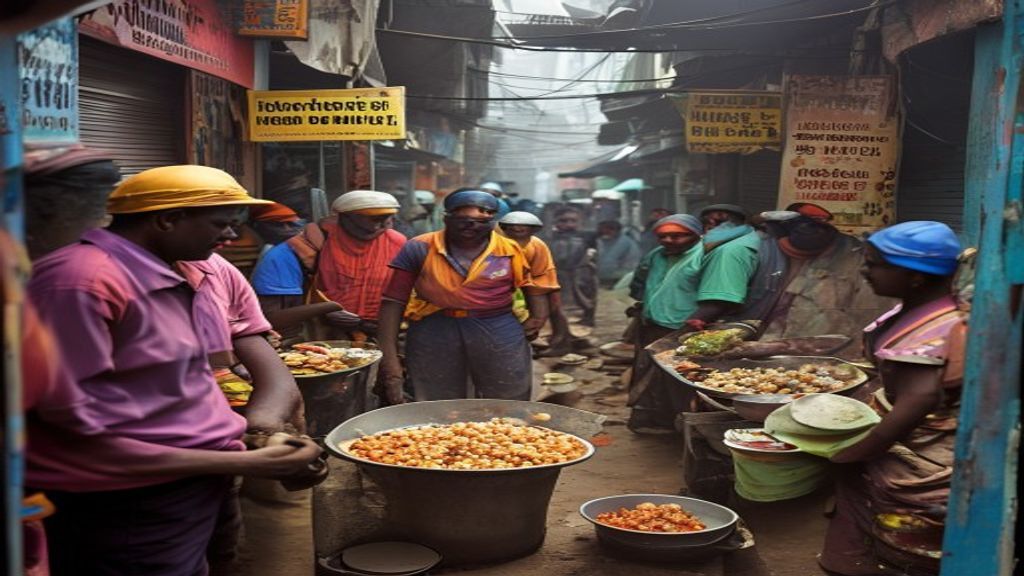
In Jaipur, a noticeable shift in the work ethic of laborers from Cooch Behar has emerged. The mantra "Vote First, Work Later" has begun to influence various sectors, particularly restaurants and households. This change is not just a slogan; it reflects a growing trend among workers who prioritize voting over their daily responsibilities.
The phrase has gained traction among workers who believe that participating in elections is more important than their immediate jobs. This mindset has led to significant disruptions in local businesses. Restaurant owners report a decline in service as many workers take time off to engage in political activities. This trend raises concerns about the future of these establishments.
Impact on Restaurants
Jaipur's vibrant restaurant scene has felt the brunt of this new work ethic. Many eateries rely on a steady workforce to maintain their operations. However, with workers prioritizing voting, some restaurants have had to reduce their hours or even close temporarily.
One restaurant owner, Rajesh Sharma, expressed frustration. "We depend on our staff to serve customers. When they choose to vote instead of coming to work, it affects our bottom line," he said. The situation has forced some owners to hire temporary staff, which can be costly and inefficient.
Moreover, the quality of service has suffered. With fewer hands on deck, remaining employees are overwhelmed. Long wait times and incomplete orders have become common complaints among patrons. This decline in service quality could deter customers, impacting the restaurant's reputation.
Household Disruptions
The effects of the "Vote First, Work Later" mantra extend beyond restaurants. Households in Jaipur are also feeling the impact. Many families rely on domestic workers for daily chores. However, as these workers prioritize voting, household routines are disrupted.
Families are finding it challenging to manage without their usual help. Tasks such as cleaning, cooking, and childcare are falling by the wayside. One resident, Meera Gupta, shared her experience. "I usually have a maid who helps me every day. But now, she is focused on voting. I have to do everything myself, which is exhausting," she said.
This shift has led to increased stress for many families. The added burden of managing household responsibilities without assistance can strain relationships and affect overall well-being.
Business Concerns
Local businesses are not just facing labor shortages; they are also grappling with the potential long-term effects of this trend. If workers continue to prioritize voting over work, businesses may struggle to maintain their operations. This could lead to a broader economic impact in the region.
Small business owners are particularly vulnerable. Many operate on thin margins and cannot afford to lose staff or revenue. The uncertainty surrounding labor availability creates a challenging environment for planning and growth.
Some business owners are considering strategies to mitigate the impact. Offering flexible hours or incentives for workers who prioritize their jobs may help. However, these solutions require careful consideration and resources that not all businesses possess.
Community Reactions
The community's response to this trend is mixed. Some residents support the workers' right to prioritize voting. They argue that civic engagement is essential for a healthy democracy. Others, however, express frustration over the disruptions caused by this new work ethic.
Local leaders are also weighing in on the issue. Some advocate for a balance between civic duty and work responsibilities. They emphasize the importance of participating in elections while also recognizing the need for economic stability.
As the situation evolves, it remains to be seen how businesses and workers will adapt. The mantra "Vote First, Work Later" may continue to shape the labor landscape in Jaipur.
Future Implications
The implications of this trend could extend beyond the immediate impact on restaurants and households. If the prioritization of voting becomes a widespread practice, it may influence labor dynamics across various sectors.
Employers may need to rethink their approach to workforce management. Creating a culture that encourages civic engagement while ensuring job responsibilities are met could be crucial. This balance will be essential for maintaining productivity and employee satisfaction.
Additionally, the local government may need to address the issue. Initiatives that promote civic engagement without compromising economic stability could help. Encouraging workers to participate in elections while also fulfilling their job duties may foster a more harmonious community.
As the election season approaches, the effects of the "Vote First, Work Later" mantra will likely become more pronounced. Businesses, households, and the community at large must navigate this new reality. The challenge lies in finding a way to support civic engagement while ensuring that economic activities continue smoothly.
In summary, the mantra from Cooch Behar is reshaping the work landscape in Jaipur. Restaurants and households are feeling the impact as workers prioritize voting. The long-term effects on local businesses and the community remain to be seen. Balancing civic duty with work responsibilities will be crucial in the coming months.
Source: