Opposition Protests Against India-US Trade Deal in Parliament
NewsOpposition Protests Against India-US Trade Deal in Parliament
Labour Unions' Bandh Receives Support from Political Rivals
India, February 12, 2026, Thursday, 2026
India, October 25, 2023, Wednesday, 2023
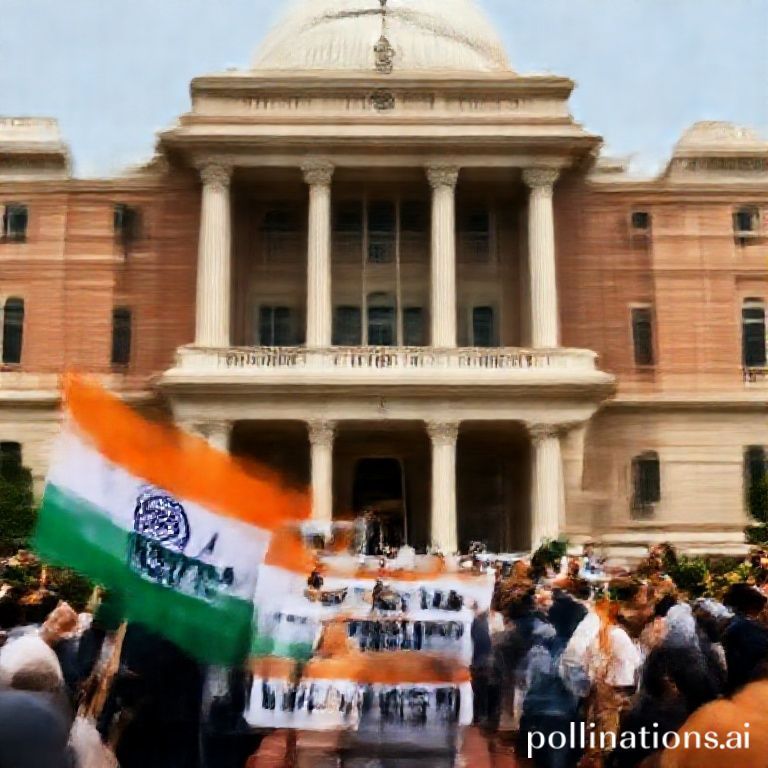
The Indian Parliament witnessed significant unrest as opposition parties rallied against the proposed India-US trade deal. The protests erupted during a session where lawmakers debated the implications of the agreement. Opposition leaders voiced their concerns, arguing that the deal could undermine local industries and labor rights.
Opposition leaders, including members from the Congress party and the Trinamool Congress, took to the floor to express their discontent. They highlighted the potential negative impacts on farmers and small businesses. The opposition accused the government of prioritizing foreign interests over domestic welfare.
The protests coincided with a nationwide bandh called by various labor unions. These unions argue that the trade deal could lead to job losses and wage reductions. They fear that increased competition from American companies may threaten local employment. The bandh received widespread support from opposition parties, amplifying their voices in Parliament.
Political Reactions
The opposition's stance has garnered attention from various political factions. Congress leader Rahul Gandhi criticized the government for its lack of transparency regarding the trade negotiations. He emphasized the need for a comprehensive review of the deal's potential impacts on the Indian economy.
Other opposition leaders echoed similar sentiments. They demanded that the government hold consultations with stakeholders, including labor unions and industry representatives. They argue that such discussions are crucial to ensure that the interests of the Indian workforce are protected.
The ruling party, however, defended the trade deal. They argue that it will enhance economic growth and create new job opportunities. Government officials claim that the agreement will facilitate technology transfer and boost exports. They assert that the deal is essential for India's integration into the global economy.
Union Support
The labor unions have been vocal in their opposition to the trade deal. They argue that it threatens hard-won labor rights and could lead to a race to the bottom in terms of wages and working conditions. Union leaders have called for solidarity among workers to resist any measures that could jeopardize their livelihoods.
The bandh saw participation from various sectors, including transport, manufacturing, and agriculture. Many workers stayed home, while others took to the streets to voice their concerns. The unions organized rallies and demonstrations in major cities, drawing attention to their cause.
The opposition parties have pledged to support the unions in their fight against the trade deal. They argue that a united front is necessary to pressure the government into reconsidering its position. The protests in Parliament are part of a broader strategy to mobilize public opinion against the deal.
Economic Implications
Economists have weighed in on the potential impacts of the India-US trade deal. Some argue that it could lead to increased foreign investment and economic growth. They believe that the agreement may open new markets for Indian products.
However, critics warn that the deal could exacerbate existing inequalities. They point out that large corporations may benefit disproportionately, while small businesses struggle to compete. The fear is that the trade deal could widen the gap between the rich and the poor.
The agricultural sector is particularly concerned about the implications of the trade deal. Farmers worry that increased imports from the US could undercut local prices. They fear that their livelihoods could be at risk if they cannot compete with cheaper foreign goods.
Public Sentiment
Public opinion appears divided on the trade deal. Some citizens support the government's push for globalization and economic integration. They believe that the deal could bring about positive changes in the economy.
Conversely, many others share the concerns raised by opposition parties and labor unions. They worry about job security and the future of local industries. The protests and the bandh have sparked discussions across the country about the potential consequences of the trade agreement.
Social media platforms have become a battleground for opinions on the trade deal. Supporters of the government argue that the deal is necessary for progress. Critics, however, use these platforms to amplify their concerns and mobilize support for the protests.
Future Developments
As the debate continues, the government faces mounting pressure from both opposition parties and labor unions. The upcoming sessions in Parliament are likely to see further protests and discussions surrounding the trade deal.
The opposition has indicated that they will not back down easily. They plan to raise the issue in various forums, including state assemblies and public rallies. Their goal is to keep the pressure on the government to reconsider the terms of the agreement.
The labor unions have also vowed to continue their fight. They are organizing more protests and awareness campaigns to educate workers about the potential impacts of the trade deal. Their aim is to ensure that the voices of the working class are heard in the ongoing negotiations.
In the coming weeks, the situation is expected to evolve as both sides prepare for further discussions. The outcome of the trade deal remains uncertain, but the protests have highlighted the deep divisions in Indian society regarding globalization and economic policy.
The political landscape in India is shifting, and the opposition's united front against the trade deal may influence future negotiations. As the government navigates these challenges, the voices of the opposition and labor unions will continue to resonate in the halls of Parliament and beyond.
Source:


