Bharat Bandh: Rahul Gandhi Supports Workers and Farmers Amid Natio
NewsBharat Bandh: Rahul Gandhi Supports Workers and Farmers Amid Nationwide Protests
Nationwide strike highlights concerns over labor codes and government policies
India, February 12, 2026, Thursday, 2026
India, October 26, 2023, Thursday, 2023
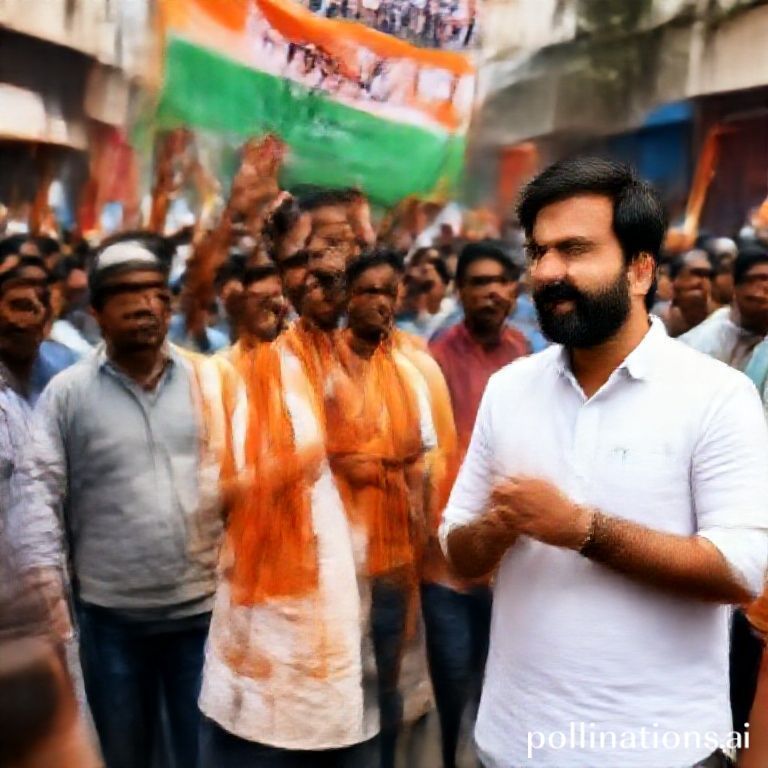
Rahul Gandhi has publicly expressed his support for the ongoing nationwide protests led by workers and farmers. These demonstrations are a response to various government policies that many believe threaten their livelihoods. The protests have gained momentum, with ten trade unions and the Samyukta Kisan Morcha calling for an all-India strike today.
Concerns Over Labor Codes
One of the primary issues driving the protests is the recent changes to labor codes. Many workers fear that these new regulations will erode their rights and protections. Rahul Gandhi emphasized the need for a fair labor system that prioritizes the welfare of workers. He argued that the current government policies favor corporate interests over the needs of the working class.
Trade agreements have also come under scrutiny. Critics argue that these agreements often disadvantage local farmers and workers. They claim that the government has prioritized international trade deals at the expense of domestic agricultural and labor sectors. Gandhi's remarks resonated with many who feel marginalized by these policies.
MGNREGA Under Threat
The Mahatma Gandhi National Rural Employment Guarantee Act (MGNREGA) is another focal point of the protests. This program provides a safety net for rural workers by guaranteeing them a minimum number of days of wage employment. However, recent reports suggest that funding for MGNREGA has been slashed, leading to reduced job opportunities for rural families.
Gandhi highlighted the importance of MGNREGA in ensuring food security and economic stability for millions. He criticized the government for undermining this vital program, which has been a lifeline for many during economic downturns.
Nationwide Strike Gains Support
The all-India strike has seen widespread participation across various sectors. Workers from different industries, including agriculture, manufacturing, and services, have joined the movement. The solidarity among diverse groups underscores the widespread discontent with current government policies.
Protesters have taken to the streets in major cities, demanding immediate action from the government. They are calling for a reversal of the controversial labor codes and a restoration of adequate funding for MGNREGA. The atmosphere is charged, with chants and slogans echoing the sentiments of the participants.
Political Reactions
The government's response to the protests has been mixed. While some officials have acknowledged the concerns raised by the protesters, others have dismissed the strike as politically motivated. This has further fueled tensions between the ruling party and opposition leaders.
Rahul Gandhi has seized the opportunity to criticize Prime Minister Modi directly. He accused the Prime Minister of losing touch with the realities faced by ordinary citizens. Gandhi's remarks about Modi's "grip" on the situation suggest a belief that the government is out of step with the needs of the people.
The opposition parties have rallied behind the protests, amplifying the voices of workers and farmers. They argue that the government's policies are detrimental to the economy and social fabric of the country. The protests have become a platform for various political factions to unite against the ruling party.
Public Sentiment
Public sentiment appears to be shifting as more people become aware of the issues at stake. Many citizens are expressing solidarity with the protesters, recognizing the importance of labor rights and agricultural sustainability. Social media has played a crucial role in spreading awareness and mobilizing support for the strike.
As the protests continue, the government faces increasing pressure to address the grievances of workers and farmers. The outcome of this nationwide strike could have significant implications for future policy decisions and the political landscape in India.
The protests are not just about immediate concerns; they reflect deeper issues related to economic inequality and social justice. Many participants believe that the current trajectory of government policies will lead to further marginalization of vulnerable communities.
Future Implications
The ongoing protests and the government's response will likely shape the political discourse in the coming months. As the opposition capitalizes on the unrest, the ruling party may need to reconsider its approach to labor and agricultural policies. Failure to address these issues could result in a loss of support among key voter demographics.
The strike has also highlighted the importance of grassroots movements in influencing policy change. Workers and farmers are increasingly organizing to demand their rights, signaling a potential shift in the political landscape. This could lead to more robust advocacy for labor rights and agricultural reforms in the future.
In summary, the Bharat Bandh has emerged as a significant moment in India's political landscape. With Rahul Gandhi at the forefront, the protests are drawing attention to critical issues affecting workers and farmers. The outcome of this nationwide strike will be closely watched as it unfolds, with potential ramifications for both the government and the opposition.
Source:


