Young India in 2026: Navigating Anxiety and Uncertainty
NewsYoung India in 2026: Navigating Anxiety and Uncertainty
Millennials and Gen Z confront distinct fears in a changing landscape
India, January 17, 2026, Saturday, 2026
India, October 10, 2023, Tuesday, 2023
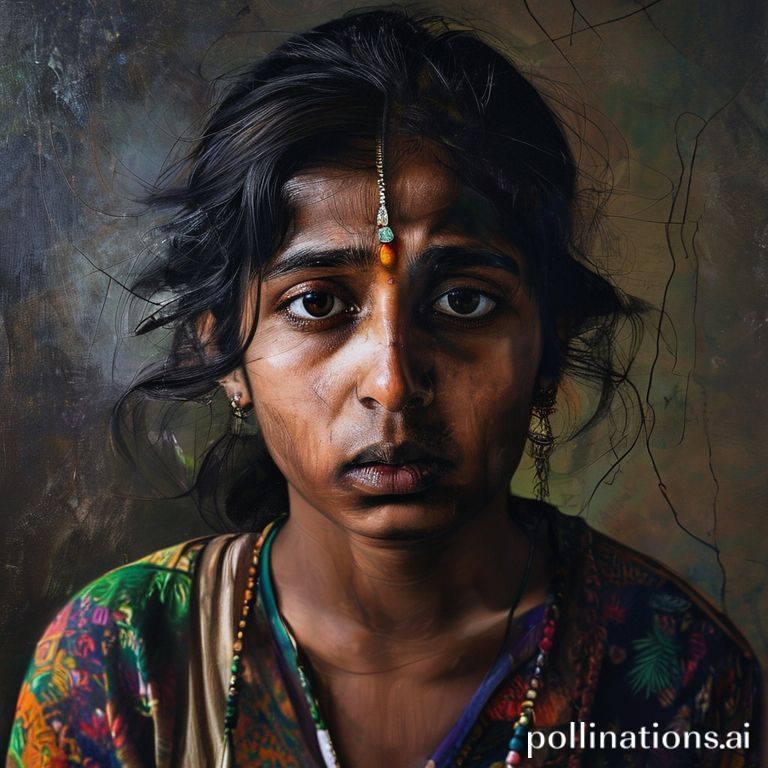
India's youth, particularly millennials and Gen Z, are at a crossroads. They face unique challenges that stem from their experiences and the world around them. As the nation progresses, these two generations grapple with their fears and aspirations. Their concerns are deeply rooted in the political, economic, and technological changes that shape their lives.
Distinct Anxieties
Millennials, born between 1981 and 1996, have witnessed significant shifts in India's socio-economic landscape. They entered adulthood during a time of rapid growth and opportunity. However, many now feel a sense of instability. Years of hard work seem overshadowed by economic uncertainty. Job security is a primary concern. Many millennials worry that their efforts may not yield the stability they once anticipated.
In contrast, Gen Z, born from 1997 onward, faces a different reality. This generation has grown up in a world marked by rapid technological advancements and social change. They often feel overwhelmed by the prospect of never achieving the stability their predecessors sought. The pressures of a competitive job market and rising living costs weigh heavily on their minds.
Job Security and Economic Inequality
Job security remains a pressing issue for both generations. The pandemic exacerbated existing challenges, leading to job losses and economic downturns. Many millennials, who once believed in the promise of steady employment, now find themselves in precarious positions. They often juggle multiple gigs or freelance work, which can be both exhausting and uncertain.
Gen Z, entering the workforce during a time of recovery, faces its own set of challenges. The job market is competitive, and many young people feel unprepared. They seek meaningful work but often encounter barriers. Economic inequality further complicates their situation. The gap between the wealthy and the poor continues to widen, leaving many young people feeling disenfranchised.
Climate Change Concerns
Climate change is another significant concern for both generations. Millennials have been vocal about environmental issues for years. They advocate for sustainable practices and policies. However, they often feel frustrated by the slow pace of change. Many worry that their efforts may not be enough to combat the looming crisis.
Gen Z, on the other hand, has grown up with climate change as a constant backdrop. They are acutely aware of the challenges ahead. This generation is more likely to prioritize environmental issues in their decision-making. They demand action from leaders and corporations. The urgency of the climate crisis fuels their anxiety about the future.
Technological Impact
Technology plays a dual role in the lives of young Indians. For millennials, it has been a tool for empowerment and connection. Social media has allowed them to build networks and share ideas. However, it has also contributed to feelings of isolation and inadequacy. The pressure to present a perfect image online can be overwhelming.
Gen Z, digital natives from birth, experience technology differently. They are adept at navigating online spaces but also face unique challenges. Cyberbullying and mental health issues are prevalent among this generation. The constant connectivity can lead to burnout. Many young people find it difficult to disconnect and recharge.
Political Landscape
The political climate in India also influences the fears of young people. Millennials have witnessed significant political changes over the years. They often feel disillusioned with the system. Many believe their voices are not heard. This disconnection can lead to apathy and frustration.
Gen Z, however, is more politically engaged. They are vocal about their beliefs and demand accountability from leaders. This generation is more likely to participate in protests and advocacy. They seek to create a more inclusive and equitable society. Their activism reflects a desire for change.
Mental Health Awareness
Mental health has become a crucial topic for both generations. The pressures of modern life can be overwhelming. Millennials often struggle with anxiety and depression, stemming from their career uncertainties and societal expectations. They seek support but may hesitate to reach out due to stigma.
Gen Z is more open about mental health issues. This generation prioritizes well-being and self-care. They advocate for mental health resources and support systems. However, the challenges they face can still take a toll. The pressure to succeed and the fear of failure can lead to significant stress.
Coping Mechanisms
Both generations employ various coping mechanisms to navigate their fears. Millennials often turn to community and connection. They seek support from friends and family. Many engage in mindfulness practices or pursue hobbies to alleviate stress.
Gen Z, on the other hand, utilizes technology to cope. They find solace in online communities and social media. Many young people share their experiences and seek advice from peers. This digital support network can provide comfort, but it also has its drawbacks.
The Future Outlook
Despite their fears, both generations remain hopeful for the future. Millennials are determined to create change within their communities. They strive to build a better world for the next generation. Many are involved in social enterprises and initiatives aimed at addressing pressing issues.
Gen Z is equally optimistic. They are driven by a desire for progress and inclusivity. This generation is more likely to challenge the status quo and demand change. Their activism reflects a commitment to creating a better future for all.
In summary, young India in 2026 faces a complex landscape of fears and aspirations. Millennials and Gen Z navigate distinct challenges shaped by their experiences. Job security, economic inequality, climate change, and mental health are at the forefront of their concerns. Yet, both generations remain resilient and hopeful, striving to create a brighter future.
Source:


