Maharashtra Civic Polls Heat Up with Political Accusations
NewsMaharashtra Civic Polls Heat Up with Political Accusations
Rahul Gandhi Criticizes Election Commission; BJP Responds with Jibes
India, January 16, 2026, Friday, 2026
India, October 12, 2023, Thursday, 2023
The political landscape in Maharashtra is heating up as civic polls approach. Rahul Gandhi, leader of the Indian National Congress, has made strong accusations against the Election Commission of India (ECI). He claims the commission is "gaslighting citizens" regarding the electoral process. This statement has sparked significant debate among political circles and the public alike.
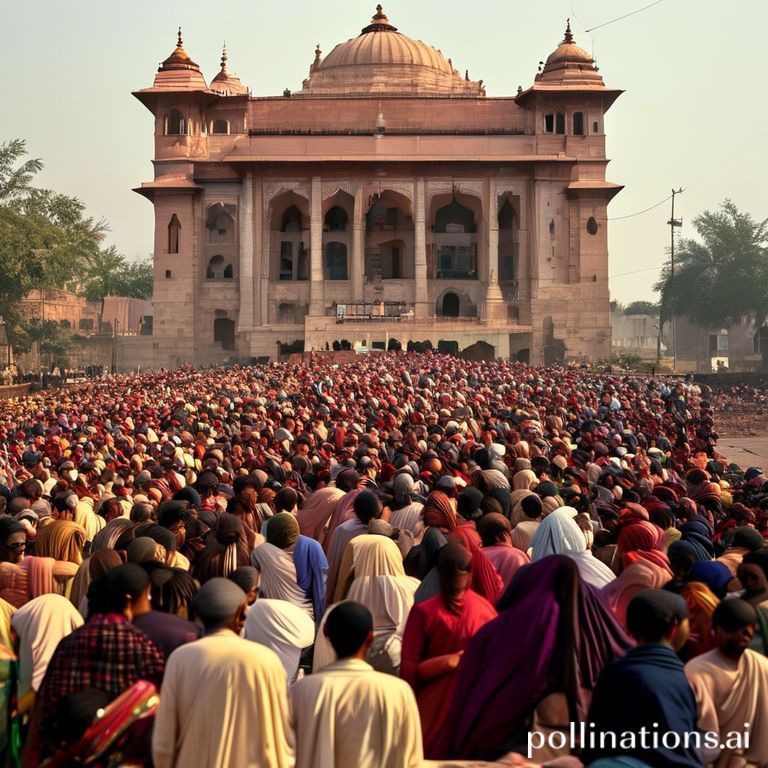
Gandhi's remarks came during a rally in Mumbai, where he addressed a crowd of enthusiastic supporters. He emphasized the importance of free and fair elections, asserting that the ECI's actions undermine democracy. "The Election Commission is supposed to be an impartial body," he stated. "Instead, it is misleading the citizens of this country."
The Congress leader's comments reflect growing concerns about the integrity of the electoral process in Maharashtra. Many citizens feel disillusioned with the political system, and Gandhi's words resonate with their frustrations. He urged voters to remain vigilant and to question the motives behind the ECI's decisions.
BJP's Response
In response to Gandhi's accusations, the Bharatiya Janata Party (BJP) did not hold back. Party spokespersons quickly labeled Gandhi as a "khandani chor," which translates to "heritage thief." This term is often used to suggest that someone comes from a lineage of dishonest individuals. The BJP's jibe aims to undermine Gandhi's credibility and distract from the issues he raised.
The BJP's strategy appears to focus on discrediting the opposition rather than addressing the concerns about the electoral process. Political analysts suggest that this tactic may backfire, as voters increasingly seek transparency and accountability from their leaders.
Election Commission Under Scrutiny
The Election Commission has faced scrutiny from various political parties in recent years. Critics argue that the commission has not been effective in ensuring free and fair elections. Allegations of bias and favoritism have surfaced, particularly in states where the BJP holds power.
In Maharashtra, the commission's decisions regarding candidate eligibility and campaign regulations have raised eyebrows. Many believe that the ECI's actions favor the ruling party, leading to calls for reform. Gandhi's comments highlight these ongoing concerns and reflect a broader sentiment among opposition parties.
Voter Sentiment
As the civic polls draw near, voter sentiment is crucial. Many citizens express frustration with the current political climate. They feel that their voices are not being heard and that the electoral process is rigged in favor of those in power. This discontent could significantly impact voter turnout and the overall outcome of the elections.
Gandhi's rally aimed to galvanize support for the Congress party. He urged citizens to participate actively in the electoral process. "Your vote is your voice," he declared. "Do not let anyone silence you." His message resonated with many, as citizens seek change in their local governance.
The BJP's strategy of attacking Gandhi personally may not resonate with voters who prioritize issues over personalities. Political analysts suggest that the party should focus on its achievements and address the concerns raised by the opposition.
Civic Polls and Their Importance
Civic polls in Maharashtra are critical for local governance. They determine the composition of municipal corporations, which play a vital role in managing urban infrastructure and services. The outcome of these elections can significantly impact the lives of citizens.
Local issues such as waste management, water supply, and public transportation are at the forefront of voters' minds. Candidates must address these concerns to gain support. The BJP and Congress are both vying for control of key municipalities, making this election particularly competitive.
The stakes are high, and both parties are ramping up their campaigns. Door-to-door outreach, rallies, and social media engagement are all part of the strategy. Candidates are working hard to connect with voters and address their needs.
Public Engagement
Public engagement is essential in the lead-up to the elections. Candidates are encouraged to hold town hall meetings and community forums. These events provide a platform for citizens to voice their concerns and ask questions.
Gandhi's rally is an example of how political leaders can mobilize support. By addressing the public directly, he aims to build a connection with voters. The BJP is also organizing events to showcase its achievements and outline its vision for the future.
Social media plays a significant role in shaping public opinion. Both parties are leveraging platforms to reach a broader audience. Engaging content, including videos and infographics, helps convey messages effectively.
The Role of Youth
The youth vote is increasingly becoming a decisive factor in elections. Young voters are more likely to engage with issues that affect their future, such as education, employment, and climate change. Both the Congress and BJP are targeting this demographic in their campaigns.
Gandhi's emphasis on transparency and accountability resonates with younger voters. They are more likely to support candidates who prioritize these values. The BJP must also address the concerns of young citizens to maintain its appeal.
As the elections approach, both parties are aware of the importance of the youth vote. Engaging with this demographic will be crucial for success in the civic polls.
In summary, the political atmosphere in Maharashtra is charged as civic polls approach. Rahul Gandhi's accusations against the Election Commission have ignited discussions about electoral integrity. The BJP's response reflects its strategy to counter opposition claims. Voter sentiment is shifting, and both parties must adapt to the changing landscape as they prepare for the upcoming elections.
Source:


