Salt Lines: A Forgotten 4,000-Km ‘Living Border’ Reappears in a
NewsSalt Lines: A Forgotten 4,000-Km 'Living Border' Reappears in a Mumbai Museum
The exhibition highlights the historical significance of the salt line and its cultural impact.
India, December 27, 2025, Saturday, 2025
India, October 15, 2023, Sunday, 2023
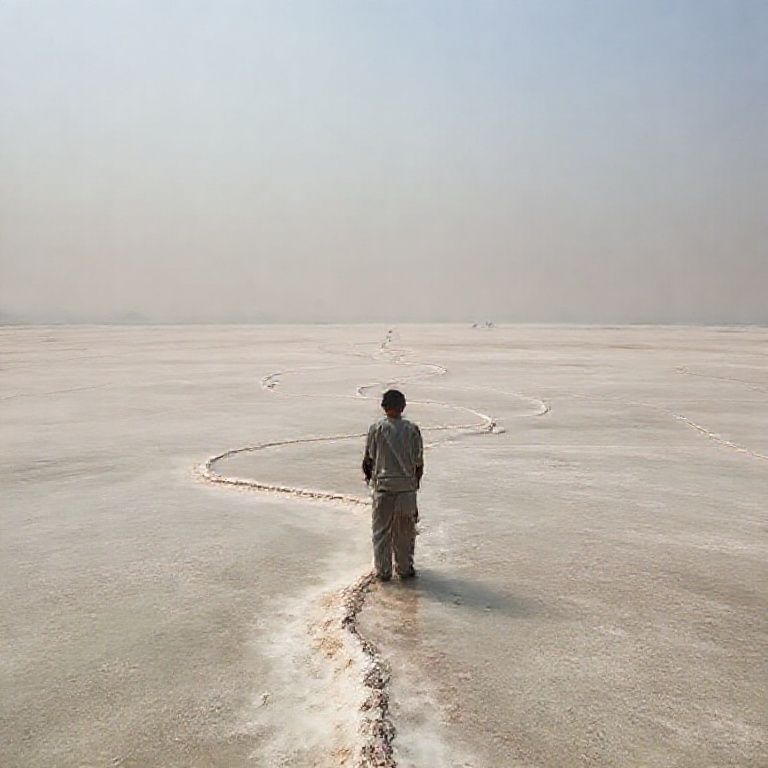
A unique exhibition has opened in Mumbai, showcasing the historical significance of the salt line, a 4,000-kilometer stretch that once served as a living border. This exhibition, titled "Salt Lines," aims to revive the memory of this forgotten boundary and its cultural implications.
The salt line, which extends across the Indian subcontinent, was not merely a geographical marker. It represented the socio-economic dynamics of the region. The exhibition features a variety of artifacts, photographs, and interactive displays that illustrate the salt line's role in shaping communities and economies.
Historical Context
The salt line dates back centuries. It was established during the British colonial period as a means of controlling salt production and distribution. Salt was a vital resource, essential for preserving food and sustaining life. The British imposed heavy taxes on salt, leading to widespread discontent among the local population.
Mahatma Gandhi famously led the Salt March in 1930, protesting against this oppressive taxation. His march to the Arabian Sea symbolized resistance and unity. The salt line thus became a powerful emblem of the struggle for independence.
Exhibition Highlights
Visitors to the "Salt Lines" exhibition can explore various sections dedicated to different aspects of the salt line. One section focuses on the historical significance of salt in Indian culture. It showcases traditional methods of salt production, including the use of salt pans and evaporation techniques.
Another section features personal stories from individuals who lived along the salt line. These narratives provide insight into the daily lives of people affected by the salt tax. They reveal how the salt line influenced their livelihoods and social structures.
Interactive displays allow visitors to engage with the content. Touchscreens provide additional information about the salt line's geography and its impact on trade routes. Maps illustrate how the salt line connected various regions, facilitating commerce and cultural exchange.
Artistic Interpretations
The exhibition also includes artistic interpretations of the salt line. Local artists have created installations that reflect the emotional and cultural significance of salt. These artworks capture the essence of the salt line as a symbol of resilience and identity.
One striking installation features a large salt sculpture, representing the vastness of the salt line. It invites visitors to contemplate the historical weight of this boundary. Other pieces incorporate multimedia elements, blending sound and visuals to create an immersive experience.
Educational Programs
In addition to the exhibition, the museum offers educational programs for schools and community groups. Workshops and guided tours aim to deepen understanding of the salt line's historical context. These programs encourage discussions about colonialism, resistance, and cultural heritage.
Students can participate in hands-on activities, such as creating their own salt art. This interactive approach fosters a connection to history, making it more relatable and engaging.
Community Engagement
The museum has actively involved local communities in the exhibition's development. Collaborations with historians, artists, and cultural organizations have enriched the content. Community members have shared their stories, ensuring diverse perspectives are represented.
This engagement has sparked interest and pride among locals. Many have expressed a renewed appreciation for their heritage and the significance of the salt line.
Visitor Experience
The "Salt Lines" exhibition has attracted a diverse audience. Families, students, and history enthusiasts have flocked to the museum to learn more about this forgotten boundary. The exhibition's layout is designed to facilitate exploration and discovery.
Visitors can take their time, moving through the various sections at their own pace. The museum staff is available to answer questions and provide additional insights. This interactive environment enhances the overall experience, making it both educational and enjoyable.
Cultural Impact
The salt line's revival in public consciousness has broader implications. It encourages discussions about identity, heritage, and the impact of colonialism on contemporary society. The exhibition serves as a reminder of the importance of remembering history.
As visitors engage with the content, they reflect on the lessons learned from the past. The salt line symbolizes not only a geographical boundary but also the resilience of communities in the face of adversity.
Future Plans
The museum plans to expand the exhibition in the coming months. Additional artifacts and stories will be incorporated, ensuring the narrative remains dynamic and relevant. The goal is to keep the conversation going and encourage ongoing exploration of the salt line's significance.
Future events, including lectures and panel discussions, will further enrich the experience. These initiatives aim to foster a deeper understanding of the salt line's legacy and its relevance in today's world.
The "Salt Lines" exhibition is more than just a display of artifacts. It is a celebration of history, culture, and community. By bringing the salt line back into public awareness, the museum plays a crucial role in preserving this important aspect of India's heritage.
As the exhibition continues to draw visitors, it reinforces the idea that history is not merely a record of the past. It is a living narrative that shapes our present and future. The salt line, once forgotten, now stands as a testament to the enduring spirit of those who lived along its path.
Source:


