Extreme Weather Events Inflict Over $122 Billion in Damages in 202
NewsExtreme Weather Events Inflict Over $122 Billion in Damages in 2025
Monsoon Floods in India and Pakistan Lead to Significant Loss of Life and Economic Impact
India, December 27, 2025, Saturday, 2025
India, October 10, 2023, Tuesday, 2023
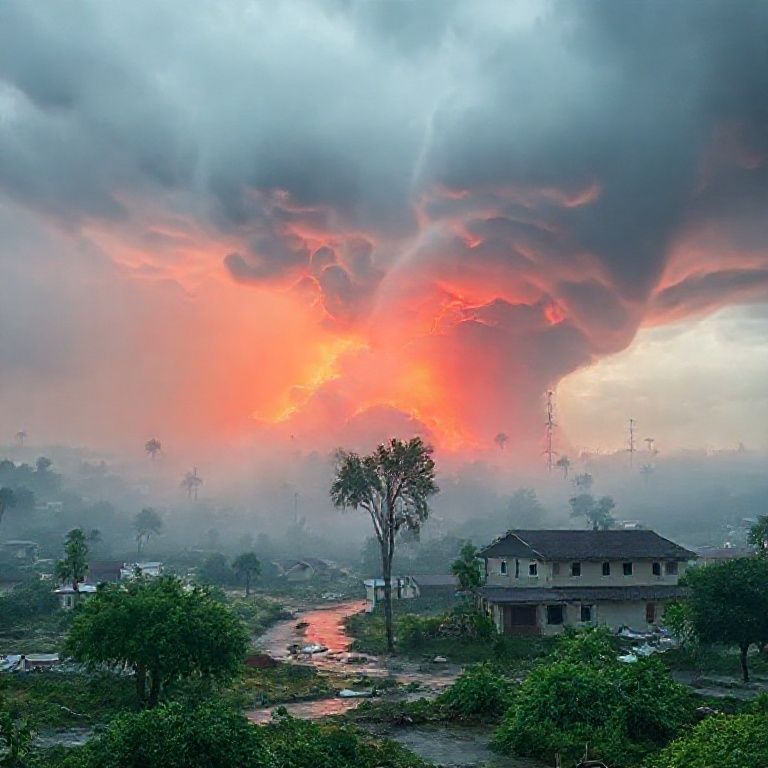
Extreme weather events in 2025 have caused unprecedented damage worldwide, totaling over $122 billion. Among these events, the monsoon floods in India and Pakistan stand out, resulting in a staggering economic loss of $5.6 billion and claiming 1,860 lives. This alarming trend highlights the growing impact of climate change on vulnerable regions.
The financial burden of extreme weather is not evenly distributed. While the United States experienced the highest economic toll from wildfires, poorer nations like India and Pakistan faced a disproportionate human cost. This disparity raises critical questions about climate resilience and the need for global cooperation in addressing these challenges.
Monsoon Floods in India and Pakistan
The monsoon season in 2025 brought catastrophic flooding to parts of India and Pakistan. Heavy rainfall overwhelmed rivers and drainage systems, leading to widespread inundation. The floods displaced millions and destroyed homes, infrastructure, and agricultural land.
In India, states like Uttar Pradesh and Bihar were particularly hard hit. The floods not only caused immediate loss of life but also disrupted livelihoods. Farmers faced crop failures, and many families lost their primary source of income. The economic ramifications of these floods will be felt for years to come.
Pakistan also suffered immensely during this period. The floods exacerbated existing vulnerabilities in the region, where many communities were already struggling with poverty and limited resources. The humanitarian crisis that followed the floods required urgent international assistance.
Wildfires in the United States
While the monsoon floods dominated headlines, wildfires in the United States contributed significantly to the overall financial toll. States like California and Oregon faced devastating fires that destroyed homes and ecosystems. The cost of firefighting efforts, coupled with the economic impact on local businesses, pushed the total damages into the billions.
The wildfires not only affected urban areas but also had a profound impact on rural communities. Many residents were forced to evacuate, and the smoke from the fires led to health issues for those who remained. The long-term effects on air quality and public health are still being assessed.
Disproportionate Impact on Vulnerable Nations
The data reveals a troubling trend: poorer nations bear the brunt of extreme weather events. While wealthy countries can often recover financially from disasters, developing nations struggle to rebuild. The loss of life in India and Pakistan underscores this disparity.
Experts emphasize that the ongoing reliance on fossil fuels exacerbates the situation. As global temperatures rise, the frequency and intensity of extreme weather events are expected to increase. This creates a vicious cycle where vulnerable communities face greater risks, leading to more significant economic and human losses.
Climate Change and Future Risks
Climate scientists warn that the current trajectory of fossil fuel consumption will lead to more severe weather patterns. The consequences of inaction are dire. Increased flooding, droughts, and wildfires will continue to threaten lives and livelihoods.
Governments and organizations worldwide must prioritize climate adaptation and mitigation strategies. Investing in infrastructure, improving early warning systems, and enhancing community resilience are essential steps. The focus should be on protecting the most vulnerable populations who are least equipped to cope with these changes.
International Cooperation is Key
Addressing the challenges posed by extreme weather requires a coordinated global response. Countries must work together to share resources, knowledge, and technology. International aid can play a crucial role in supporting nations affected by disasters.
Moreover, developed nations have a moral obligation to assist those less fortunate. Climate finance initiatives can help developing countries invest in sustainable practices and build resilience against future disasters.
Public Awareness and Education
Raising public awareness about the impacts of climate change is vital. Communities need to understand the risks associated with extreme weather events and the importance of preparedness. Education can empower individuals to take action and advocate for policies that promote sustainability.
Local governments can play a significant role in this effort. By implementing community-based programs, they can foster a culture of resilience. Engaging citizens in discussions about climate change can lead to innovative solutions tailored to local needs.
The Role of Technology
Advancements in technology offer promising solutions to combat the effects of extreme weather. Innovations in weather forecasting, data analysis, and disaster response can enhance preparedness.
For instance, satellite imagery can provide real-time information about weather patterns, helping authorities make informed decisions. Additionally, mobile applications can keep communities informed about impending disasters, allowing for timely evacuations.
Sustainable Practices for the Future
Transitioning to sustainable practices is crucial for mitigating the impacts of climate change. Renewable energy sources, such as solar and wind, can reduce reliance on fossil fuels.
Agricultural practices must also evolve. Implementing sustainable farming techniques can help communities adapt to changing weather patterns. Crop diversification and water conservation strategies are essential for ensuring food security in the face of climate challenges.
In summary, the extreme weather events of 2025 have highlighted the urgent need for action. The devastating monsoon floods in India and Pakistan, alongside wildfires in the United States, illustrate the far-reaching consequences of climate change. Addressing these challenges requires a collective effort from governments, organizations, and individuals worldwide. The time to act is now.
Source:


