M.F. Husain Mural Faces Neglect at LIC Headquarters in Mumbai
NewsM.F. Husain Mural Faces Neglect at LIC Headquarters in Mumbai
Deterioration of Iconic Artwork Raises Concerns Over Preservation Efforts
India, December 27, 2025, Saturday, 2025
India, October 23, 2023, Monday, 2023
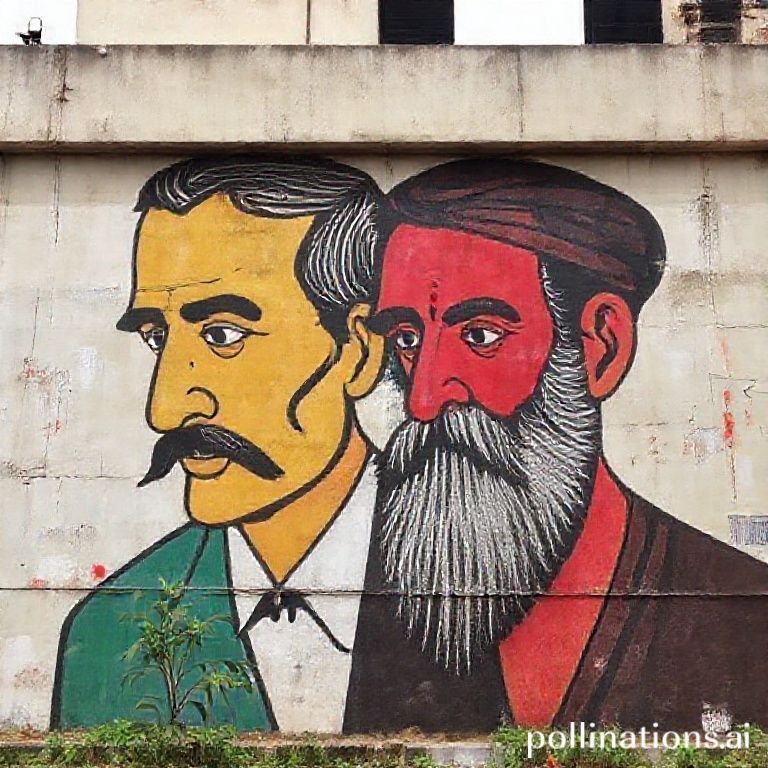
A significant mural by renowned artist M.F. Husain is currently facing deterioration at the Life Insurance Corporation (LIC) headquarters in Mumbai. This artwork, created in 1963, is not only a testament to Husain's artistic prowess but also a vital piece of India's cultural heritage. Unfortunately, it is now showing visible signs of neglect and damage.
The mural's condition has raised alarms among art enthusiasts and cultural advocates. The lack of proper identification and protection for such a valuable piece of art underscores a broader issue regarding the preservation of wall art in India.
Historical Significance of the Mural
M.F. Husain, often referred to as the Picasso of India, is celebrated for his vibrant and expressive style. His works often reflect the rich tapestry of Indian culture and history. The mural at LIC headquarters is no exception. It captures the essence of Indian life and showcases Husain's unique ability to blend traditional themes with modern artistic techniques.
Painted over six decades ago, this mural is not just a decoration; it is a historical artifact that tells a story of its time. The mural's themes resonate with the socio-political landscape of India during the 1960s, making it a significant piece for both art historians and the general public.
Current State of the Mural
Despite its importance, the mural is currently in a state of disrepair. Observers have noted peeling paint, fading colors, and other signs of deterioration. These issues have been exacerbated by ongoing renovation work at the LIC headquarters. The combination of neglect and construction activities has created an environment that is not conducive to the preservation of such a delicate artwork.
The absence of proper identification for the mural further complicates matters. Without clear signage or information about its significance, many visitors may overlook its value. This lack of awareness contributes to the undervaluation of wall art in India, where many such works remain unprotected and unappreciated.
LIC's Response
In light of the mural's deteriorating condition, LIC has pledged to investigate potential protection measures. The organization recognizes the importance of preserving this cultural asset and is exploring options to ensure its longevity.
LIC's commitment to safeguarding the mural is a positive step. However, it raises questions about the broader responsibility of institutions in protecting public art. The preservation of such works should not only be a reactive measure but also a proactive commitment to cultural heritage.
The Role of Public Institutions
Public institutions like LIC play a crucial role in the preservation of art. They have the resources and visibility to promote awareness and appreciation for cultural works. By taking steps to protect the Husain mural, LIC can set a precedent for other organizations to follow.
Moreover, public institutions should consider implementing educational programs that highlight the significance of such artworks. Engaging the community can foster a deeper appreciation for cultural heritage and encourage collective efforts toward preservation.
Challenges in Art Preservation
The challenges of preserving public art are manifold. Environmental factors, such as pollution and weather conditions, can significantly impact the condition of murals and other outdoor artworks. Additionally, the lack of funding and resources for maintenance often leads to neglect.
Art preservation requires a dedicated approach that includes regular assessments, restoration efforts, and public engagement. Institutions must prioritize these aspects to ensure that valuable artworks do not fall into disrepair.
The Importance of Community Involvement
Community involvement is essential in the preservation of public art. Local residents and art enthusiasts can play a vital role in advocating for the protection of cultural assets. By raising awareness and organizing initiatives, communities can help ensure that artworks like Husain's mural receive the attention they deserve.
Social media campaigns, community events, and partnerships with local artists can all contribute to a culture of appreciation for public art. Engaging the public in discussions about the importance of such works can foster a sense of ownership and responsibility.
Future Prospects for the Mural
As LIC moves forward with its investigation into protection measures, the future of the Husain mural remains uncertain. The organization must act swiftly to address the current issues and implement a long-term preservation plan.
Potential restoration efforts could involve cleaning the mural, repairing any damage, and applying protective coatings to prevent further deterioration. Additionally, creating a dedicated space for the mural, complete with proper signage and educational materials, could enhance its visibility and appreciation.
The mural's preservation is not just about maintaining a piece of art; it is about honoring India's cultural heritage. By taking decisive action, LIC can demonstrate its commitment to safeguarding this important work for future generations.
In conclusion, the situation surrounding M.F. Husain's mural at LIC headquarters highlights the urgent need for greater awareness and action regarding the preservation of public art in India. As institutions and communities come together, there is hope for a future where such cultural treasures are valued and protected.
Source:


