PM Modi Critiques Dynastic Politics at Lucknow Memorial Inaugurati
NewsPM Modi Critiques Dynastic Politics at Lucknow Memorial Inauguration
Prime Minister emphasizes merit-based recognition of national heroes
India, December 25, 2025, Thursday, 2025
India, October 10, 2023, Tuesday, 2023
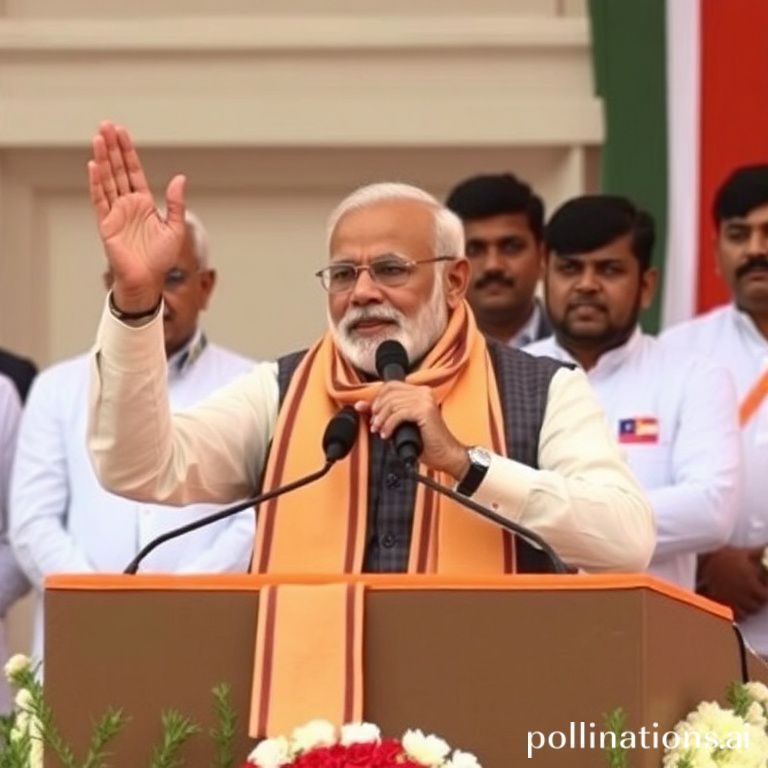
Prime Minister Narendra Modi inaugurated a memorial in Lucknow dedicated to the stalwarts of the Janata Sangh. During the ceremony, he delivered a strong critique of previous governments, accusing them of glorifying a single family while neglecting the contributions of national heroes. His remarks highlighted a significant shift in the political narrative under the Bharatiya Janata Party (BJP) government.
Modi's speech resonated with themes of national pride and collective memory. He asserted that the BJP is committed to honoring all contributors to the nation’s history, rather than focusing on a select few. This approach, he argued, is essential for fostering a sense of unity and respect for diverse contributions to India's development.
The Prime Minister pointed out that past administrations often linked achievements and good works to one family. He described this practice as detrimental to the nation's progress. By focusing on a singular narrative, he claimed, these governments overlooked the sacrifices and efforts of countless individuals who played pivotal roles in shaping the country.
In contrast, Modi emphasized the BJP's dedication to merit-based recognition. He stated that the memorial serves as a testament to this commitment. It honors those who have contributed to the nation’s growth, irrespective of their political lineage. The memorial stands as a symbol of the party's efforts to dismantle the barriers of dynastic politics.
Article 370, which granted special status to Jammu and Kashmir, was also a focal point of Modi's address. He reiterated that the BJP government has taken significant steps to integrate the region fully into India. By removing this article, he argued, the government has opened doors for development and progress. This move, he claimed, aligns with the party's broader goal of ensuring equal opportunities for all citizens.
The memorial itself is designed to celebrate the legacy of Jan Sangh leaders. It features exhibits and displays that highlight their contributions to Indian society and politics. Modi expressed hope that the memorial would inspire future generations to learn about these figures and their roles in the nation’s history.
During the inauguration, Modi also called for a collective effort to remember and honor the unsung heroes of India. He urged citizens to engage with the memorial and reflect on the values these leaders stood for. By doing so, he believes that the nation can foster a deeper understanding of its history and the principles that guide it.
The Prime Minister's remarks come at a time when the BJP is actively working to reshape the political landscape in India. The party aims to position itself as a champion of meritocracy, distancing itself from the dynastic politics that have characterized much of the country's political history. Modi's speech aligns with this strategy, reinforcing the idea that leadership should be based on capability and contribution rather than family ties.
In addition to honoring past leaders, Modi's government has also focused on implementing policies that promote inclusivity and development. He highlighted various initiatives aimed at empowering marginalized communities and ensuring that all citizens have access to opportunities. This approach, he argued, is essential for building a stronger and more unified nation.
The memorial's inauguration is part of a broader effort by the BJP to connect with voters by emphasizing its commitment to national pride and historical recognition. By celebrating the contributions of Jan Sangh leaders, the party seeks to strengthen its narrative and appeal to a wider audience.
As the event concluded, Modi encouraged attendees to visit the memorial and engage with its exhibits. He believes that understanding the past is crucial for shaping a better future. The memorial, he stated, is not just a tribute to the leaders of the Jan Sangh but also a call to action for all Indians to contribute to the nation's progress.
The Prime Minister's address reflects a growing trend in Indian politics, where leaders are increasingly focusing on historical narratives to galvanize support. By invoking the legacy of past leaders, Modi aims to inspire a sense of pride and responsibility among citizens. This strategy may play a crucial role in the upcoming elections as the BJP seeks to consolidate its position.
In summary, Modi's inauguration of the memorial in Lucknow serves as a significant moment in the BJP's ongoing efforts to redefine India's political landscape. By emphasizing merit-based recognition and honoring diverse contributions, the party aims to move away from the legacy of dynastic politics. The memorial stands as a symbol of this commitment, inviting all citizens to reflect on their shared history and work towards a united future.
Source:


