Nitin Gadkari Addresses Air Pollution Crisis in Delhi
NewsNitin Gadkari Addresses Air Pollution Crisis in Delhi
Union Minister Calls for Transition to Electric and Hydrogen Mobility
India, December 24, 2025, Wednesday, 2025
India, October 25, 2023, Wednesday, 2023
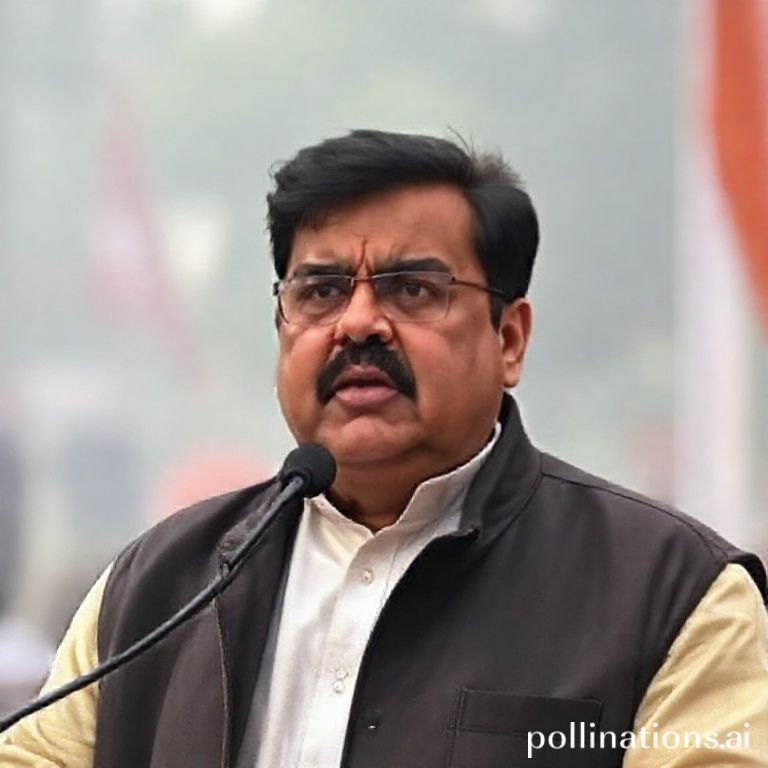
Union Minister Nitin Gadkari has raised alarms about the severe air pollution in Delhi. He pointed out that approximately 40% of this pollution stems from the transport sector's heavy reliance on fossil fuels. During a recent address, Gadkari emphasized the urgent need for a transition to cleaner energy sources, specifically electric and hydrogen mobility. He framed this shift not only as an environmental necessity but also as a nationalistic imperative.
The transport sector plays a significant role in contributing to air quality issues. Gadkari's remarks highlight the pressing need for change. He noted that the current dependency on fossil fuels is not sustainable. The minister argued that reducing reliance on these fuels could significantly lower pollution levels in urban areas like Delhi.
Gadkari's call to action is timely. The air quality in Delhi has reached alarming levels, particularly during the winter months. The combination of vehicular emissions, industrial discharges, and seasonal factors exacerbates the situation. Residents often experience health issues related to poor air quality, including respiratory problems and other serious conditions.
Transitioning to electric and hydrogen vehicles could mitigate these challenges. Gadkari pointed out that India has the potential to lead in cleaner fuel alternatives. The country has made strides in electric vehicle technology, and further advancements could enhance this progress. By investing in these technologies, India can reduce its dependence on imported fossil fuels, which are costly and contribute to pollution.
The minister also highlighted the economic benefits of this transition. Shifting to electric and hydrogen mobility could create jobs in manufacturing, infrastructure development, and maintenance. This shift would not only improve air quality but also stimulate economic growth. Gadkari's vision includes a future where India is a leader in sustainable transportation solutions.
Moreover, Gadkari stressed the importance of government support in this transition. He called for policies that encourage the adoption of electric vehicles. Incentives for consumers and manufacturers could accelerate the shift away from fossil fuels. The government can play a crucial role in facilitating this change through subsidies, tax breaks, and investments in charging infrastructure.
Public awareness is another critical component of this initiative. Educating citizens about the benefits of electric and hydrogen vehicles can drive demand. Gadkari emphasized the need for campaigns that inform the public about the environmental and economic advantages of cleaner transportation options. Increased awareness can lead to greater acceptance and adoption of these technologies.
In addition to promoting electric vehicles, Gadkari mentioned the importance of improving public transportation. Enhancing the efficiency and reach of public transit systems can reduce the number of private vehicles on the road. This, in turn, would decrease overall emissions and improve air quality. Investments in metro systems, buses, and other forms of public transport are essential for a comprehensive approach to tackling pollution.
The minister also acknowledged the challenges that lie ahead. Transitioning to cleaner mobility solutions requires significant investment and infrastructure development. There are hurdles to overcome, including the need for widespread charging stations and the establishment of a hydrogen fuel network. However, Gadkari remains optimistic about India's ability to meet these challenges.
He pointed to successful examples from other countries that have made similar transitions. Nations that have embraced electric and hydrogen technologies have seen improvements in air quality and reductions in greenhouse gas emissions. Gadkari believes that India can replicate these successes with the right policies and investments.
Furthermore, Gadkari's vision aligns with global trends towards sustainability. Many countries are committing to reducing carbon emissions and investing in renewable energy sources. By embracing electric and hydrogen mobility, India can position itself as a leader in the global fight against climate change.
The urgency of the situation cannot be overstated. With air pollution levels in Delhi consistently ranking among the highest in the world, immediate action is necessary. Gadkari's emphasis on the transport sector's role in this crisis highlights the need for a multi-faceted approach to address the issue.
In summary, Nitin Gadkari's call for a shift to electric and hydrogen mobility underscores the critical need for change in India's transport sector. By reducing reliance on fossil fuels, the country can improve air quality, stimulate economic growth, and position itself as a leader in sustainable transportation. The path forward requires collaboration between the government, industry, and citizens to create a cleaner, healthier environment for all.
Source:


