Heated Exchange in Lok Sabha Over Special Investigation Report
NewsHeated Exchange in Lok Sabha Over Special Investigation Report
Rahul Gandhi Challenges Amit Shah to Debate on Alleged Fake Voters
India, December 10, 2025, Wednesday, 2025
India, October 25, 2023, Wednesday, 2023
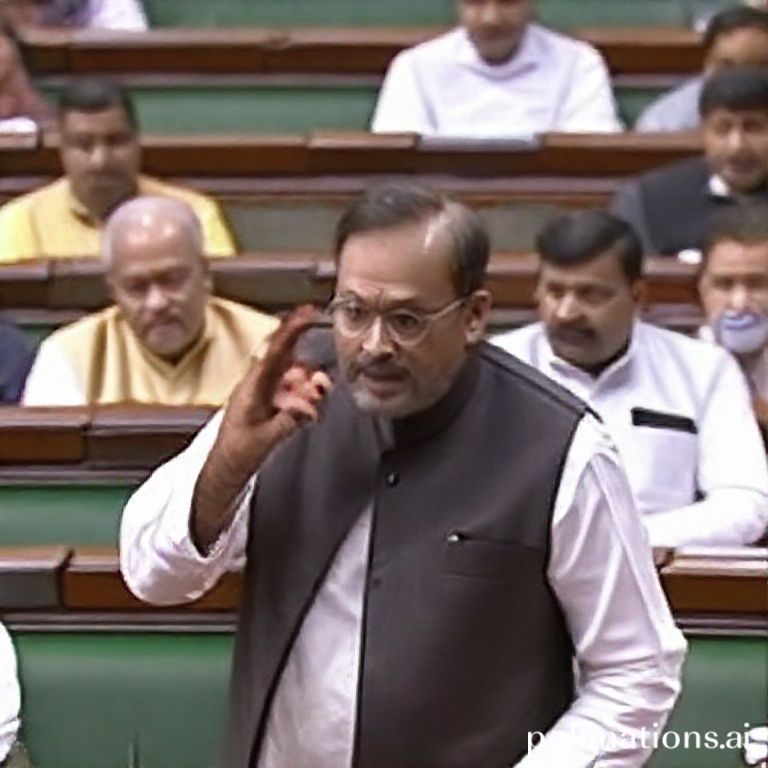
The Lok Sabha was the stage for a fiery confrontation on Tuesday as Rahul Gandhi, a prominent leader of the Indian National Congress, issued a bold challenge to Home Minister Amit Shah. The debate centered around the Special Investigation Report concerning alleged fake voters, a topic that has stirred significant controversy in recent months.
Rahul Gandhi's challenge came during a session where tensions were already high. He called for a direct debate with Amit Shah, insisting that the Home Minister address the allegations surrounding the integrity of the electoral process. Gandhi's remarks were met with immediate attention from both sides of the aisle, highlighting the importance of the issue at hand.
Amit Shah, known for his firm stance on various issues, responded to Gandhi's challenge with a clear assertion of authority. He stated that he would determine the timing and sequence of any debate regarding the Special Investigation Report. Shah emphasized the need to adhere to parliamentary procedures, indicating that discussions would follow the established protocols of the Lok Sabha.
The exchange did not stop there. Rahul Gandhi pressed on, accusing the ruling party of engaging in "vote chori," or vote theft, a serious allegation that questions the legitimacy of the electoral process. He demanded transparency and accountability from the government, urging Shah to address the concerns raised by the opposition.
In response, Amit Shah countered Gandhi's claims by referencing past instances where similar allegations had been made. He pointed to a specific case involving Sonia Gandhi, which had been adjudicated by the Delhi High Court. Shah's defense aimed to undermine the credibility of the opposition's accusations, suggesting that such claims were not new and had been previously dismissed by the judiciary.
The debate quickly escalated, with members from both parties interjecting and voicing their opinions. The atmosphere in the Lok Sabha became charged as lawmakers expressed their views on the integrity of the electoral system. The opposition demanded a thorough investigation into the allegations of fake voters, while the ruling party maintained that the electoral process was robust and secure.
As the discussion unfolded, it became evident that the issue of electoral integrity resonates deeply with the public. Voter confidence is crucial for a functioning democracy, and any suggestion of malpractice can lead to widespread discontent. Rahul Gandhi's challenge to Amit Shah reflects a broader concern among opposition leaders regarding the government's handling of electoral issues.
The Special Investigation Report itself has been a focal point of contention. It outlines various allegations related to voter fraud and irregularities in the electoral rolls. The report has sparked debates not only in the Lok Sabha but also among the general populace, as citizens seek clarity on the integrity of their democratic processes.
Amit Shah's insistence on following parliamentary procedure underscores the complexities of political discourse in India. The Lok Sabha operates under a set of rules designed to facilitate orderly debate and discussion. However, in moments of heightened tension, these rules can be tested as politicians seek to make their voices heard.
Rahul Gandhi's approach during the exchange was assertive. He aimed to position himself as a champion of electoral integrity, appealing to voters who may feel disenfranchised by the current political climate. His challenge to Shah was not merely a personal confrontation; it was a strategic move to rally support for the opposition's stance on electoral reform.
The ruling party's response, led by Amit Shah, reflects a broader strategy to maintain control over the narrative surrounding electoral integrity. By framing the opposition's claims as unfounded and politically motivated, Shah seeks to reinforce confidence in the government's management of elections.
As the debate continued, it became clear that both sides were prepared to stand their ground. The opposition, led by Gandhi, was determined to hold the government accountable for any perceived shortcomings in the electoral process. Meanwhile, the ruling party remained steadfast in its defense of the electoral system, emphasizing its commitment to transparency and fairness.
The implications of this exchange extend beyond the walls of the Lok Sabha. Voter sentiment is a powerful force in Indian politics, and the handling of allegations related to electoral fraud can significantly impact public perception. As the opposition pushes for a thorough investigation, the ruling party must navigate the delicate balance of addressing concerns while maintaining its credibility.
In the coming days, the political landscape may shift as the fallout from this debate unfolds. The Special Investigation Report will likely remain a topic of discussion, with both parties seeking to leverage the situation to their advantage. The challenge posed by Rahul Gandhi has set the stage for ongoing discussions about electoral integrity and the responsibilities of those in power.
As the Lok Sabha session drew to a close, the echoes of the heated exchange lingered in the air. Lawmakers returned to their constituencies, where the implications of their debates would resonate with voters. The question of electoral integrity remains at the forefront of political discourse, and the actions taken by both the government and the opposition in response to these allegations will shape the future of Indian democracy.
Source:


