Deepavali Recognized by UNESCO as Intangible Cultural Heritage
NewsDeepavali Recognized by UNESCO as Intangible Cultural Heritage
Sixteenth Indian Tradition to Achieve Esteemed Recognition
India, December 10, 2025, Wednesday, 2025
India, October 26, 2023, Thursday, 2023
Deepavali, commonly known as Diwali, has officially been inscribed on UNESCO's Intangible Cultural Heritage list. This significant achievement marks the sixteenth Indian tradition to receive such recognition. The announcement was made during the 20th session of the Intergovernmental Committee for the Safeguarding of Intangible Cultural Heritage, which took place in New Delhi.
The committee is currently reviewing a total of 67 nominations from 79 countries. This year’s session highlights the global commitment to preserving cultural heritage. The inclusion of Deepavali underscores the importance of this festival not only in India but also in the global cultural landscape.
Significance of Deepavali
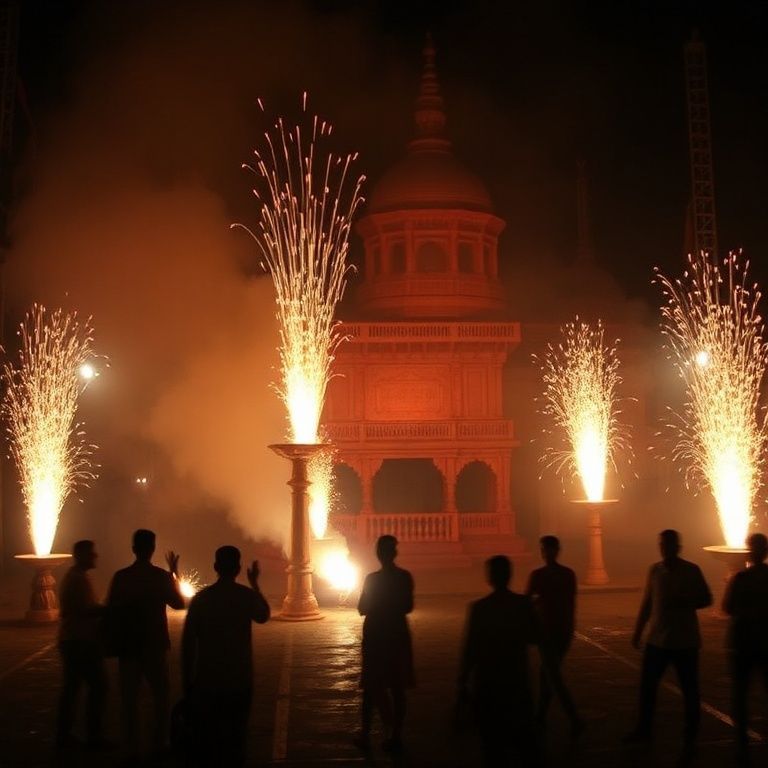
Deepavali is celebrated by millions across India and around the world. It symbolizes the victory of light over darkness and good over evil. The festival typically spans five days, with each day holding its own significance and rituals. Families come together to light oil lamps, exchange sweets, and perform prayers.
The festival's roots can be traced back to ancient Indian texts. It is associated with various legends, including the return of Lord Rama to Ayodhya after defeating Ravana. This narrative emphasizes the themes of hope and renewal.
UNESCO's Recognition Process
UNESCO's Intangible Cultural Heritage list aims to safeguard traditions that are vital to cultural identity. The process involves a thorough review of nominations submitted by member states. Each nomination must demonstrate the cultural significance and community involvement in the tradition.
India's nomination for Deepavali was supported by extensive documentation. This included descriptions of rituals, community participation, and the festival's impact on social cohesion. The committee evaluates these aspects to ensure that the traditions are actively practiced and passed down through generations.
Previous Indian Entries
Deepavali joins a prestigious list of Indian traditions recognized by UNESCO. Other notable entries include Yoga, Durga Puja, and the art of Vedic chanting. Each of these traditions reflects India's rich cultural diversity and heritage.
Yoga, for instance, emphasizes physical and mental well-being. It has gained global popularity, with millions practicing it worldwide. Durga Puja, celebrated predominantly in West Bengal, showcases elaborate rituals and artistic expressions. These entries highlight India's commitment to preserving its cultural practices.
Global Impact of Deepavali
The recognition of Deepavali by UNESCO is expected to enhance its visibility on the global stage. It will encourage cultural exchange and foster greater understanding among diverse communities. The festival's themes of unity and harmony resonate universally, making it relevant beyond geographical boundaries.
Communities around the world celebrate Deepavali, showcasing their unique interpretations of the festival. In countries like Nepal, Mauritius, and Trinidad and Tobago, the festival is marked with local customs and traditions. This global celebration reinforces the idea that cultural heritage transcends borders.
Community Involvement
The essence of Deepavali lies in community participation. Families and friends come together to celebrate, reinforcing social bonds. Local communities organize events, fairs, and cultural programs to mark the occasion. These gatherings promote inclusivity and strengthen communal ties.
In many regions, schools and organizations conduct workshops and activities related to Deepavali. This educational aspect ensures that younger generations understand the significance of the festival. It also encourages them to engage in cultural practices, fostering a sense of identity.
Economic Benefits
The recognition of Deepavali can also have economic implications. The festival boosts local economies through increased demand for goods and services. Markets see a surge in sales of traditional items, sweets, and decorative materials.
Small businesses often thrive during this period, as people seek to purchase gifts and decorations. This economic activity contributes to job creation and supports local artisans. The festival thus plays a vital role in sustaining livelihoods.
Environmental Considerations
While Deepavali is a time of joy, it also raises environmental concerns. The use of firecrackers has been a contentious issue, leading to discussions about pollution and safety. Many communities are now advocating for eco-friendly celebrations.
Efforts are underway to promote the use of sustainable materials for decorations and gifts. Initiatives encourage people to opt for noise-free and less polluting alternatives to traditional firecrackers. This shift reflects a growing awareness of environmental issues among celebrants.
Cultural Exchange and Diplomacy
The recognition of Deepavali by UNESCO can also serve as a tool for cultural diplomacy. It opens avenues for dialogue and collaboration between nations. Cultural exchanges can foster mutual respect and understanding among diverse populations.
Countries can learn from each other's traditions, leading to enriched cultural experiences. This exchange can promote peace and cooperation, aligning with UNESCO's mission to build a more inclusive world.
Future Prospects
As Deepavali joins the ranks of recognized cultural heritage, its future looks promising. The festival's global recognition may inspire further research and documentation of other intangible cultural practices.
Communities may feel encouraged to preserve and promote their traditions, knowing that they hold value on an international platform. This recognition can lead to a renewed interest in cultural heritage, ensuring that these practices continue to thrive.
In summary, the inscription of Deepavali on UNESCO's Intangible Cultural Heritage list is a momentous occasion. It celebrates the rich cultural tapestry of India and highlights the importance of preserving traditions. The festival's global impact, community involvement, and economic benefits further underscore its significance. As the world embraces this recognition, the spirit of Deepavali will continue to shine brightly.
Source:


