NDA Allies Criticize Opposition’s Stance on EVMs
NewsNDA Allies Criticize Opposition's Stance on EVMs
JDU and TDP Question Double Standards Following Electoral Losses
India, December 9, 2025, Tuesday, 2025
India, October 10, 2023, Tuesday, 2023
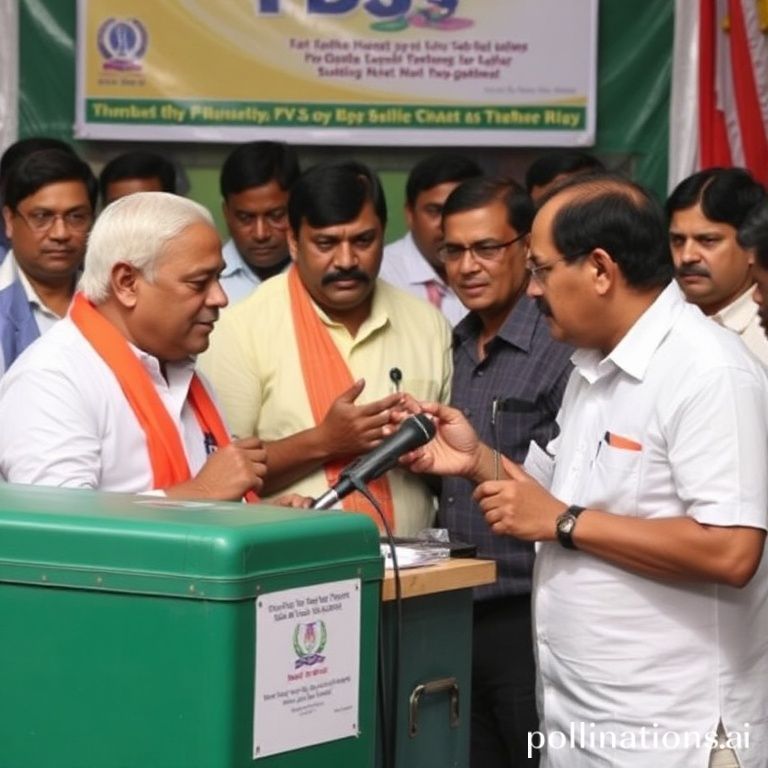
In a recent political discourse, key allies of the National Democratic Alliance (NDA), including Janata Dal (United) [JDU] and Telugu Desam Party [TDP], have taken a firm stance against the opposition's criticisms of Electronic Voting Machines (EVMs). They have raised questions about the perceived double standards exhibited by opposition parties regarding the reliability of these machines.
EVMs Under Scrutiny
The debate surrounding EVMs has intensified, particularly after electoral defeats faced by opposition parties. JDU and TDP leaders have pointed out that the machines are often labeled faulty only when the opposition loses elections. This pattern raises questions about the integrity of the opposition's claims.
JDU spokespersons highlighted that the opposition's sudden concerns about EVMs seem to arise conveniently after unfavorable results. They argue that if the machines are reliable when the opposition wins, they should not be deemed faulty during losses. This inconsistency has led to accusations of hypocrisy among opposition leaders.
TDP representatives echoed these sentiments, emphasizing the need for a consistent stance on EVMs. They argue that the integrity of the electoral process should not be compromised by selective outrage. The TDP has called for a more rational discussion about the technology used in elections rather than emotional reactions based on electoral outcomes.
Shiv Sena's Proposal
In addition to addressing the EVM controversy, Shiv Sena (Shinde faction) has proposed significant electoral reforms. They advocate for lowering the voting age to 18, which aligns with the global standard for youth participation in democracy. This proposal aims to engage younger voters and ensure their voices are heard in the political arena.
Furthermore, Shiv Sena has suggested implementing remote voting options for migrants. This initiative seeks to facilitate voting for individuals who may be away from their home constituencies during elections. The party believes that such measures would enhance voter participation and strengthen democracy.
Simultaneous Polls
The call for simultaneous elections has also gained traction among NDA allies. Leaders argue that conducting state and national elections at the same time could streamline the electoral process. This approach would reduce the frequency of elections, allowing for more efficient governance and resource allocation.
Advocates of simultaneous polls assert that this strategy would also minimize the financial burden on the exchequer. By consolidating elections, the government could save significant amounts of money that would otherwise be spent on conducting separate polls.
Voter Maturity and Electoral Integrity
NDA allies have emphasized the importance of voter maturity in the electoral process. They argue that voters must be educated about the voting system and the technology involved. This understanding is crucial for maintaining trust in the electoral process.
Leaders from JDU and TDP have called for comprehensive voter education programs. These initiatives would aim to inform citizens about how EVMs work and the safeguards in place to ensure fair elections. By fostering a well-informed electorate, the NDA believes that concerns about EVM manipulation can be effectively addressed.
Dismissal of Manipulation Claims
The allegations of EVM manipulation have been a recurring theme in political discussions. However, NDA allies have dismissed these claims as unfounded. They argue that the electoral process is robust and that EVMs have been tested extensively to ensure their reliability.
JDU leaders pointed out that numerous elections have been conducted using EVMs without any significant issues. They believe that the focus should be on improving the electoral process rather than casting doubt on the technology.
TDP representatives have also urged the opposition to provide concrete evidence if they wish to challenge the integrity of EVMs. They argue that baseless allegations only serve to undermine public confidence in the democratic process.
Political Accountability
The ongoing debate about EVMs and electoral reforms highlights the need for political accountability. NDA allies have called for all parties to engage in constructive dialogue rather than resorting to blame games. They believe that a collaborative approach is essential for strengthening democracy in India.
By addressing concerns transparently and working together, political parties can enhance public trust in the electoral system. This trust is vital for the health of democracy and the legitimacy of elected representatives.
Future of Electoral Technology
As technology continues to evolve, the future of electoral processes may see further innovations. NDA allies have expressed openness to exploring new technologies that could enhance the voting experience. They believe that advancements in technology can lead to more secure and efficient elections.
However, any changes must be implemented with careful consideration and public consultation. Engaging with stakeholders, including political parties, civil society, and the electorate, is crucial for ensuring that new technologies meet the needs of all citizens.
In summary, the recent discussions among NDA allies reflect a commitment to addressing electoral challenges head-on. By questioning the opposition's stance on EVMs, advocating for reforms, and emphasizing voter education, they aim to foster a more robust democratic process. The focus remains on ensuring that the electoral system is fair, transparent, and trusted by all citizens.
Source:


