Third Cheetah Habitat to Be Established in Madhya Pradesh
NewsThird Cheetah Habitat to Be Established in Madhya Pradesh
New initiative aims to boost cheetah population and promote wildlife tourism
India, December 9, 2025, Tuesday, 2025
India, October 10, 2023, Tuesday, 2023
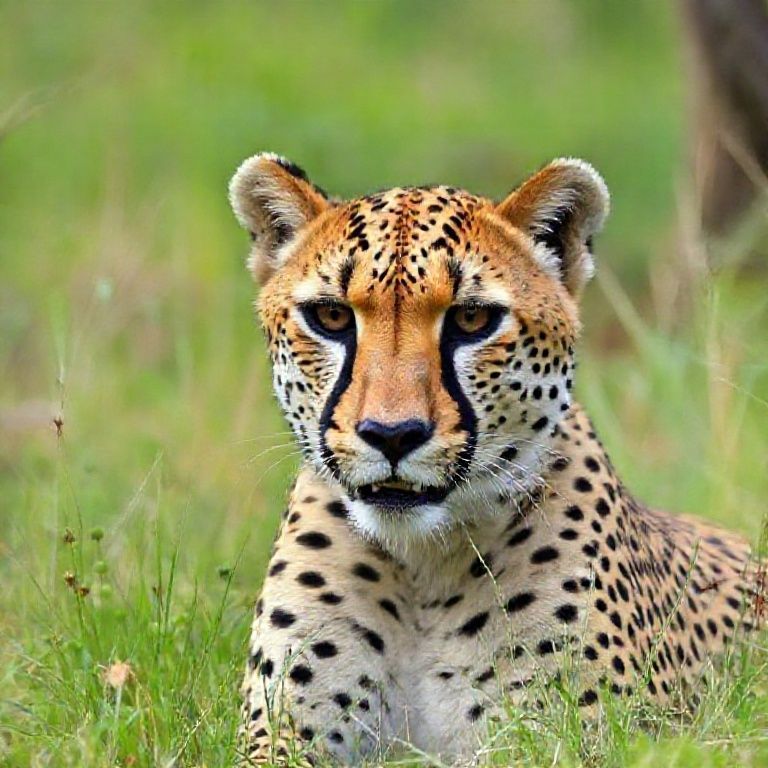
The Indian government has announced plans to establish a third cheetah habitat in Madhya Pradesh. This initiative is part of a broader effort to revive the cheetah population in India, which has faced significant decline over the years. The new habitat will complement existing efforts in Kuno National Park and Nauradehi Wildlife Sanctuary.
Cheetah Reintroduction Program
The reintroduction of cheetahs into India began in 2022. The government imported cheetahs from Namibia and South Africa to restore their presence in the country. Cheetahs once roamed freely across India but became extinct in the 1950s due to habitat loss and hunting. The reintroduction program aims to create a sustainable population of these majestic animals.
The first two habitats, Kuno National Park and Nauradehi Wildlife Sanctuary, have seen some success. The cheetahs have adapted well to their new environment. They have started to breed, which is a positive sign for conservationists. The establishment of a third habitat is expected to further enhance these efforts.
Location and Features of the New Habitat
The new cheetah habitat will be located in a region that offers ample space and resources for the animals. Authorities have identified a suitable area that provides a mix of grasslands and forests. This diverse landscape will support the cheetahs' hunting and breeding needs.
The habitat will also include measures to ensure the safety of both the cheetahs and local communities. Fencing and monitoring systems will be put in place to prevent human-wildlife conflict. Additionally, the government plans to involve local communities in conservation efforts. This approach aims to foster a sense of ownership and responsibility towards wildlife preservation.
Boosting Wildlife Tourism
The establishment of the third habitat is expected to boost wildlife tourism in Madhya Pradesh. The state is already known for its rich biodiversity and national parks. With the addition of cheetahs, it aims to attract more tourists. Wildlife enthusiasts and photographers are particularly interested in observing these fast and agile animals in their natural habitat.
Tourism can provide significant economic benefits to local communities. It creates jobs and supports local businesses. The government plans to develop infrastructure around the new habitat to accommodate tourists. This includes eco-friendly lodges, guided tours, and educational programs about cheetah conservation.
Community Involvement
Community involvement is crucial for the success of the cheetah reintroduction program. The government is working with local residents to educate them about the importance of wildlife conservation. Workshops and training sessions will be held to teach locals how to coexist with wildlife.
By engaging communities, the government hopes to reduce poaching and habitat destruction. Local residents will be encouraged to participate in monitoring wildlife and reporting any illegal activities. This collaborative approach aims to create a sustainable environment for both cheetahs and humans.
Challenges Ahead
Despite the positive outlook, challenges remain. The cheetah population in India is still small, and genetic diversity is a concern. Conservationists are closely monitoring the health and breeding of the existing cheetahs. They are also exploring options for introducing more cheetahs in the future.
Human-wildlife conflict is another significant challenge. As cheetahs adapt to their new habitats, they may venture into agricultural areas in search of food. This can lead to conflicts with farmers. The government is developing strategies to mitigate these issues, including compensation schemes for farmers affected by wildlife.
Conservation Efforts
The establishment of the third habitat is part of a larger conservation strategy. The Indian government is committed to protecting endangered species and their habitats. This includes not only cheetahs but also other wildlife facing threats.
Efforts are underway to improve habitat connectivity between national parks and wildlife sanctuaries. This will allow animals to move freely and find mates, which is essential for genetic diversity. The government is also investing in research to better understand the needs of cheetahs and other wildlife.
International Collaboration
India's cheetah reintroduction program has garnered international attention. The collaboration with Namibia and South Africa has been crucial in bringing cheetahs back to India. These countries have extensive experience in cheetah conservation. Their expertise has been invaluable in ensuring the success of the reintroduction efforts.
The Indian government is also looking to collaborate with other nations on wildlife conservation. Sharing knowledge and resources can enhance global efforts to protect endangered species. This international cooperation is vital for the long-term survival of cheetahs and other wildlife.
Future Prospects
The establishment of a third cheetah habitat in Madhya Pradesh marks a significant step in wildlife conservation. It reflects the government's commitment to restoring the cheetah population in India. With continued efforts, there is hope for a thriving population of cheetahs in the wild.
As the program progresses, the focus will remain on ensuring the safety of both wildlife and local communities. The success of the cheetah reintroduction initiative could serve as a model for other conservation projects in India and beyond. The future looks promising for these magnificent animals, and their presence could inspire a new generation of wildlife enthusiasts.
Source:


