Count All VVPATs or Revert to Paper Ballots: Lok Sabha Showdown
NewsCount All VVPATs or Revert to Paper Ballots: Lok Sabha Showdown
Heated Debate Over Election Integrity and Voter Confidence
India, December 9, 2025, Tuesday, 2025
India, October 25, 2023, Wednesday, 2023
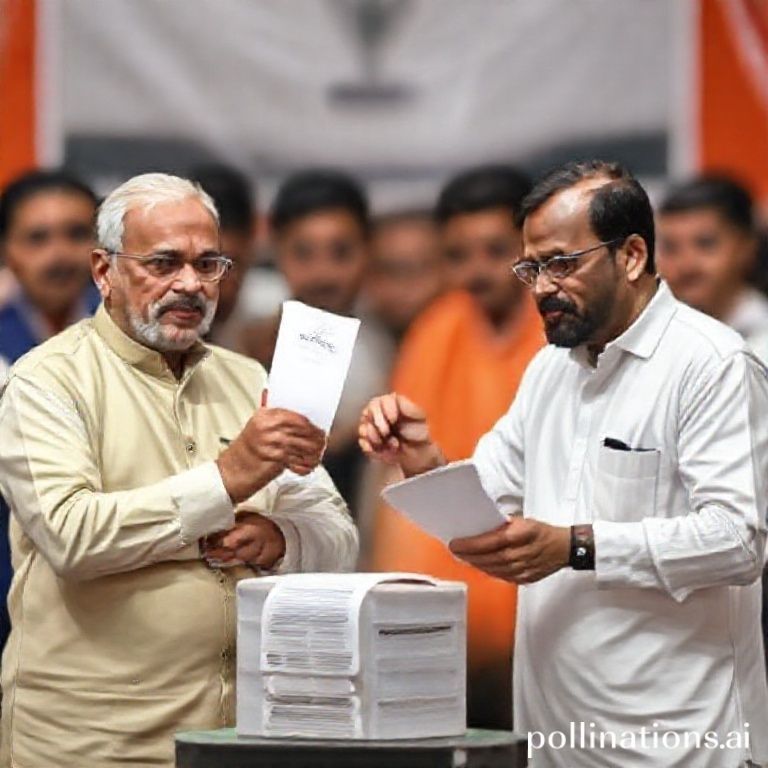
The Lok Sabha witnessed a significant confrontation on Tuesday regarding the integrity of the electoral process. The discussion centered around the counting of Voter Verified Paper Audit Trails (VVPATs) and the potential return to traditional paper ballots. This debate has sparked intense reactions from various political factions, highlighting the ongoing concerns about election transparency and voter confidence.
The issue was brought to the forefront by opposition leaders who demanded a comprehensive count of all VVPATs in the upcoming elections. They argued that this measure is essential to ensure the accuracy of electronic voting machines (EVMs). The opposition's stance is rooted in a desire to bolster public trust in the electoral process.
Opposition leaders, including prominent figures from the Congress party, voiced their concerns during the session. They emphasized that the counting of VVPATs should not be an exception but a standard practice. "If we cannot count all VVPATs, we should revert to paper ballots," one leader stated emphatically. This statement resonated with many members of the opposition, who believe that the current system lacks transparency.
The ruling party responded robustly to these claims. They defended the integrity of the EVMs and the existing counting procedures. A senior minister argued that the current system has been tested and proven effective in numerous elections. "Our electoral process is one of the most robust in the world," he asserted. The minister urged the opposition to trust the established mechanisms rather than push for a return to outdated methods.
The debate intensified as members from both sides exchanged heated remarks. The opposition accused the government of undermining democracy by resisting calls for transparency. They pointed to instances where discrepancies in vote counts raised questions about the reliability of EVMs. "We owe it to the voters to ensure that every vote is counted accurately," another opposition leader remarked.
In response, the ruling party highlighted the safeguards in place to prevent electoral fraud. They cited the various checks and balances that accompany the use of EVMs. "Our system is designed to protect the sanctity of the vote," a minister stated. The ruling party's representatives argued that reverting to paper ballots would only complicate the process and lead to delays.
The discussion also touched on the technological advancements in the electoral process. Proponents of EVMs pointed out that these machines have significantly reduced the time taken to count votes. They argued that a return to paper ballots would slow down the election process, potentially disenfranchising voters. "We must embrace technology to enhance our electoral system," one minister emphasized.
As the debate continued, the Speaker of the Lok Sabha intervened to maintain order. He urged members to focus on constructive dialogue rather than personal attacks. The Speaker acknowledged the importance of the issue at hand and encouraged a collaborative approach to finding solutions.
The session also saw contributions from various regional parties. Some leaders expressed their support for the opposition's call for VVPAT counting. They argued that ensuring transparency is crucial for maintaining public confidence in the electoral process. "We must listen to the voices of the people," one regional leader stated passionately.
In contrast, other regional parties aligned with the ruling government, emphasizing the need to uphold the current system. They argued that the focus should be on improving the existing technology rather than reverting to outdated practices. "We should invest in enhancing our EVMs, not dismantling them," a representative from a regional party asserted.
The debate highlighted the deep divisions within the Lok Sabha regarding electoral reforms. While the opposition seeks to implement changes to enhance transparency, the ruling party remains steadfast in its defense of the current system. This clash of perspectives reflects broader concerns about electoral integrity in India.
As the session drew to a close, it became clear that this issue would not be resolved easily. The opposition's demands for VVPAT counting and the ruling party's commitment to EVMs set the stage for ongoing discussions. The implications of this debate extend beyond the Lok Sabha, as public sentiment regarding electoral processes continues to evolve.
The government has indicated that it is open to discussions on electoral reforms. However, any changes to the current system will require careful consideration and consensus among all political parties. The stakes are high, as the upcoming elections will be a critical test of public confidence in the electoral process.
In the coming weeks, the Lok Sabha is expected to revisit this issue. The opposition is likely to continue pressing for VVPAT counting, while the ruling party will defend the integrity of EVMs. As this debate unfolds, it will be essential to monitor how these discussions shape the future of India's electoral landscape.
The Lok Sabha's showdown over VVPATs and paper ballots underscores the importance of transparency in elections. As political leaders grapple with these issues, the voices of the electorate remain paramount. The outcome of this debate will have lasting implications for the democratic process in India.
Source:


