Trump and the Future of India’s Nuclear Aspirations
NewsTrump and the Future of India's Nuclear Aspirations
A Critical Moment 27 Years After the Pokhran Tests
India, December 8, 2025, Monday, 2025
India, October 10, 2023, Tuesday, 2023
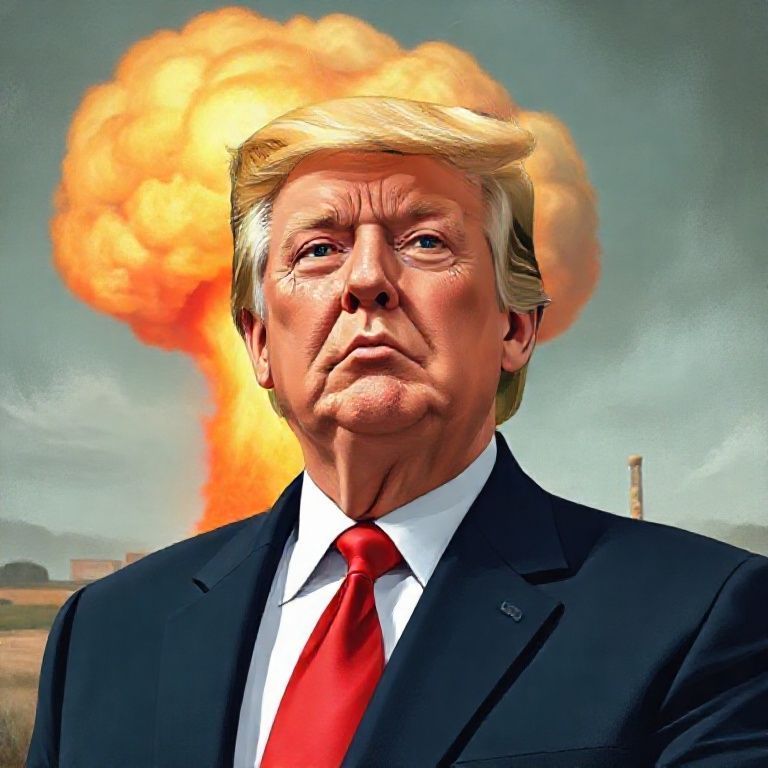
In the wake of the 27th anniversary of India's Pokhran nuclear tests, the nation finds itself at a pivotal juncture. The geopolitical landscape is shifting, and the implications of these changes could resonate deeply within India's nuclear policy. Former U.S. President Donald Trump has re-entered the political arena, and his potential influence on international relations raises questions about India's nuclear ambitions.
Historical Context
In May 1998, India conducted a series of nuclear tests in the Thar Desert, marking its entry into the exclusive club of nuclear-armed nations. These tests were a significant milestone for India, asserting its sovereignty and strategic autonomy. The tests were met with global condemnation, yet they solidified India's position in the international arena. The world watched closely as India navigated the complexities of nuclear diplomacy.
Fast forward to 2023, and the geopolitical environment has evolved dramatically. The rise of China as a global superpower and its assertive military posture in the Indo-Pacific region have prompted India to reassess its defense strategies. The ongoing tensions between India and China, particularly along their shared border, have heightened the urgency for India to bolster its military capabilities.
Trump's Return to Politics
Donald Trump’s recent announcement to run for president again has stirred discussions about U.S.-India relations. During his previous term, Trump emphasized strengthening ties with India. His administration recognized India as a key partner in countering China's influence in the region. With Trump back in the political spotlight, there is speculation about how his policies might impact India's nuclear strategy.
Trump's approach to foreign policy has often been characterized by unpredictability. His administration's focus on "America First" led to a reevaluation of alliances. However, his support for India could provide a boost to India's defense initiatives. A strong U.S.-India partnership could enhance India's deterrence capabilities against regional threats.
Nuclear Policy and Strategic Autonomy
India's nuclear policy is rooted in the principle of credible minimum deterrence. This doctrine aims to ensure that India maintains a sufficient nuclear arsenal to deter adversaries. The government has consistently emphasized that its nuclear weapons are not for aggressive purposes but rather for national security.
As India navigates its nuclear strategy, it must consider the implications of global nuclear dynamics. The Non-Proliferation Treaty (NPT) remains a contentious issue. India is not a signatory, and its nuclear tests in 1998 were a direct challenge to the NPT framework. The country has since sought to establish itself as a responsible nuclear power, advocating for disarmament while maintaining its strategic autonomy.
The Role of International Relations
India's nuclear aspirations are closely tied to its relationships with other nations. The United States, Russia, and China play pivotal roles in shaping the global nuclear landscape. India's engagement with these powers will influence its nuclear policy moving forward.
The U.S.-India Civil Nuclear Agreement, signed in 2008, marked a significant turning point in bilateral relations. This agreement allowed India to access civilian nuclear technology, bolstering its energy security. However, the complexities of nuclear diplomacy remain. India's desire for a permanent seat on the United Nations Security Council is intertwined with its nuclear status.
China's Growing Influence
China's expanding military capabilities pose a direct challenge to India. The ongoing border disputes and China's assertive posture in the South China Sea have raised alarms in New Delhi. India must carefully assess its nuclear strategy in light of these developments.
China's nuclear arsenal is significantly larger than India's. This disparity raises questions about India's deterrence capabilities. As India continues to modernize its military, it must also invest in its nuclear capabilities. The development of new missile systems and advancements in delivery mechanisms are crucial for maintaining a credible deterrent.
Regional Security Dynamics
The security environment in South Asia is complex. Pakistan, India's neighbor and rival, also possesses nuclear weapons. The India-Pakistan relationship is fraught with tension, and the potential for conflict remains a concern. India's nuclear policy must account for the possibility of a two-front war, with both Pakistan and China as adversaries.
The recent developments in Afghanistan further complicate the regional security landscape. The Taliban's resurgence has raised questions about stability in the region. India must navigate these challenges while ensuring its national security interests are protected.
Public Perception and Nuclear Policy
Public opinion plays a significant role in shaping India's nuclear policy. The Indian populace generally supports the country's nuclear program, viewing it as essential for national security. However, there are concerns about the potential consequences of nuclear escalation.
The government must balance public sentiment with the realities of international diplomacy. Engaging with civil society and fostering a dialogue on nuclear issues can help build a more informed public. Transparency in nuclear policy can also enhance India's credibility on the global stage.
Future Prospects
As India reflects on the legacy of the Pokhran tests, it must also look to the future. The evolving geopolitical landscape presents both challenges and opportunities. The potential for a renewed U.S.-India partnership under Trump could reshape the dynamics of nuclear diplomacy.
India's commitment to maintaining a credible minimum deterrent remains steadfast. However, the country must also engage in dialogue with other nuclear powers to address global disarmament efforts. The path forward will require a delicate balance between national security and international cooperation.
In this critical moment, India stands at a crossroads. The decisions made today will shape the future of its nuclear policy and its role in the global order. As the world watches, India must navigate these complexities with strategic foresight and diplomatic acumen.
Source:


