Lung Health Crisis Near Indian Mines
NewsLung Health Crisis Near Indian Mines
Research Reveals Alarming Impact on Local Communities
India, December 6, 2025, Saturday, 2025
India, October 15, 2023, Sunday, 2023
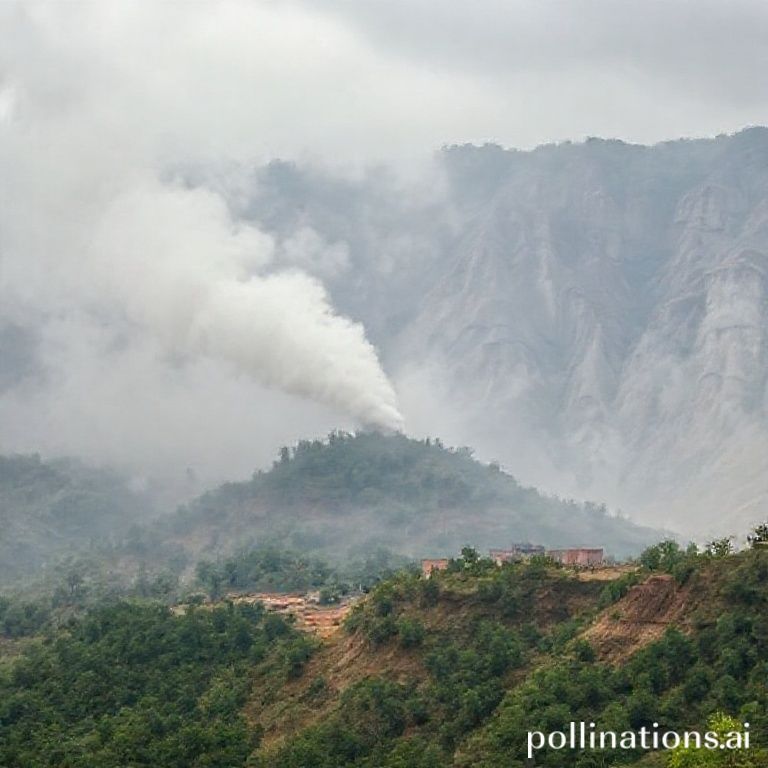
Recent studies reveal a troubling trend in neighborhoods near mining operations in India. Residents are suffering from serious lung health issues linked to their proximity to these sites. The findings highlight the dangers not only faced by workers but also by families living nearby.
Health Risks from Mining Operations
Mining activities release dust and heavy metals into the air. This pollution poses significant health risks to those who live close to these operations. Research indicates that residents are experiencing abnormal lung function. Symptoms include persistent cough, shortness of breath, and fatigue.
Children are particularly vulnerable. Studies show that even young children living near mines exhibit signs of lung damage. This alarming trend raises concerns about the long-term health of future generations.
Heavy Metal Exposure
In addition to respiratory issues, residents are exposed to heavy metals. These toxic substances can accumulate in the body over time, leading to serious health complications. Common heavy metals found in mining areas include lead, arsenic, and cadmium.
Exposure to these metals can result in neurological damage, developmental delays in children, and increased risk of cancer. The presence of heavy metals in the environment is a pressing issue that demands immediate attention.
Dust Pollution and Its Effects
Dust pollution is a significant contributor to lung health problems in mining communities. The fine particles released during mining operations can travel long distances. When inhaled, these particles can cause inflammation and scarring in the lungs.
Research indicates that residents living within a few kilometers of mines have higher rates of respiratory diseases. The dust not only affects adults but also poses serious risks to children’s developing lungs.
Community Health Initiatives
In response to these health concerns, some communities are taking action. Local health organizations are working to raise awareness about the dangers of living near mines. They are conducting health screenings and providing education on preventive measures.
Residents are encouraged to wear masks and limit outdoor activities during high dust days. Additionally, community leaders are advocating for stricter regulations on mining operations. They seek to hold companies accountable for the environmental and health impacts of their activities.
Government Response
The Indian government has acknowledged the health risks associated with mining. However, enforcement of regulations remains inconsistent. Many mining companies operate with minimal oversight, leading to ongoing pollution issues.
Efforts to improve air quality in mining regions are underway. The government is exploring options such as dust suppression techniques and reforestation projects. These initiatives aim to mitigate the impact of mining on local communities.
The Role of NGOs
Non-governmental organizations (NGOs) play a crucial role in addressing these health issues. They provide support to affected families and advocate for policy changes. NGOs are also involved in research efforts to better understand the health impacts of mining.
By collaborating with local communities, these organizations aim to empower residents. They provide resources and information to help families protect their health.
Long-Term Health Monitoring
Ongoing health monitoring is essential for understanding the full impact of mining on local populations. Researchers are calling for long-term studies to track the health of residents over time. This data will be vital in shaping future policies and interventions.
Health professionals emphasize the importance of early detection and treatment of lung diseases. Regular check-ups can help identify issues before they become severe.
Public Awareness Campaigns
Raising public awareness about the health risks associated with mining is critical. Campaigns aimed at educating residents can lead to better health outcomes. Information about the dangers of dust and heavy metal exposure should be widely disseminated.
Community meetings and workshops can serve as platforms for sharing knowledge. Engaging local leaders in these efforts can enhance their effectiveness.
The Need for Sustainable Practices
Sustainable mining practices are essential to protect both the environment and public health. Companies must adopt methods that minimize dust and pollution. This includes using advanced technology and adhering to environmental regulations.
Investing in cleaner technologies can reduce the health risks associated with mining. Companies that prioritize sustainability can contribute to healthier communities.
Future Research Directions
Future research should focus on the long-term health effects of living near mines. Understanding the full scope of these impacts will help inform policy decisions. Researchers should also explore the effectiveness of various interventions.
Collaboration between scientists, health professionals, and community members is vital. This partnership can lead to innovative solutions to mitigate health risks.
In summary, the health crisis faced by communities near Indian mines is alarming. The evidence of lung damage and heavy metal exposure is clear. Immediate action is necessary to protect the health of residents and ensure a safer environment for future generations.
Source:


