Parliament Winter Session Opens Amidst Controversy and Disruption
NewsParliament Winter Session Opens Amidst Controversy and Disruption
Air Quality and Electoral Reforms Spark Tensions in Legislative Assembly
India, December 4, 2025, Thursday, 2025
India, November 20, 2023, Monday, 2023
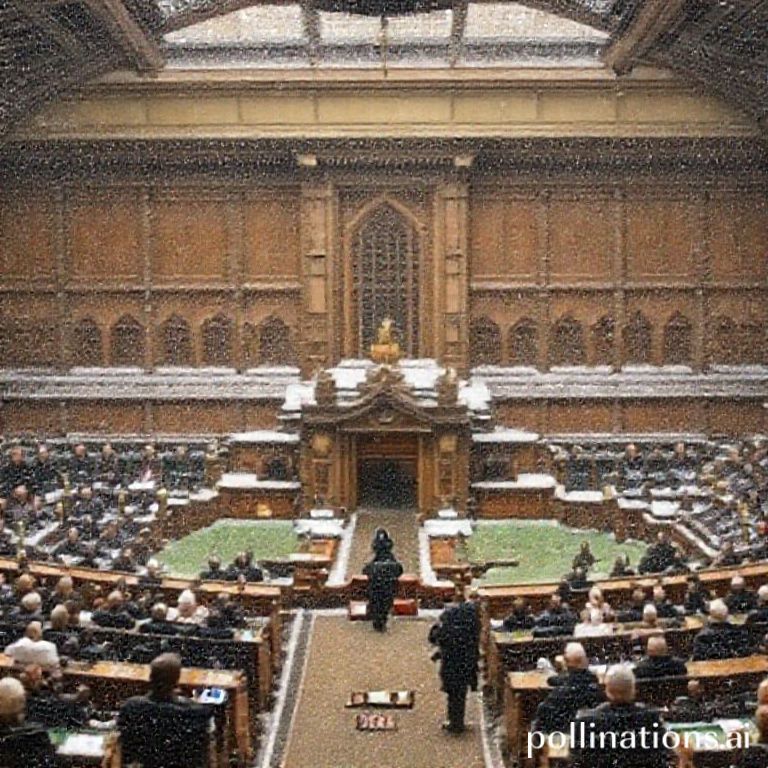
The Winter Session of Parliament has officially begun, but not without significant disruptions. The opening day was marked by intense debates surrounding Delhi's deteriorating air quality and contentious electoral roll revisions. Opposition parties voiced their concerns, leading to multiple walkouts and heated exchanges.
Disruptions Over Air Quality
The air quality in Delhi has reached alarming levels, prompting urgent calls for action from various political factions. The opposition demanded immediate discussions on the government's plans to tackle pollution. They criticized the administration for its perceived inaction and failure to implement effective measures. As the session commenced, the atmosphere was charged with tension. Members of the opposition raised slogans and staged protests within the Parliament premises.
The ruling party attempted to steer the focus towards legislative business. However, the opposition's insistence on addressing the air quality crisis led to a chaotic start. The Speaker struggled to maintain order as members shouted over one another. This disruption set the tone for what many anticipate will be a stormy session.
Electoral Roll Revisions Under Fire
In addition to environmental concerns, the opposition also targeted the government's electoral roll revisions. They argued that the changes could disenfranchise voters and undermine the democratic process. The demand for a thorough debate on this issue was met with resistance from the ruling party, which accused the opposition of politicizing the matter.
The electoral roll revisions are part of a broader push for electoral reforms. The government aims to streamline the process and enhance transparency. However, the opposition remains skeptical, fearing that these changes could lead to manipulation. The clash over this issue escalated quickly, resulting in further walkouts from opposition members.
Key Legislative Proposals
Despite the disruptions, the government has outlined several key legislative proposals for the session. Among these is a significant increase in Foreign Direct Investment (FDI) in the insurance sector. This move is seen as a way to attract more international capital and boost the economy. Proponents argue that it will enhance competition and improve services for consumers.
Another proposal on the table is the introduction of new tax structures for tobacco products. The government aims to raise revenue while simultaneously addressing public health concerns. This initiative has garnered mixed reactions, with some supporting the health benefits and others warning about potential job losses in the tobacco industry.
Additionally, the government plans to consolidate various securities laws. This effort aims to simplify regulations and create a more investor-friendly environment. The ruling party believes that these changes will stimulate economic growth and enhance investor confidence.
Truce on Election Reforms
Amidst the chaos, a tentative truce was reached regarding the debate on election reforms. Both sides agreed to discuss the Special Intensive Revision of electoral rolls. This agreement came after prolonged negotiations and pressure from various stakeholders. The ruling party expressed its willingness to engage in dialogue, while the opposition acknowledged the need for reforms.
This development marks a crucial step towards addressing the concerns raised by the opposition. It also reflects the government's recognition of the importance of maintaining democratic integrity. The discussions are expected to focus on enhancing voter access and ensuring fair representation.
Anticipated Challenges Ahead
As the Winter Session progresses, several challenges loom on the horizon. The ongoing tensions between the ruling party and the opposition are likely to escalate. With critical issues such as air quality and electoral reforms at the forefront, lawmakers will need to navigate a complex landscape.
The opposition is expected to continue its aggressive stance, demanding accountability and transparency from the government. This could lead to further disruptions and walkouts, complicating the legislative process. The ruling party, on the other hand, will need to balance its agenda with the need for cooperation.
Public Sentiment and Political Pressure
Public sentiment regarding air quality and electoral reforms is palpable. Citizens are increasingly vocal about their concerns, putting pressure on lawmakers to act decisively. The government faces scrutiny over its handling of pollution, with many calling for immediate and effective solutions.
In the realm of electoral reforms, voters are keenly aware of the implications of proposed changes. The potential for disenfranchisement has raised alarms among various groups. Lawmakers must consider these sentiments as they engage in discussions and debates.
The Winter Session is poised to be a critical period for Indian politics. With pressing issues at stake, the actions taken by lawmakers will have lasting implications. The balance between legislative progress and public accountability will be tested in the coming weeks.
As the session unfolds, all eyes will be on Parliament. The outcomes of these debates will shape the future of governance in India. The stakes are high, and the pressure is mounting for both the ruling party and the opposition.
Source:


